The Cajuns and the Creoles: Who are they?
People often confuse Cajun and Creole, but they represent distinct cultures with different histories and culinary traditions. The word Creole comes from the Spanish criollo, meaning “local” or “native.” In the early days of New Orleans, Creole generally referred to New World French settlers and the urban commercial classes who established themselves in the French Quarter. Today in Louisiana, Creole often describes people of mixed heritage, including French colonial, African, and Native American ancestry.

The term Cajun derives from les Cadiens, or the Acadians. The Acadians were French settlers from the colony of Acadia in present-day Nova Scotia who were expelled by the British in the 1700s. Many resettled in Louisiana after receiving land grants from the French crown, establishing communities in the bayous south and west of New Orleans.
Although both groups share French roots, Cajuns and Creoles developed different cultures, social roles, and cuisines shaped by their environments and histories.
What are the main differences in Cajun and Creole food?
Cajun cuisine is often called “country food.” Living in rural bayou country, Cajuns relied on local, seasonal ingredients and used every part of the animals they hunted, trapped, or raised. Their dishes reflect practicality and rustic flavors born of necessity.
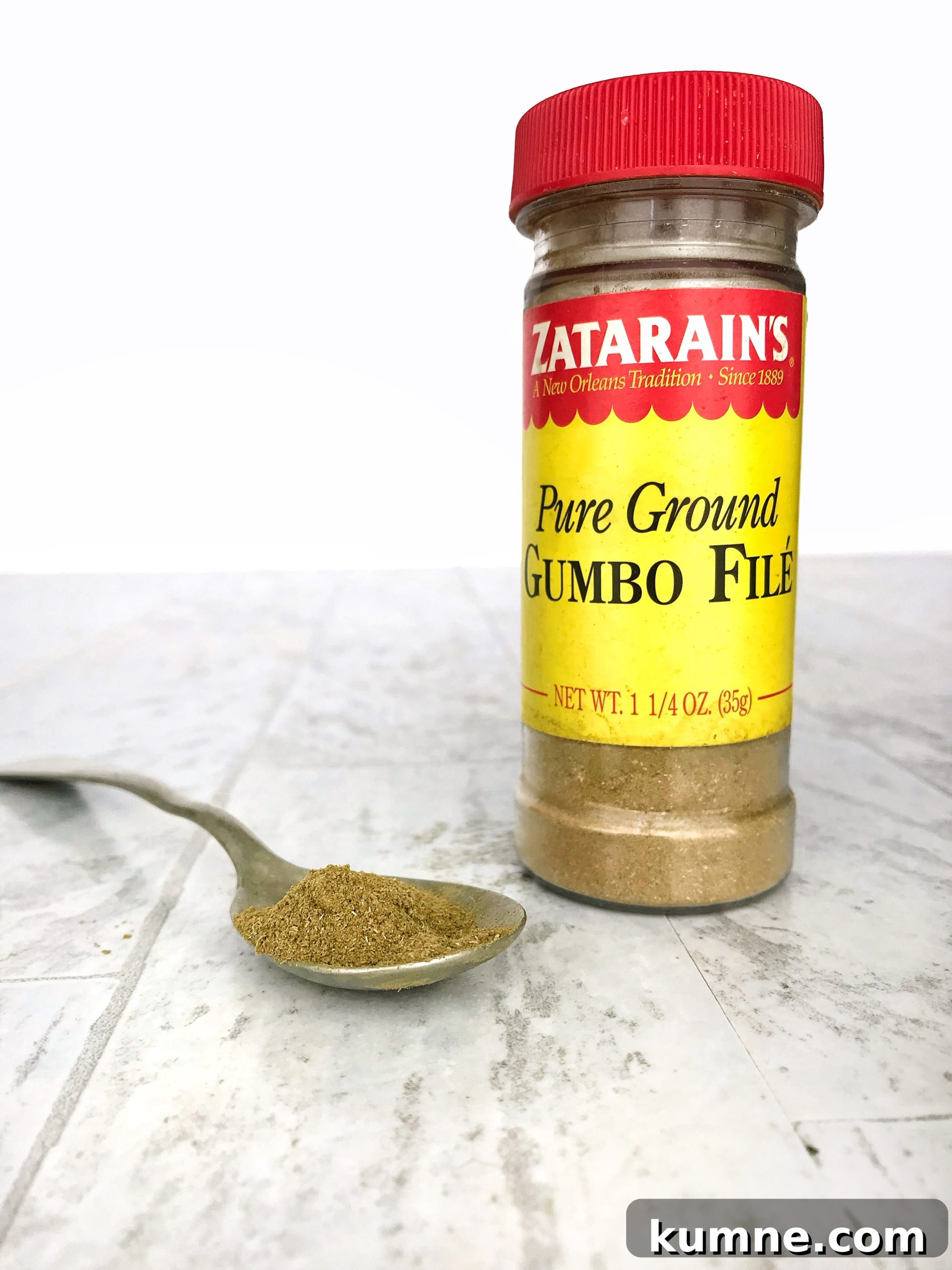
Creole cooking, by contrast, is “city food.” New Orleans’ urban environment exposed Creole cooks to a broader range of influences and ingredients: Spanish, French, German, African, Caribbean, and Native American traditions all contributed to Creole flavors. For example, the Choctaw introduced file powder (ground sassafras leaves), a classic gumbo thickener and flavoring. Creole kitchens had better access to imported and luxury ingredients, which is why you see tomatoes in many Creole dishes but rarely in traditional Cajun plates. Likewise, Creole roux is often made with butter, a luxury item that rural Cajun cooks typically could not afford, who more commonly used oil or animal fat.
What do Cajun and Creole cooking have in common?
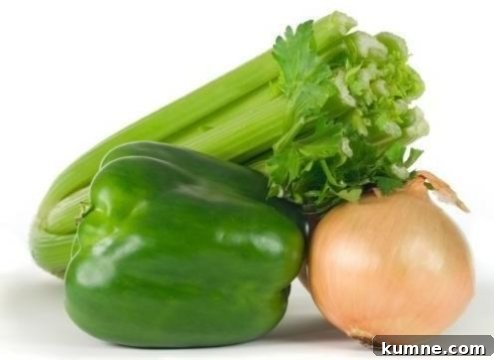
Both cuisines share a foundational flavor base known as the “holy trinity”: onion, celery, and bell pepper. This Louisiana variation of the French mirepoix (onion, celery, carrot) is central to many regional dishes.
Another misconception is that both styles are defined by extreme heat. While Cajun food tends to be spicier, both cuisines emphasize bold, well-balanced seasoning rather than simply being overwhelmingly hot.
Both traditions also favor stews, rice dishes, and techniques that make the most of available ingredients, resulting in deep, layered flavors whether in a rustic Cajun gumbo or a refined Creole étouffée.
If you want to explore these flavors at home, try a Creole-style gumbo or practice making a proper roux—two great ways to taste the distinctions and the shared roots of Cajun and Creole cooking.
Try other Southern favorites
- Shrimp & Artichoke Bisque
- Traditional Mardi Gras King Cake
- White Chocolate Raspberry Bread Pudding
Don’t forget to save this article for later and follow your favorite recipe boards on Pinterest.
Join community pages on social platforms to share recipes, ask questions, and post photos of your dishes.