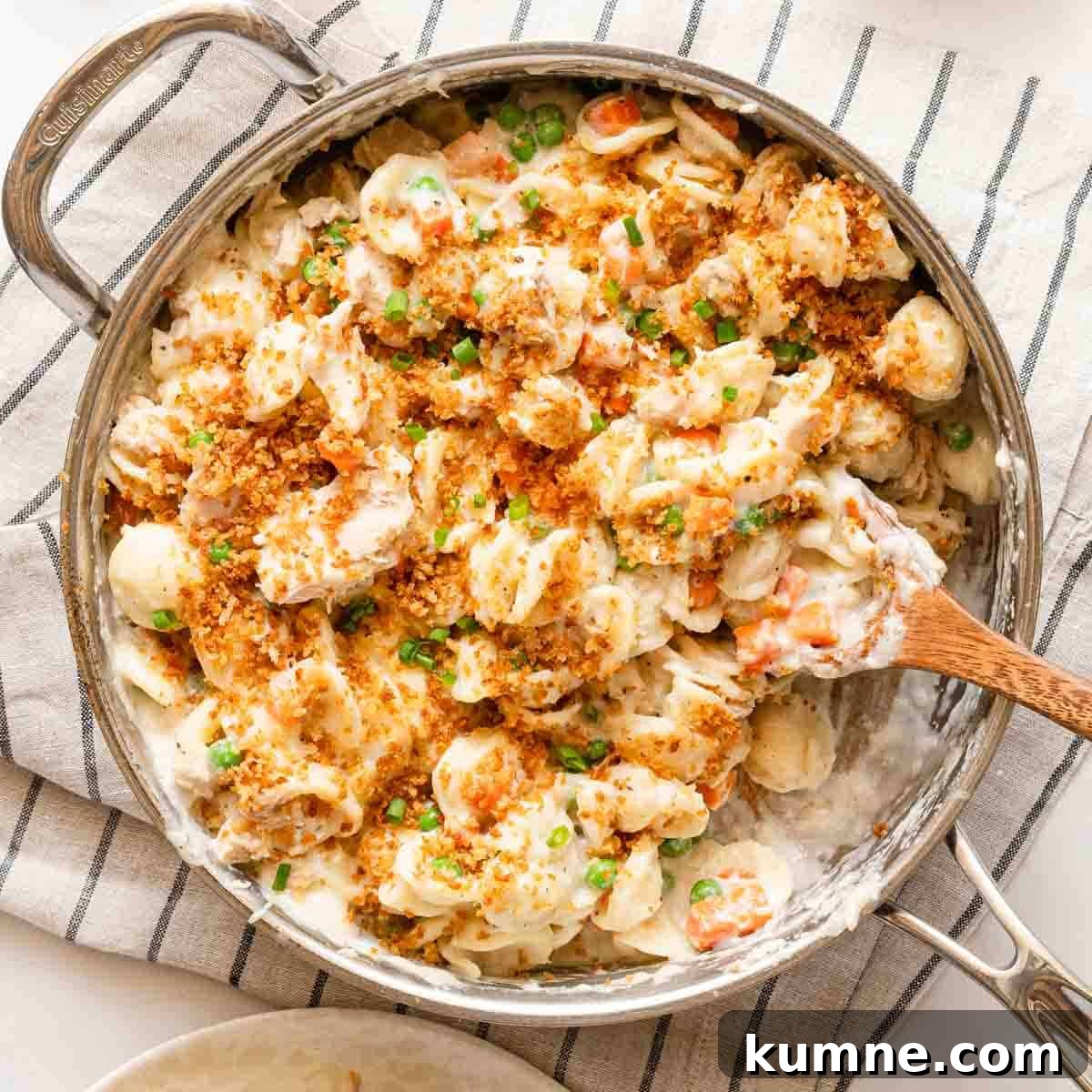
Tuna noodle casserole is the comfort food you know and love. This easy one‑pan stovetop version lets you make it in about 30 minutes without heating the oven. It’s made from scratch—no canned soup required.
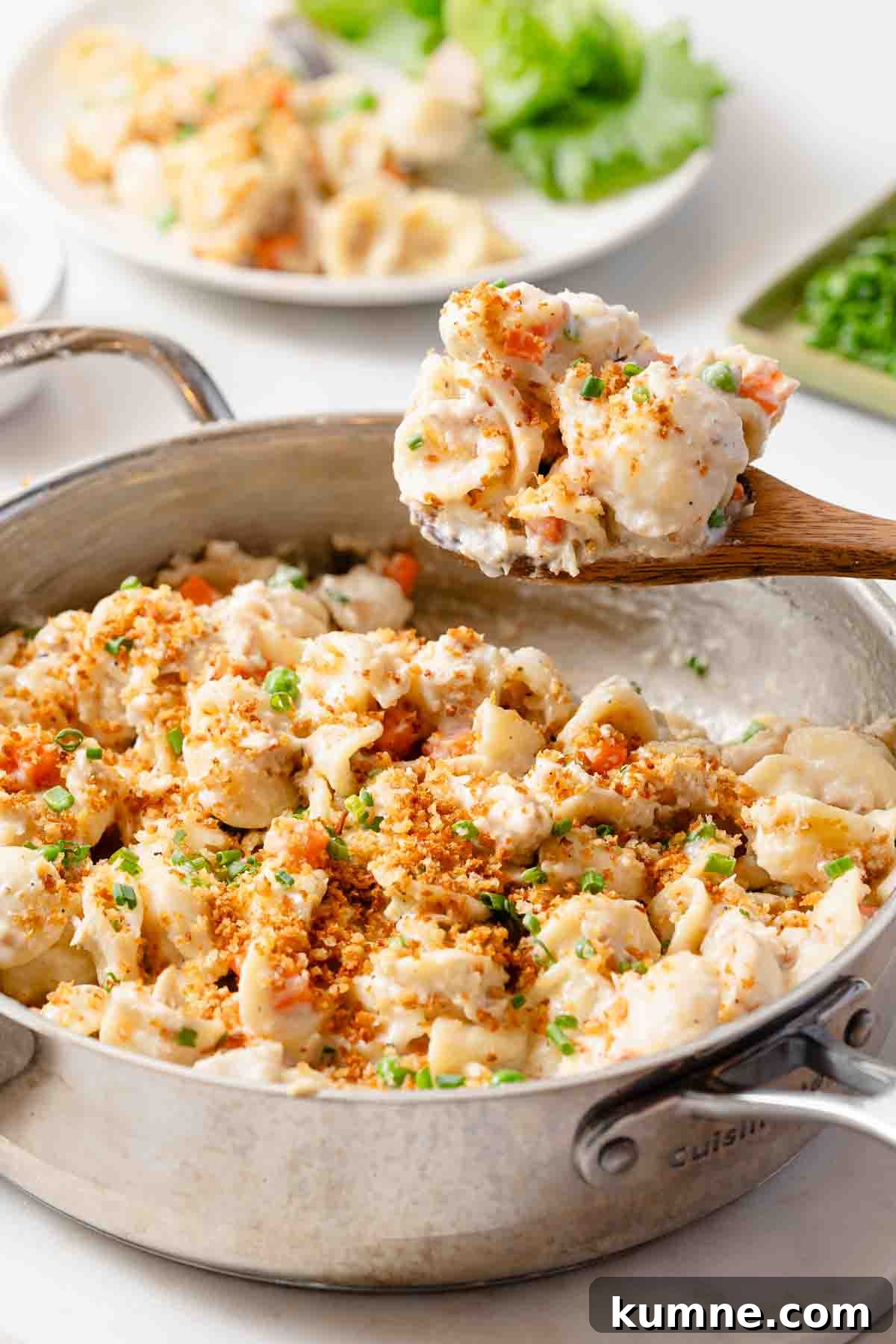
Note: this post was originally published in 2020. It was updated in 2025 to become a one‑pot recipe, and new photos were added.
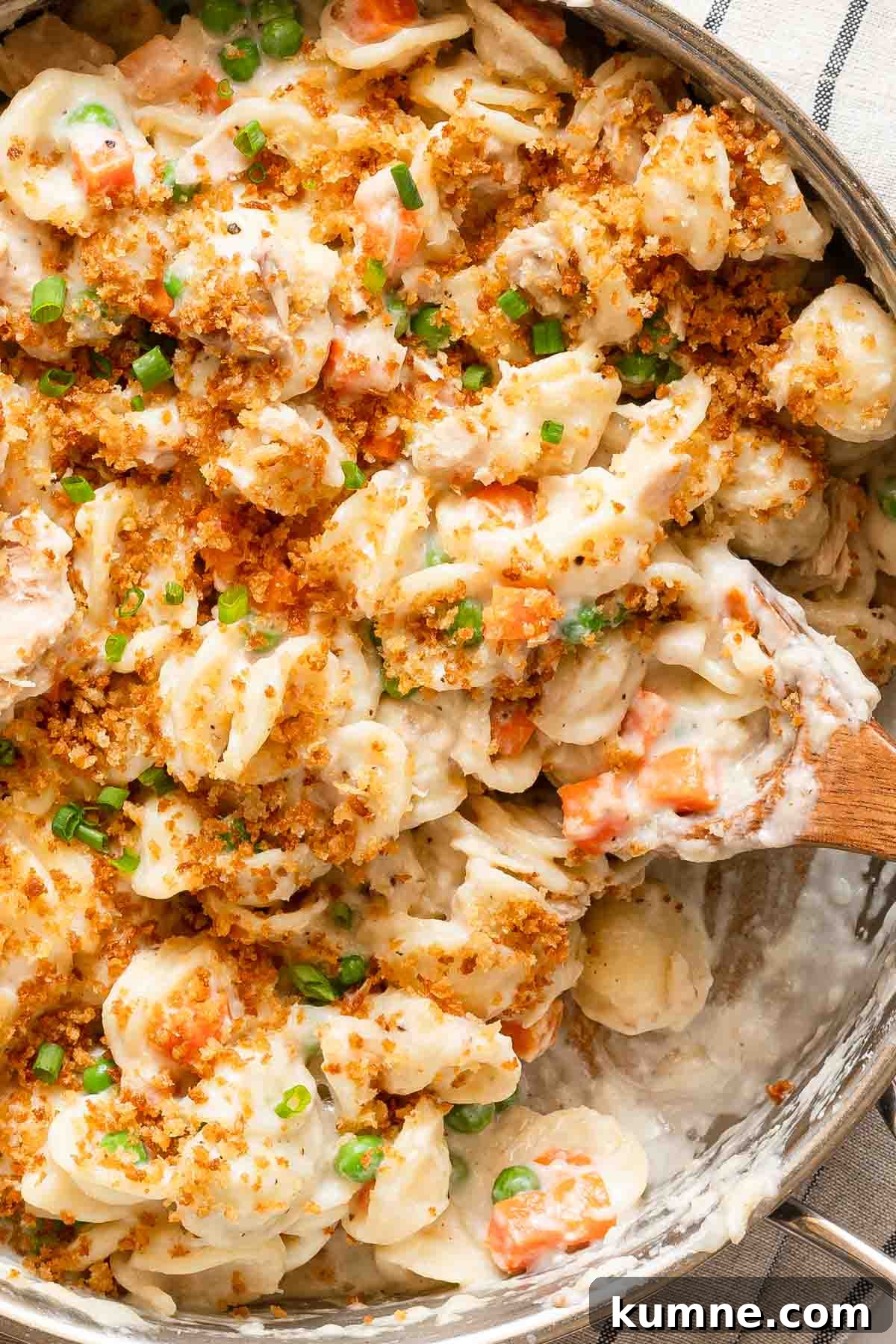
Tuna noodle casserole is a quintessential comfort dish: tender pasta, a creamy, cheesy sauce, flaky tuna, and a bit of vegetable, finished with a buttery, crisp breadcrumb topping. This stovetop version streamlines the process so you can enjoy the classic flavors any night of the week with minimal fuss and only one pan to wash.
Because this recipe is made from scratch—no condensed soup—it tastes homemade and fresh. It’s quick to pull together, hearty, and family‑friendly. If you want to make a cozy dinner on a random weekday, this stovetop tuna casserole is a perfect choice.
Ingredients
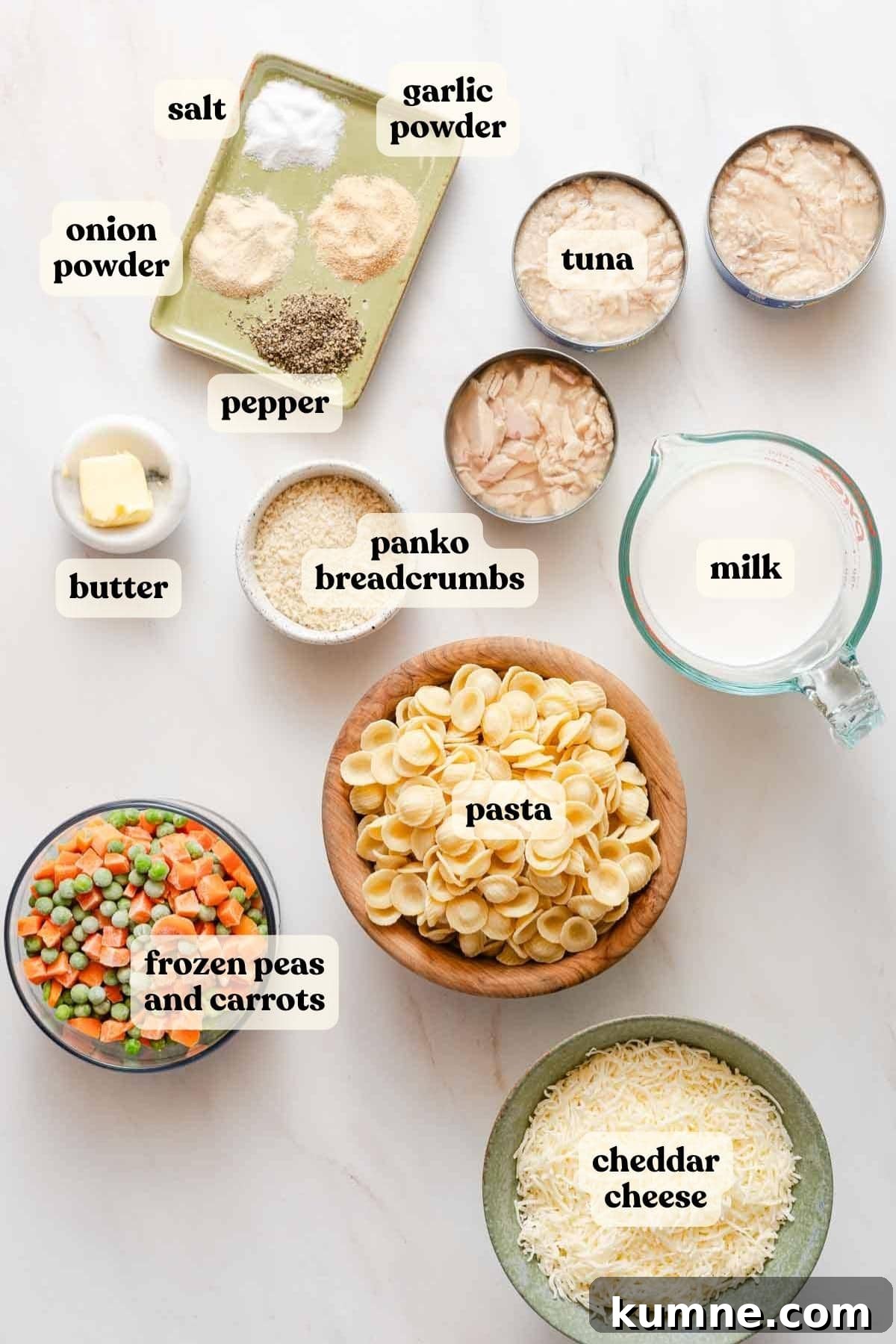
Ingredient notes
- Pasta: Use any short pasta shape that cooks in about 9–11 minutes (fusilli, shells, orecchiette, etc.). Bronze‑cut pasta is ideal because its rougher texture helps the sauce cling and releases more starch into the cooking liquid, creating a creamier result.
- Canned tuna: Solid white albacore gives larger flakes and a meatier texture, but chunk light tuna works well too—just be sure to drain it thoroughly.
- Milk: Whole milk adds the most richness, but 2% will also work.
Step by step photos
Here’s a quick visual guide to making this one‑pot stovetop tuna casserole.
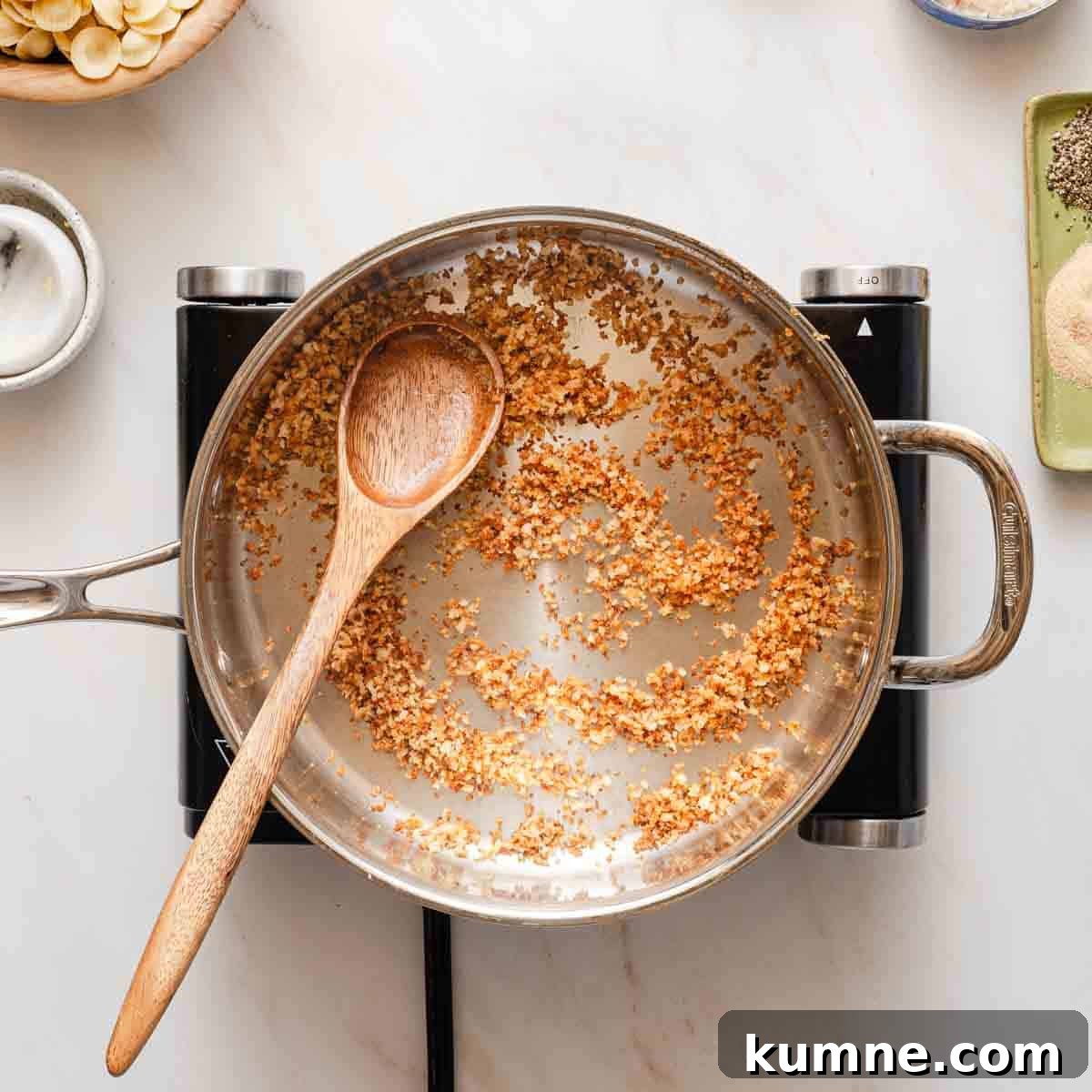
1. Toast panko in butter with a pinch of salt until golden, then set aside.
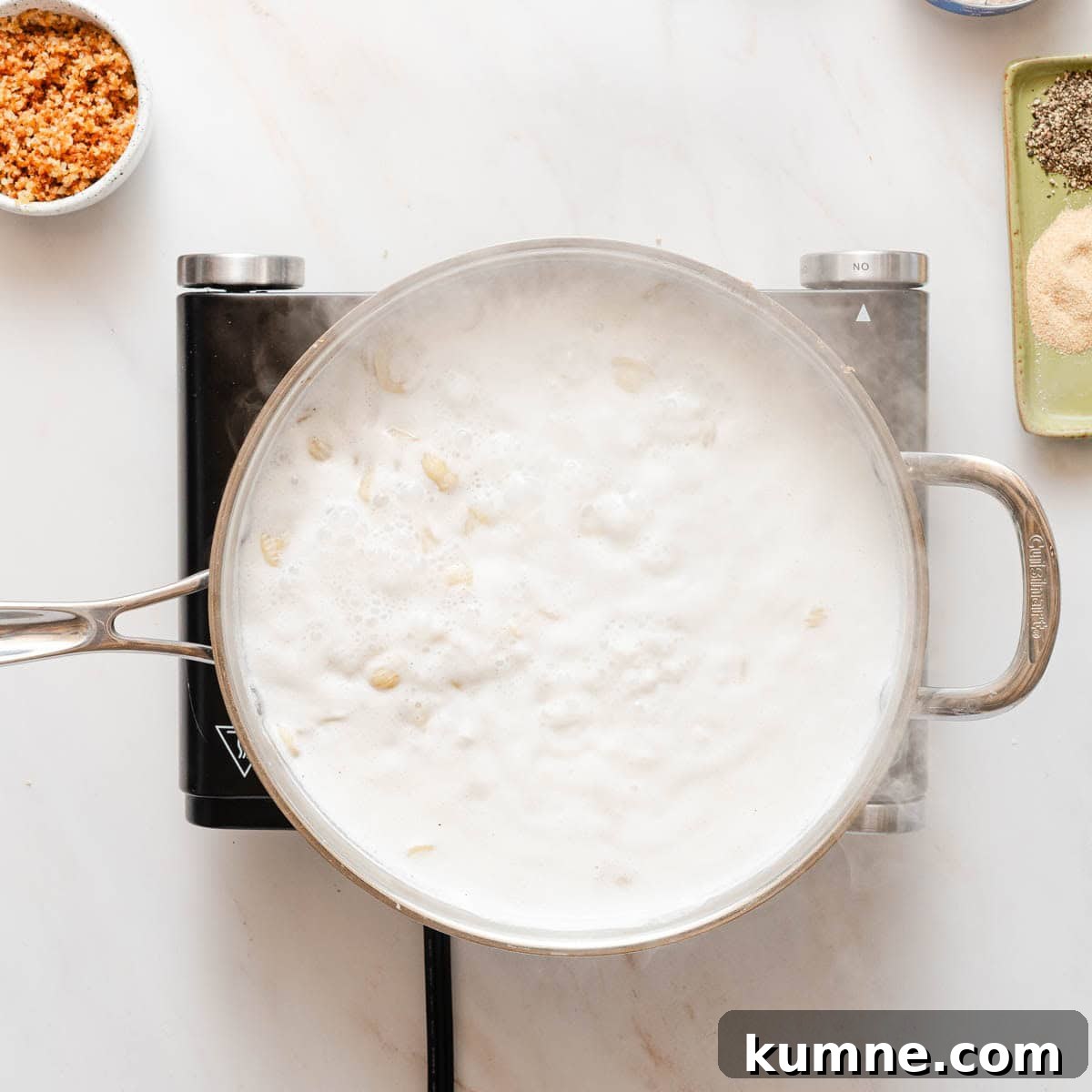
2. In the same pan, combine milk, water, salt and pasta. Bring to a gentle boil and maintain a simmer while the pasta cooks.
Top Tip
This recipe works especially well in a sauté pan (wide, flat bottom with straight sides about 3–5 inches tall). The lower, straight sides help the liquid evaporate evenly and make stirring easier. A large pot will work if you don’t have a sauté pan.
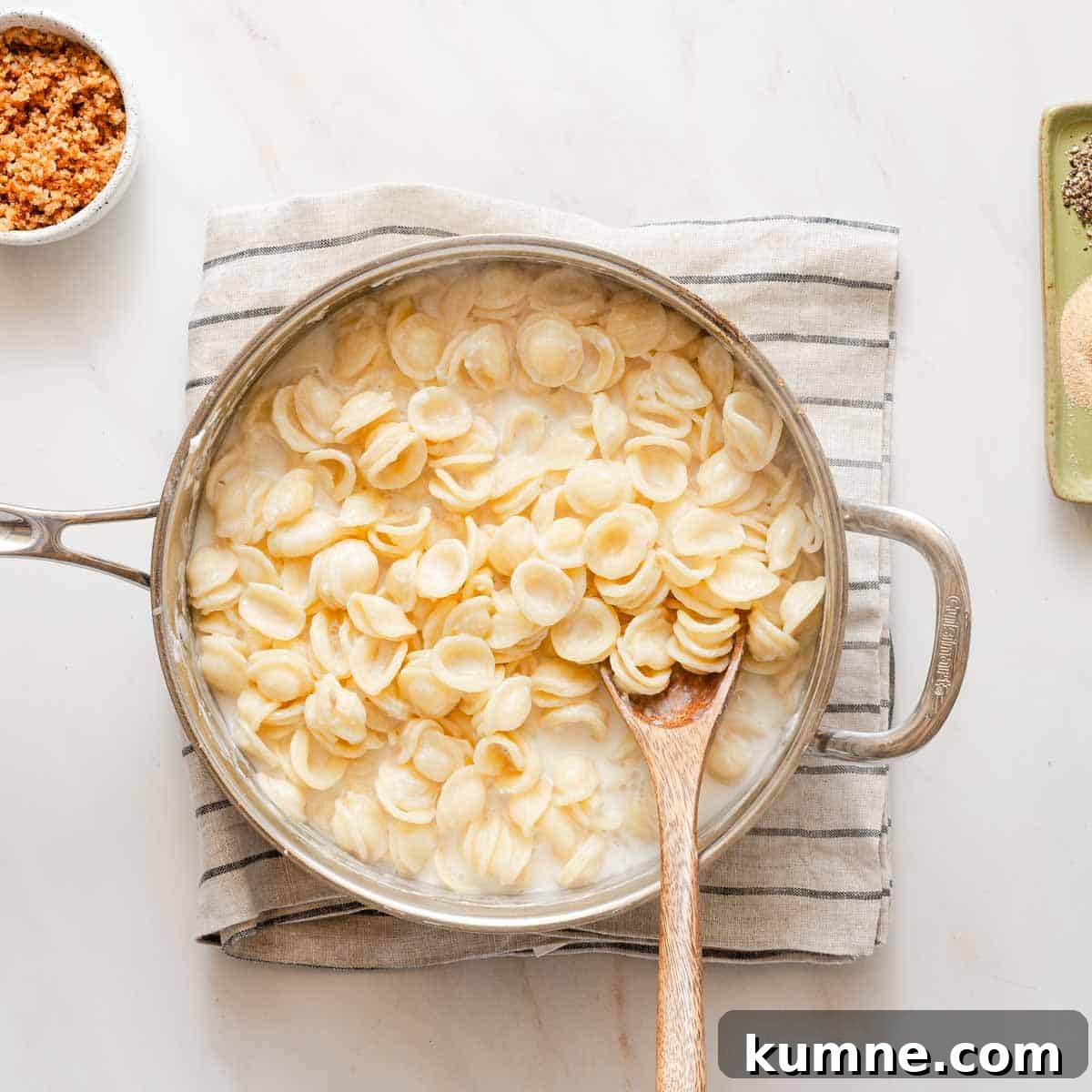
3. Simmer the pasta until tender. Aim to have about 1½ cups of liquid remaining; then turn off the heat.
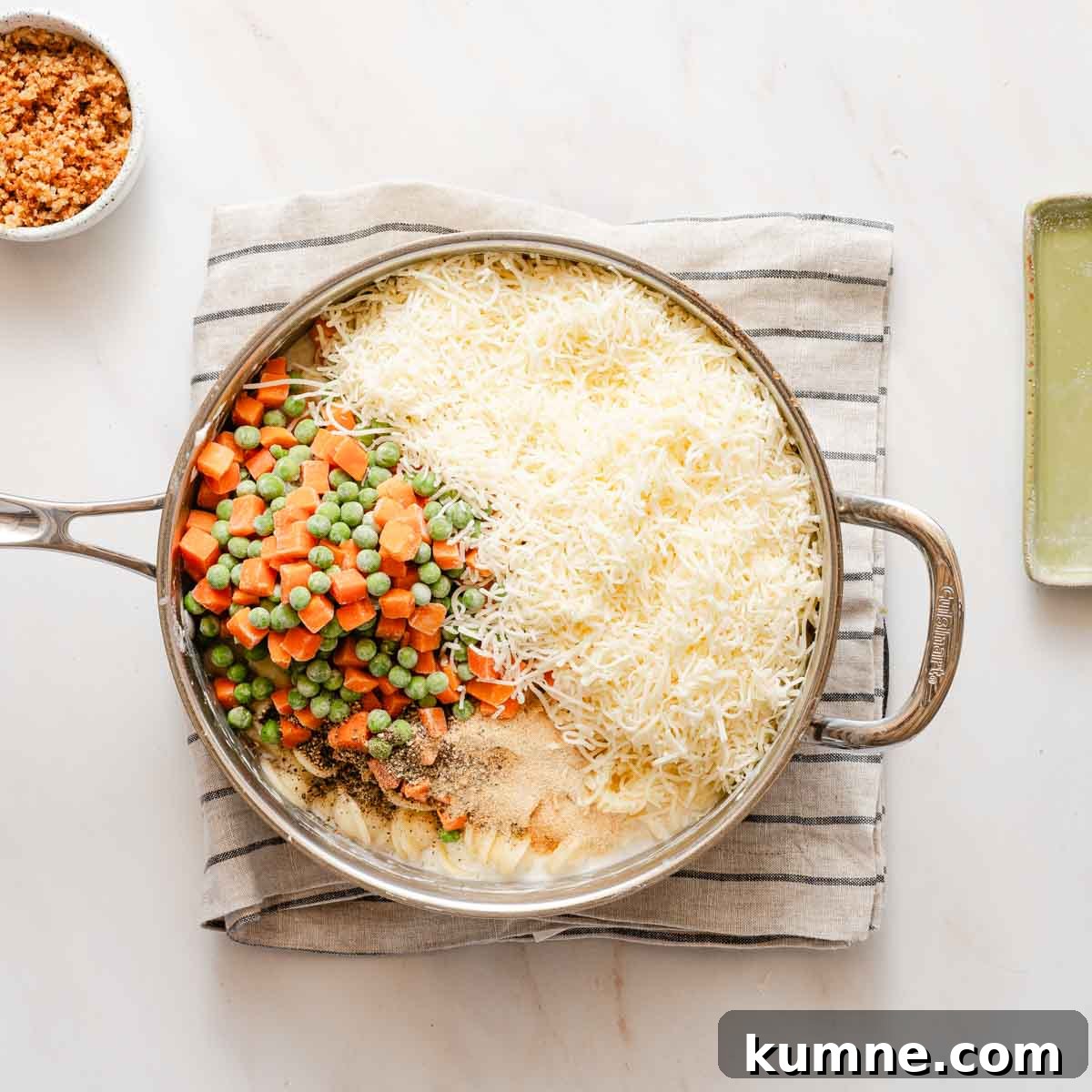
4. Stir in frozen vegetables, shredded cheddar, and seasonings; the residual heat will thaw the veggies and melt the cheese.
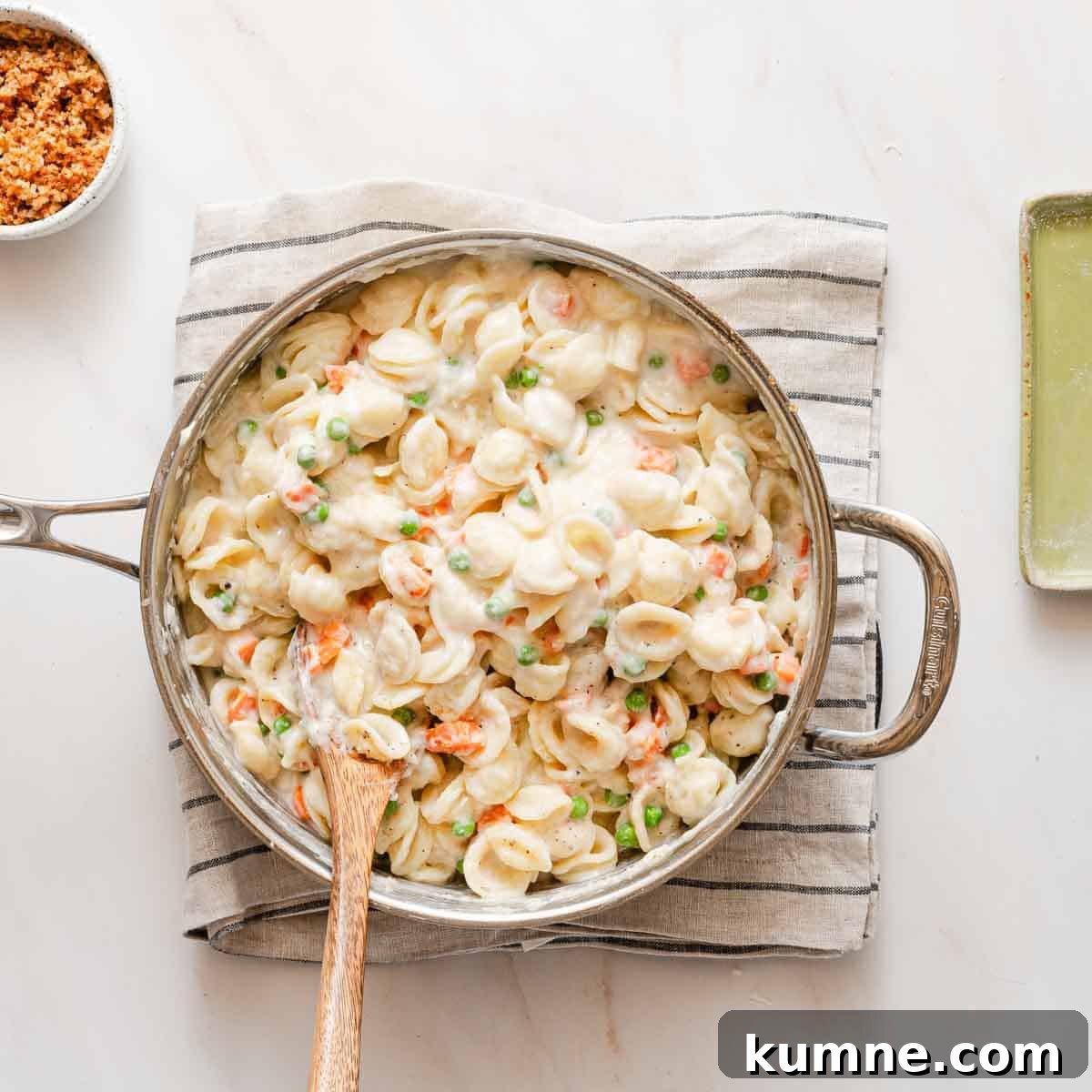
5. Mix everything together until combined; the heat will finish cooking and melding the flavors.
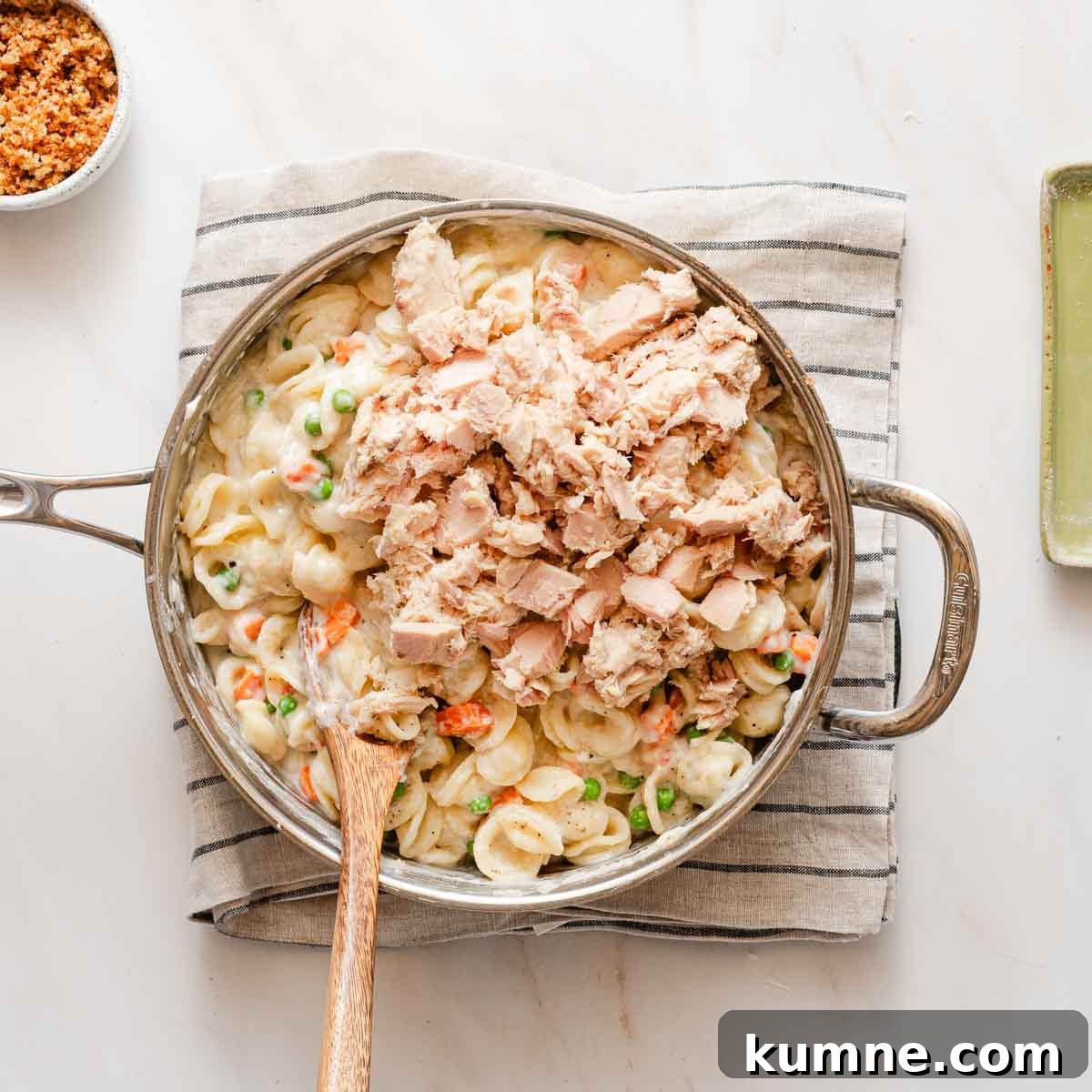
6. Fold in the drained tuna gently so it remains in nice flakes.
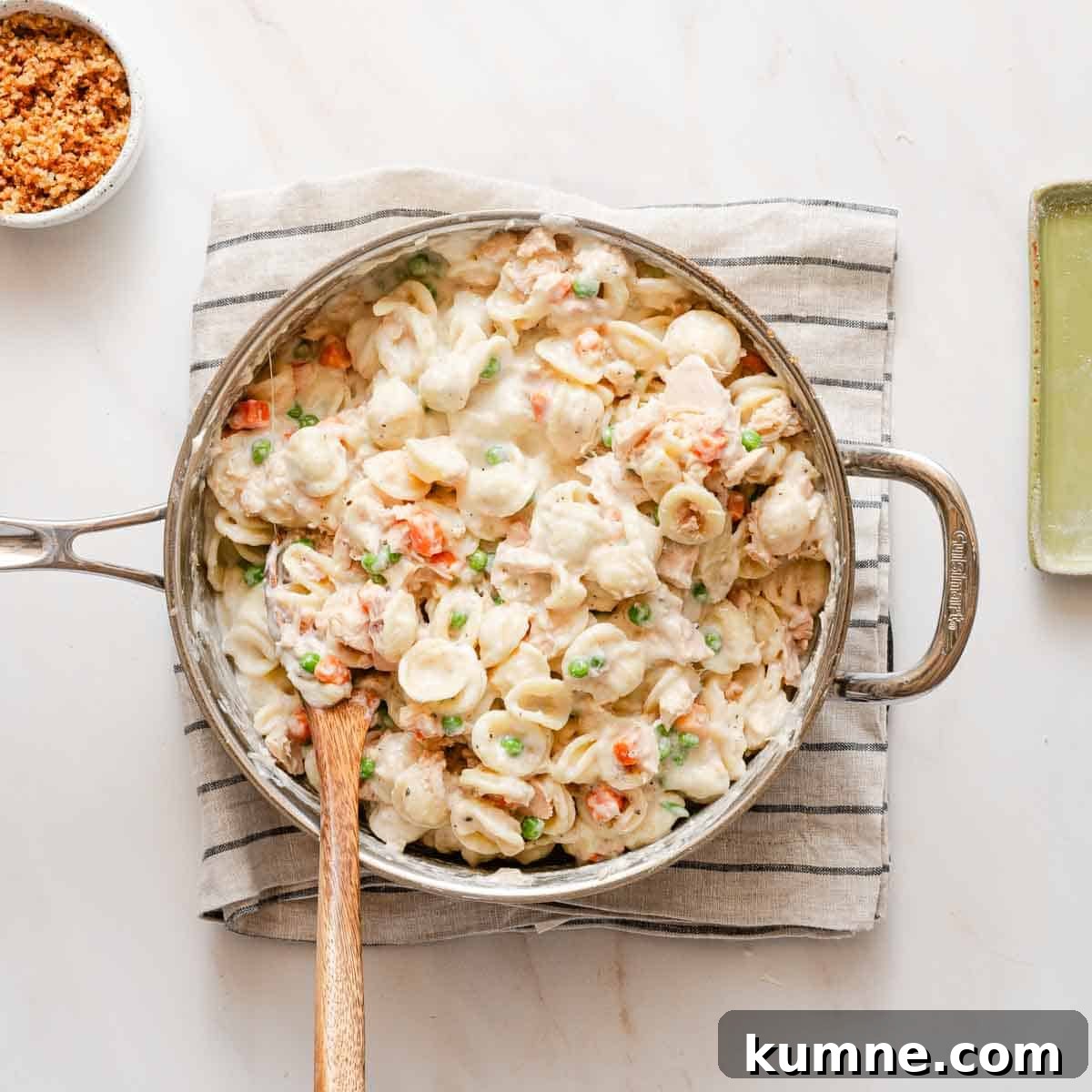
7. Gently combine tuna with the pasta so the fish holds together.
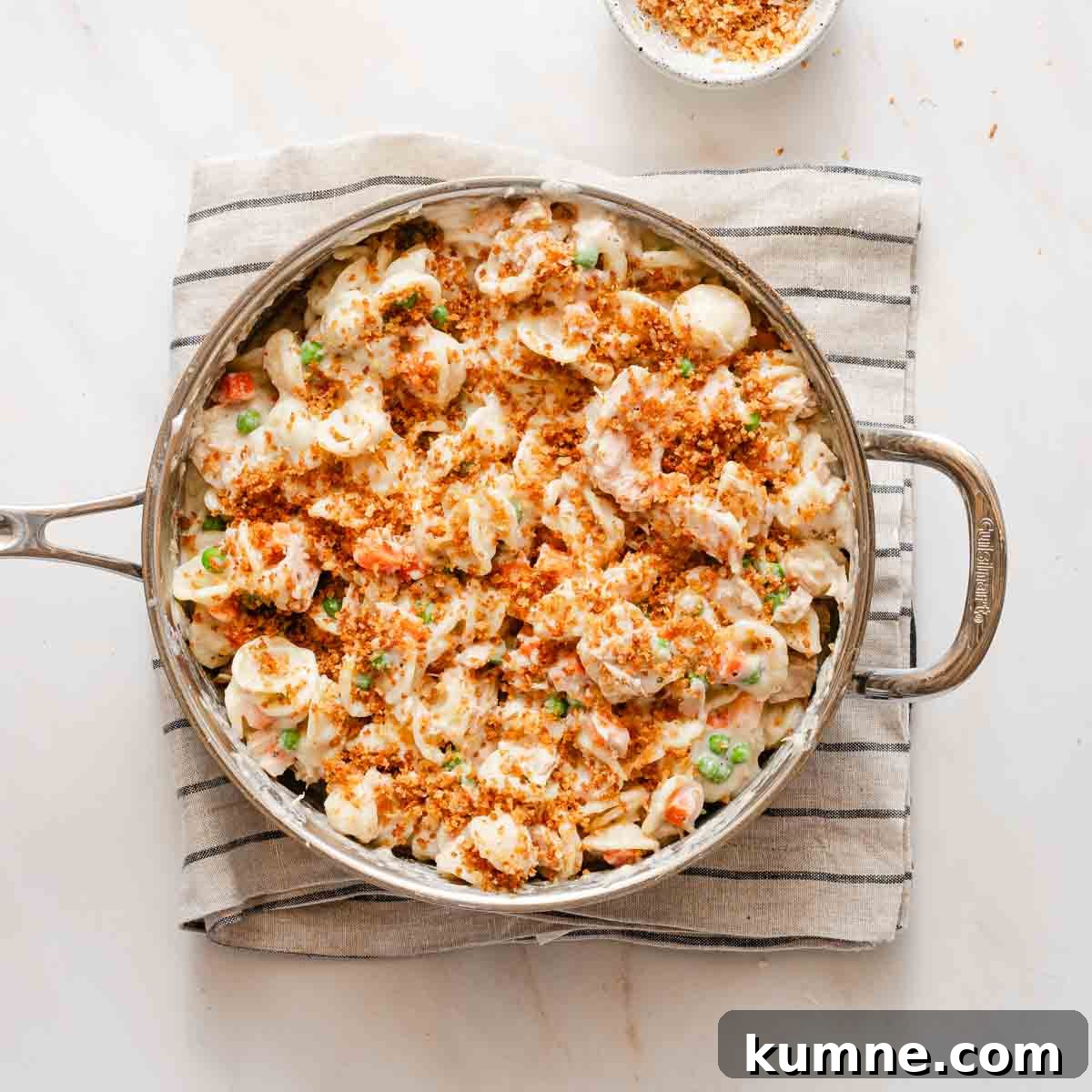
8. Sprinkle the reserved toasted panko over the top and serve immediately.
Tips and tricks
- Drain canned tuna thoroughly—especially chunk light varieties that can be watery—so the sauce doesn’t become diluted.
- Bronze‑cut pasta enhances texture and helps build a creamier sauce because it releases more starch while cooking.
- If the sauce thickens too much as the casserole rests, stir in a splash of milk to loosen it before reheating or serving.
Substitution and addition ideas
This stovetop casserole is flexible—feel free to swap ingredients based on what you have:
- Swap tuna for canned salmon, canned chicken, or diced ham.
- Use other frozen veggies such as peas alone, spinach, or mixed vegetables instead of peas and carrots.
- Canned vegetables are acceptable if drained well.
- No panko? Tear about 1 cup of day‑old bread into small pieces and toast, or sprinkle crushed potato chips for a crunchy topping.
Storage and reheating
- Store leftovers in a covered container in the refrigerator for 3–4 days.
- Reheat single portions in the microwave for 1–2 minutes on high, stirring once partway through.
- Or warm leftovers in a small saucepan over low heat with a splash of milk, stirring occasionally until heated through.
Recipe FAQs
Yes—you can freeze this casserole for up to three months. Because it contains milk and cheese, the sauce may separate slightly after thawing. For best results, thaw overnight in the fridge and warm gently on the stovetop over low heat or in the microwave at reduced power. Add a splash of milk if needed to restore creaminess.
Choose a short pasta that cooks in about 9–11 minutes for this method. Many typical egg noodles finish too quickly for the one‑pot liquid reduction used here, but some wide egg noodles that take longer will work. Bronze‑cut pasta is recommended for better sauce adhesion and a creamier finish.
Taste and adjust seasoning: add more salt first, then pepper, extra cheese, or a pinch more garlic or onion powder. A dash of cayenne or a few drops of hot sauce can brighten the dish if you like some heat.
What to serve with tuna casserole:
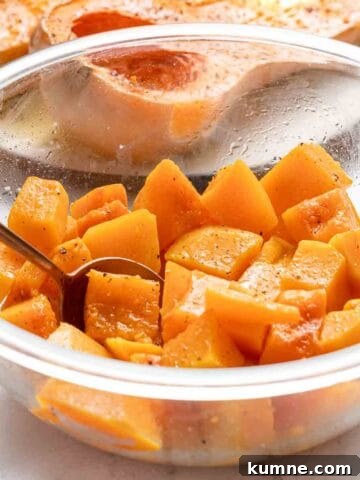
-
Microwave Butternut Squash
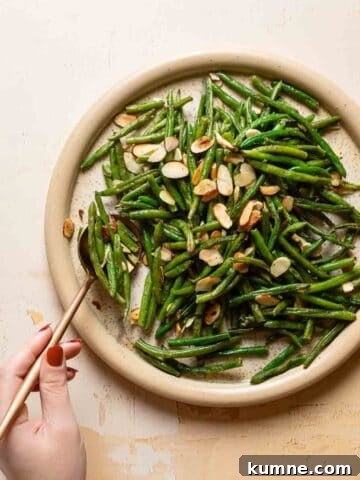
-
Air Fryer Frozen Green Beans
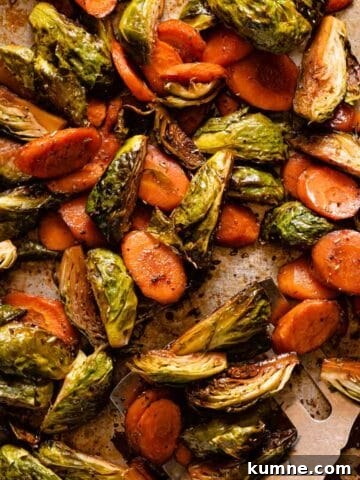
-
Roasted Brussels Sprouts and Carrots
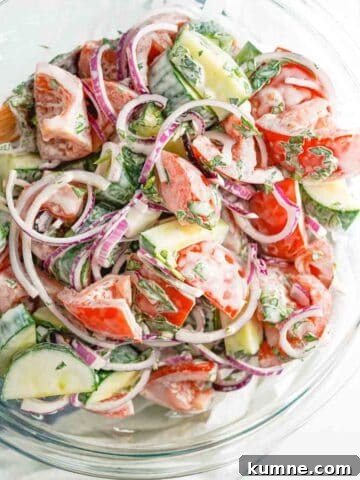
-
Creamy Cucumber Tomato Salad
If you try this recipe, please leave a rating or review—feedback helps others find and improve the dish. Enjoy this quick, creamy, and comforting stovetop tuna noodle casserole!
📖 Recipe
Stove Top Tuna Casserole
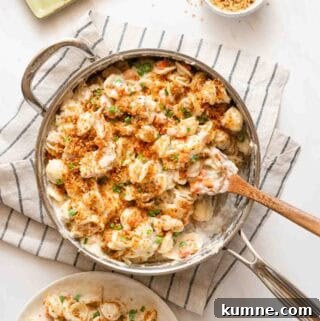
A comfort‑food classic ready in about 30 minutes. This creamy one‑pot pasta doubles as a homemade version of tuna helper, topped with buttery breadcrumbs.
- Author: Kate
- Prep Time: 15 minutes
- Cook Time: 15 minutes
- Total Time: 30 minutes
- Yield: 6 servings
- Category: main course, entree
- Method: stove top
- Cuisine: American
Ingredients
For breadcrumb topping:
- ⅓ cup (20 g) panko breadcrumbs
- 1 tablespoon butter
- Pinch salt
For tuna casserole:
- 12 ounces (340 g) dried short pasta (see notes)
- 4 cups (946 ml) water
- 1½ cups (355 ml) whole or 2% milk
- 1 teaspoon salt, plus more to taste
- 8 ounces (227 g) sharp cheddar, shredded
- 2 cups (270 g) frozen carrots and peas
- 1½ teaspoons onion powder
- 1½ teaspoons garlic powder
- 1 teaspoon black pepper
- Three 5‑ounce cans tuna, well drained
Instructions
- Add butter to a sauté pan or large pot over medium heat. When melted, add panko and a pinch of salt. Stir to coat and toast the crumbs in a single layer until golden, about 1–2 minutes. Remove and set aside.
- In the same pan, combine pasta, water, milk, and 1 teaspoon salt. Bring to a gentle boil, then maintain a gentle simmer. Cook the pasta 11–13 minutes, stirring occasionally, until tender.
- Turn off the heat when the pasta is done. There should be about 1½ cups of liquid remaining (the pasta will be roughly two‑thirds uncovered). If the pan is too dry, add a splash of milk or water.
- Stir in cheddar, frozen carrots and peas, onion powder, garlic powder, and black pepper until combined.
- Fold in drained tuna gently so it keeps some texture.
- Top with toasted panko and serve immediately.
Notes
- This recipe is designed for short pasta shapes that cook in about 9–11 minutes. If you use pasta that takes longer, adjust cook time and add extra milk or water as needed so about 1½ cups of liquid remain when the pasta is finished.
- Bronze‑cut pasta works best for texture and sauce adherence; De Cecco is a good widely available option.
- Because the pasta cooks gently in a smaller amount of liquid, total cook time may be a bit longer than package directions for rapid boiling.
Nutrition (estimate)
- Serving Size: 1/6 recipe
- Calories: 604
- Sugar: 4.4 g
- Sodium: 757 mg
- Fat: 17.8 g
- Saturated Fat: 10.8 g
- Carbohydrates: 47.9 g
- Fiber: 2.5 g
- Protein: 59.1 g
- Cholesterol: 101 mg