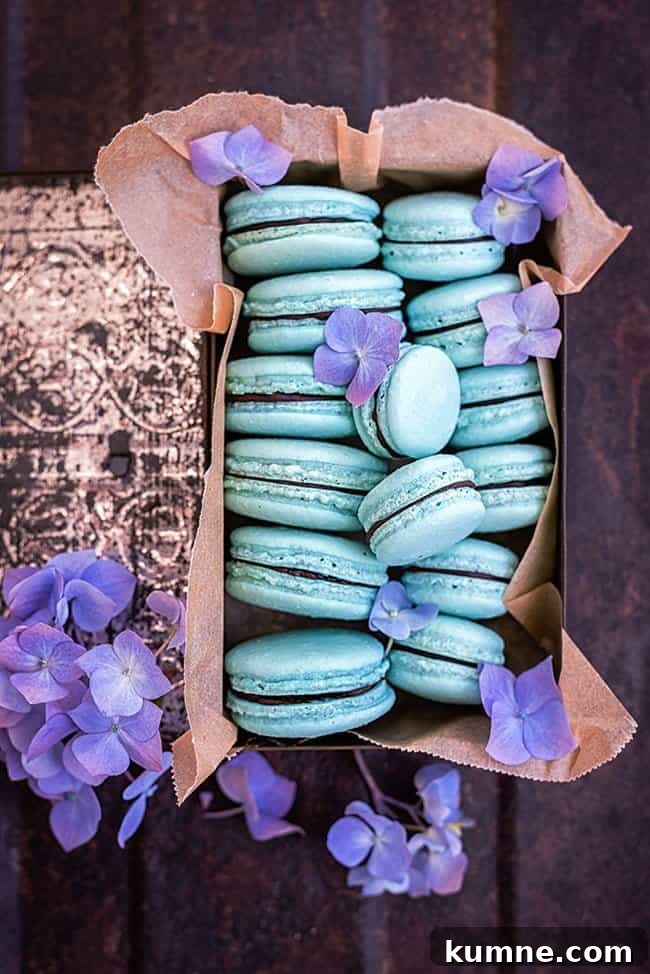
Did you know you can make beautiful vegan macarons using aquafaba — the liquid from canned chickpeas — instead of egg whites?
For more macaron tips and troubleshooting, check my posts on How To Make Perfect Macarons and Chocolate Macarons.
Post may contain affiliate links. For more information, see my disclosure.
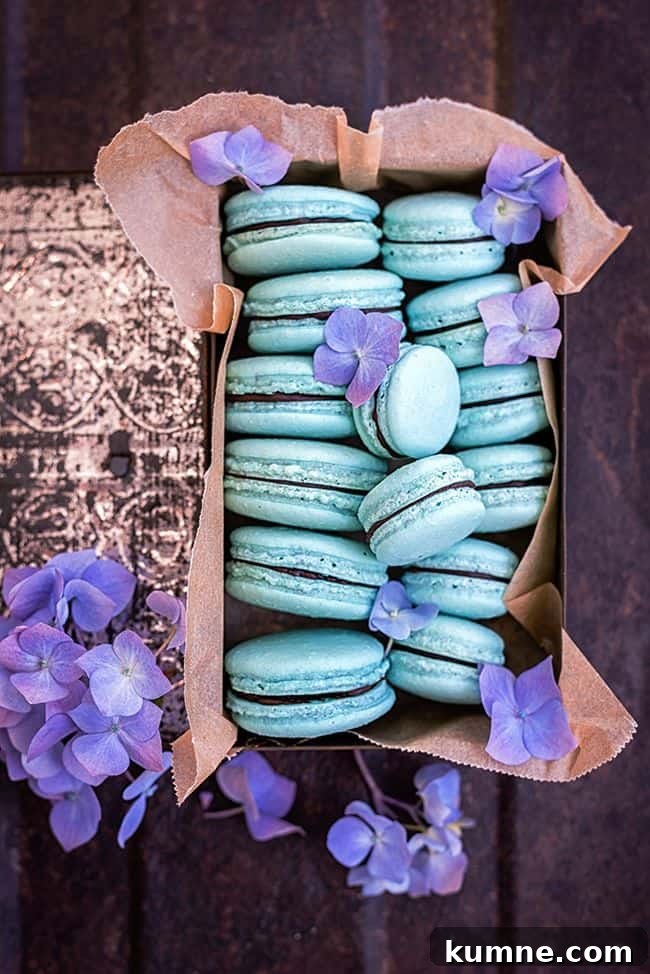
In collaboration with Thermapen
Vegan Macarons
I first spotted vegan macarons on Pinterest and was immediately curious. Traditional macarons rely on egg-white meringue, so the idea of a vegan version sounded almost impossible — until I discovered aquafaba.
Aquafaba is simply the cooking liquid from beans and legumes, most commonly chickpeas. Yes, these macarons use chickpea water, but when handled correctly it behaves very much like egg whites. (If you want to use the chickpeas themselves, try a vegan chickpea salad.)
After a bit of reading I found dedicated websites and communities devoted to aquafaba. I had to try it. Macarons are already finicky, and substituting a new ingredient felt like a fun challenge.
A neighbour had attempted aquafaba baking for an egg-allergic child with mixed results, which made me more determined to perfect the technique. You can either use the liquid straight from cans of chickpeas or make your own by cooking dried chickpeas; I chose the easier option.
I drained liquid from two 400g (14oz) cans of organic chickpeas and reduced it on the stove until I had slightly more than 150ml (5fl oz) — the amount my recipe requires. After cooling, chill the aquafaba overnight in the fridge; it thickens and resembles egg white consistency.
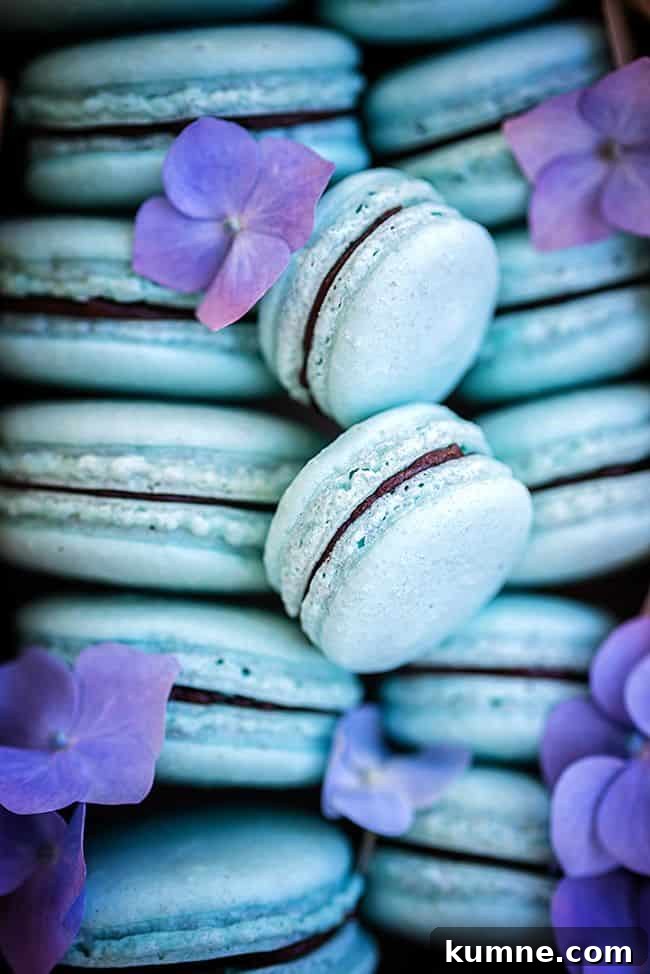
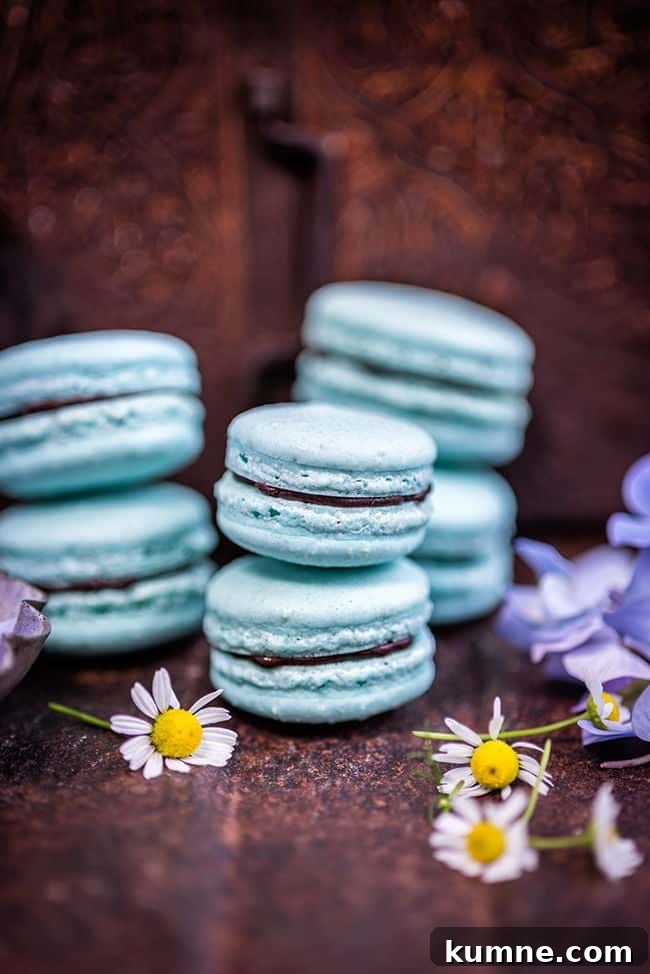
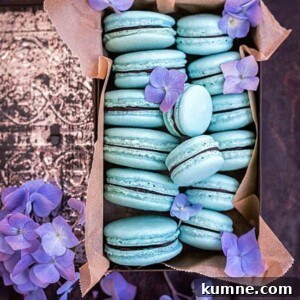
At first the liquid looked and smelled unappealing, and I worried about wasting ingredients. However, after following the method carefully the results were impressive: glossy aquafaba meringue and delicate macaron shells that looked and tasted very similar to traditional macarons. The shells were a touch drier but softened when filled, delivering the same mouthfeel in the finished sandwich.
There are a few method differences compared with classic macarons: aquafaba requires a lower oven temperature (around 120°C / 250°F rather than 150°C / 300°F) and a longer bake time. Too hot and the shells will burn; too cool and they’ll remain raw inside. Bake one tray at a time for even results.
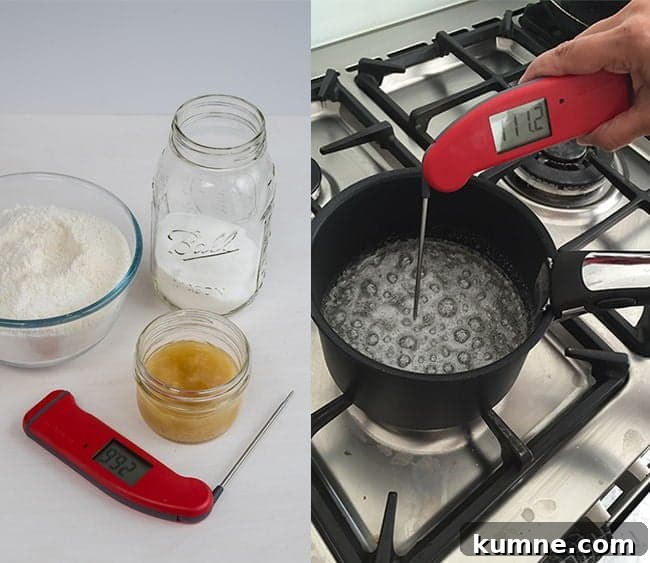
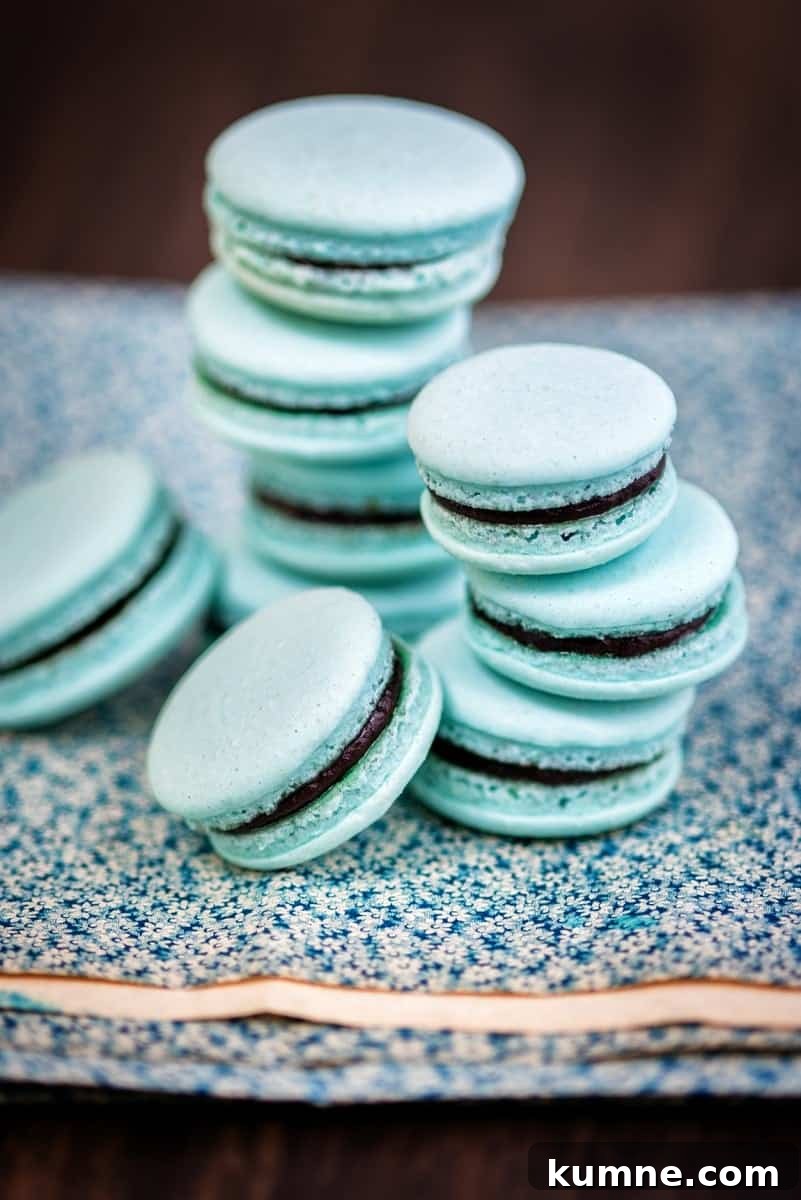
My macarons turned out very uniform and, in my experience, sometimes even neater than the egg-white versions. I used a Thermapen to monitor sugar syrup temperature for the Italian-meringue-style aquafaba, which helped achieve a glossy, stable mixture.
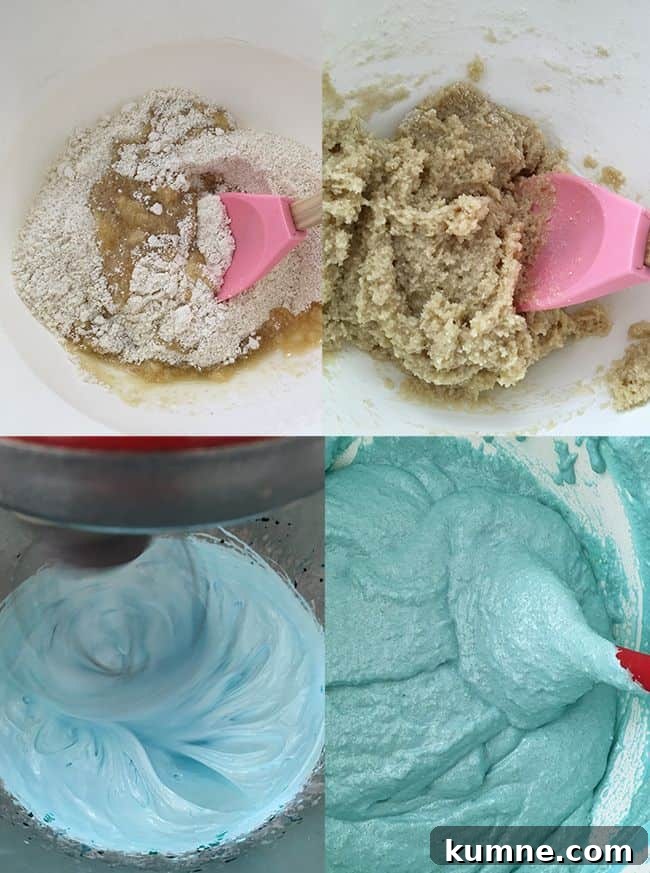
The aquafaba meringue in my attempts never reached the very firm peaks that egg whites can produce, but that didn’t negatively affect the macarons. Once the almond paste is folded in to the glossy meringue, aim for a batter that flows slowly back into the bowl — that’s the correct macaronnage consistency.
Vegan Macarons Tips and Troubleshooting
Allow the piped shells to dry until the tops are just touch-dry — at least an hour, though humidity and temperature will affect drying time. Bake each tray on its own for 25–30 minutes at 120°C / 250°F, checking after 20 minutes. Rotate the tray halfway if your oven has hot spots. Do not bake multiple trays at once to avoid uneven results.
Vegan Macarons Fillings
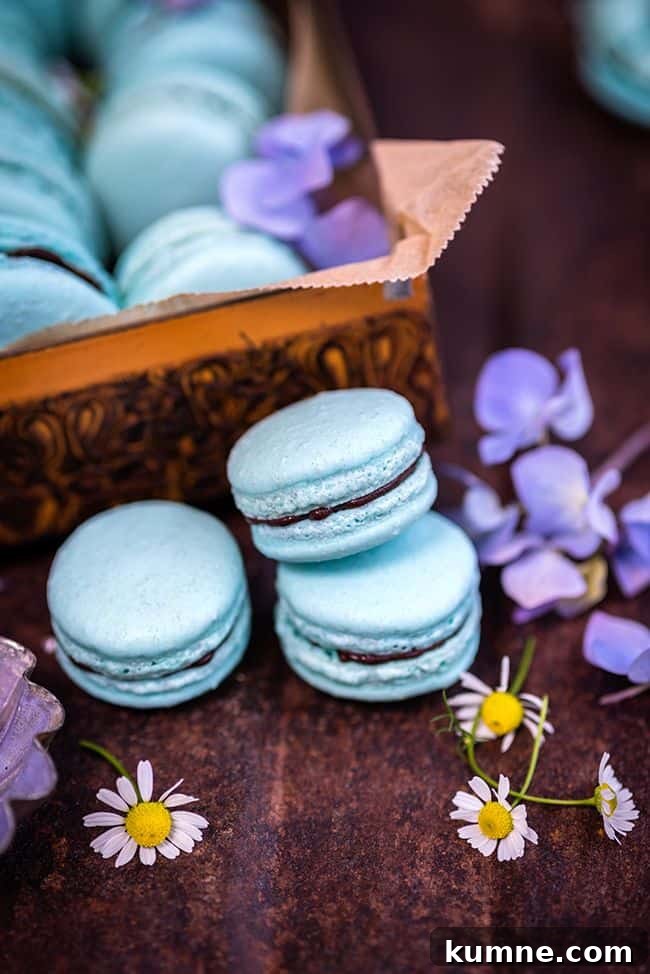
I filled mine with an avocado chocolate mousse style ganache — light, creamy and delicious. Be cautious with coconut oil in fillings since it can soak into shells; use it sparingly. A simpler option is vegan ganache made from dairy-free dark chocolate and coconut cream or soy cream. Vegan buttercream also works well if you prefer a firmer filling.
Macarons storing tips
- Store unfilled shells in an airtight container separated by greaseproof paper.
- After filling, macarons soften: they are best eaten within a day or two for the ideal texture.
- You can freeze macarons, though I usually haven’t needed to since they get eaten quickly.
USEFUL TOOLS FOR MACARONS PERFECTION
- Digital scales – accurate weighing gives the best results.
- Fine sieve – for aerating and removing lumps from almond and icing sugar.
- Silicone spatula
- Piping bags and a plain round piping tip (about 1 cm / ½ inch).
- Silpat silicone macaron mats or lined baking sheets without rims.
Have you made my Vegan Macarons recipe? Post a photo on my Facebook page, share it on Instagram, or save it to Pinterest with the tag #supergoldenbakes — I’d love to see your results!
MORE AQUAFABA RECIPES TO TRY!
- Vegan heart-shaped churros
- Five-ingredient chocolate peanut butter mousse
- Vegan chocolate and coconut mousse
Vegan Aquafaba Macarons
Ingredients
- 200 g / 7 oz icing (powdered) sugar
- 200 g / 7 oz ground almonds
- 150 g / 5 oz aquafaba (see method; divided into 2 x 75 g)
- 200 g / 7 oz caster sugar
- 50 ml / 1/5 cup water
- ⅛ tsp colouring paste or colour of your choice
Avocado chocolate ‘ganache’
- 2 medium ripe avocados
- 4–5 tbsp agave nectar (more if needed)
- 1 tbsp coconut oil, melted
- ½ tbsp vanilla extract or paste
- 4 tbsp unsweetened cocoa powder
Instructions
- Drain liquid from two 400 g (14 oz) cans of chickpeas into a saucepan. Weigh the pot, then simmer over medium-low heat until reduced by about half. Aim for slightly more than 150 ml (5 fl oz). Cool completely and chill overnight or use immediately.
- Sift the ground almonds and icing sugar into a large bowl. Pour half the aquafaba into the bowl and mix vigorously until it forms a paste.
- Put the caster sugar and water in a saucepan. Place the remaining aquafaba in the bowl of a stand mixer.
- Bring the sugar to a boil. When the syrup reaches 110°C / 230°F, start whisking the aquafaba on high. When the syrup hits 117°C / 242°F, pour it slowly down the side of the bowl while whisking on medium, then increase to high speed until the bowl cools (about 8–10 minutes).
- You should have a very glossy meringue. Add colouring paste, starting with a small amount to reach your desired shade. Fold in the almond paste until the batter flows smoothly and spreads slowly when dropped back into the bowl.
- Line trays with baking parchment and secure the paper with a dab of batter at the corners. Fill a piping bag with a 1 cm / ½-inch round nozzle and pipe small rounds, leaving space to spread.
- Tap the trays firmly on the work surface to release bubbles. Let shells dry until touch-dry (at least an hour, depending on humidity).
- Preheat oven to 120°C / 250°F. Bake one tray at a time for 25–30 minutes, checking after 20; rotate if needed. The shells are done when they have a smooth, dry top and feel firm. Cool completely before removing from the parchment.
- Leave shells overnight covered with a clean tea towel or store in the fridge. For the filling, blitz all ingredients in a food processor until smooth, adjust sweetness, pipe onto shells, and sandwich together. Chill overnight for best texture.
Notes
- Reduce and chill the aquafaba before using. Start a day ahead so it can cool and thicken.
- For best results, process ground almonds and icing sugar together, then sift. Discard any large bits and re-weigh after sifting.