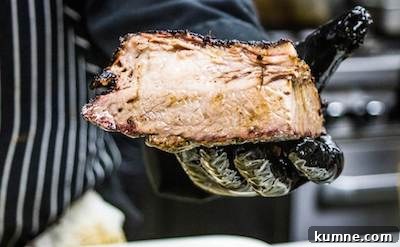
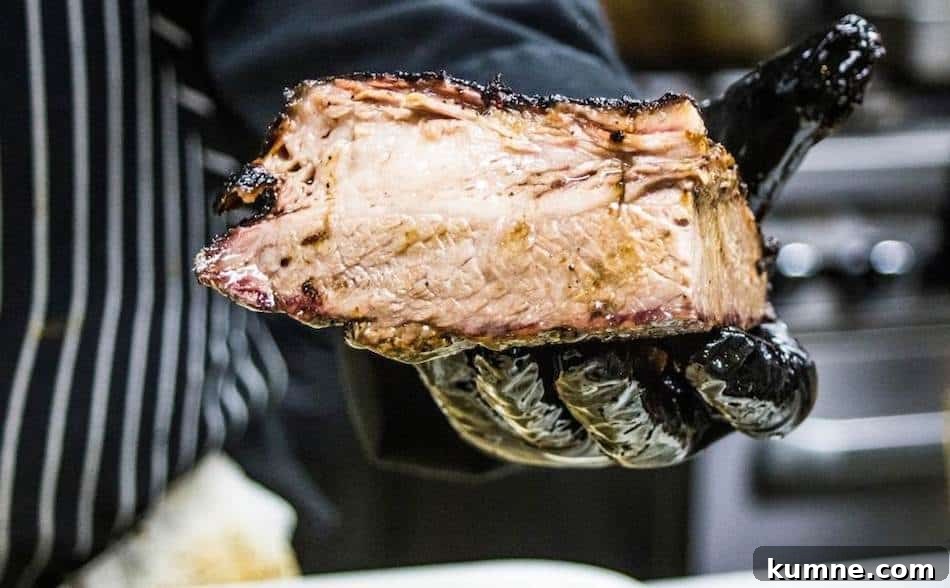
Smoking a brisket on a pellet grill is a rewarding way to showcase barbecue skills and deliver rich, tender meat. This guide summarizes practical tips and a clear step-by-step approach—from buying the right cut to resting and slicing—so you can confidently smoke a brisket on a pellet grill.
Basic smoking plan: set the pellet grill to 250–275°F. Smoke the brisket until the bark sets and the internal temperature reaches about 150°F (roughly 5–6 hours depending on size). Wrap in foil or butcher paper, return to the grill and continue until the internal temperature reaches about 203°F or the meat yields like butter to a probe. Trim the fat cap to about 1/4 inch, remove silver skin, apply a binder if desired, and season with a rub. Rest the finished brisket at least one hour or keep it in a dry cooler for several hours before slicing.
| Step | Description |
|---|---|
| 1 | Trim fat cap to 1/4 inch and remove silver skin |
| 2 | Preheat pellet grill to 250°F |
| 3 | Apply binder (optional) and rub |
| 4 | Smoke brisket—plan ~1 hour per pound as a rough estimate |
| 5 | Spritz every 30–60 minutes after bark forms if desired |
| 6 | Wrap in foil or butcher paper when internal temp ~150°F |
| 7 | Return to grill until internal temp ~203°F or probe-soft |
| 8 | Rest at least 1 hour; hold in a cooler if needed |
| 9 | Slice against the grain and serve |
Tips for Buying the Best Brisket
- Choose a brisket with good marbling and a substantial fat cap—this helps keep the meat moist during the long cook.
- A deep red color and consistent marbling signal quality; avoid overly lean or gristly cuts.
- USDA grades (Prime, Choice, Select) indicate general quality—buy the best grade you can afford.
There’s no saving a poor brisket: quality matters. A well-marbled, properly aged brisket will reward your time on the smoker with better tenderness and flavor.
Trimming the Brisket
Trimming creates a uniform shape for even cooking and removes tough silver skin. Leave approximately 1/4 inch of fat to protect the meat during the cook.
- Identify the fat cap and silver skin.
- Trim excess fat from sides and points, preserving about 1/4 inch on top.
- Carefully remove the silver skin with a sharp knife.
- Apply a binder (olive oil, mustard, etc.) and rub when ready to season.
Dry Brining (Optional)
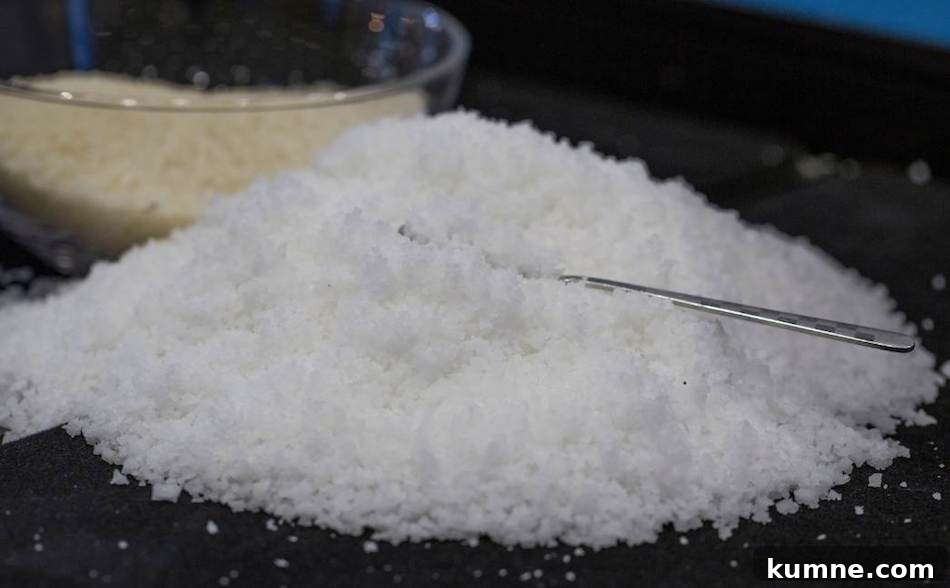
Dry brining with kosher salt enhances flavor and helps retain moisture. Use about 1 tablespoon of salt per 2–3 pounds, rub evenly, refrigerate for a few hours or overnight, then bring to room temperature before cooking. If you dry brine, reduce added salt in your rub to avoid over-salting.
Injecting Brisket (Optional)
Injecting liquid into the brisket can add flavor and moistness. Use a food-grade injector with broth, seasoned stock, or a light marinade. Injection is optional and can speed heating of the meat’s interior, but it requires care to avoid large holes or excess liquid.
Applying the Rub
A good rub enhances flavor and helps form the bark. Common ingredients include paprika, garlic powder, onion powder, salt, black pepper, cayenne, and ground cumin. Apply evenly and press the rub into the meat so it adheres well.
| Ingredient | Amount |
|---|---|
| Paprika | 1/2 cup |
| Garlic powder | 1/4 cup |
| Onion powder | 1/4 cup |
| Salt | 1/4 cup |
| Black pepper | 1/4 cup |
| Cayenne pepper | 2 tbsp |
| Cumin | 2 tbsp |
Binders and Slathers
A binder (olive oil, mustard, or a thin paste) helps the rub stick. It rarely imparts a dominant flavor at the end of the cook, so choose a neutral option like oil if you prefer subtlety.
Choosing Smoking Wood
Pick a wood that complements beef without overpowering it. Oak and hickory are classic choices for brisket; fruit woods like apple or cherry add a milder, sweeter smoke. Avoid very strong woods that can taste bitter over a long cook.
Temperature: Low & Slow vs Hot & Fast
Low and slow (225–250°F) yields deeper flavor and tenderness but takes longer. Hot and fast (300–350°F) shortens cooking time but can sacrifice some tenderness and complexity. For most pellet grill briskets, 225–275°F is a reliable range.
Developing a Good Bark
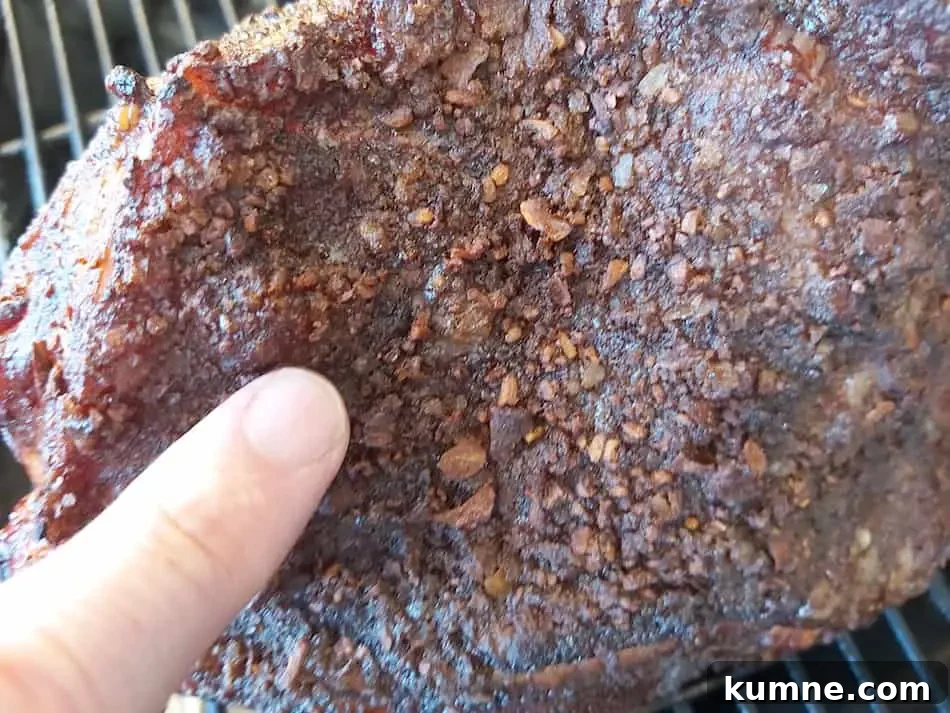
Bark forms through seasoning, rendered fat, and the Maillard reaction. Minimize opening the lid early, use a substantial rub, and allow smoke exposure during the first hours to develop a flavorful crust.
Spritzing and Mopping
Sparingly spritz with apple juice, cider vinegar, or broth after the bark begins to set to help retain moisture. Avoid over-wetting the surface or doing this before the bark forms.
Wrapping Brisket
Wrapping (foil or butcher paper) is done once the bark is set to speed the cook and retain moisture. Paper allows some breathability and preserves bark texture; foil traps more moisture but can soften the bark. Insert a probe before sealing to monitor temp.
Timing and Doneness
Cook times vary by weight and temperature. A rough guide is 1–1.5 hours per pound at 225–250°F, but rely on internal temperature and probe feel. Target 195–203°F and a probe that slides in like soft butter for perfectly tender brisket.
Resting and Holding
Rest brisket for at least 30–60 minutes wrapped to let juices redistribute. For longer holds, place the wrapped brisket in an insulated cooler with towels to keep it warm for several hours while preserving moisture and texture.
Slicing and Serving
- Rested brisket is easier to slice—trim excess fat first.
- Slice against the grain into thin slices for the point and flat sections.
- Serve with classic sides like mashed potatoes, baked beans, coleslaw, or cornbread.
Follow these steps and adapt as you learn your pellet grill’s behavior. Patience, consistent temperature control, and a quality cut are the keys to a tender, flavorful smoked brisket.