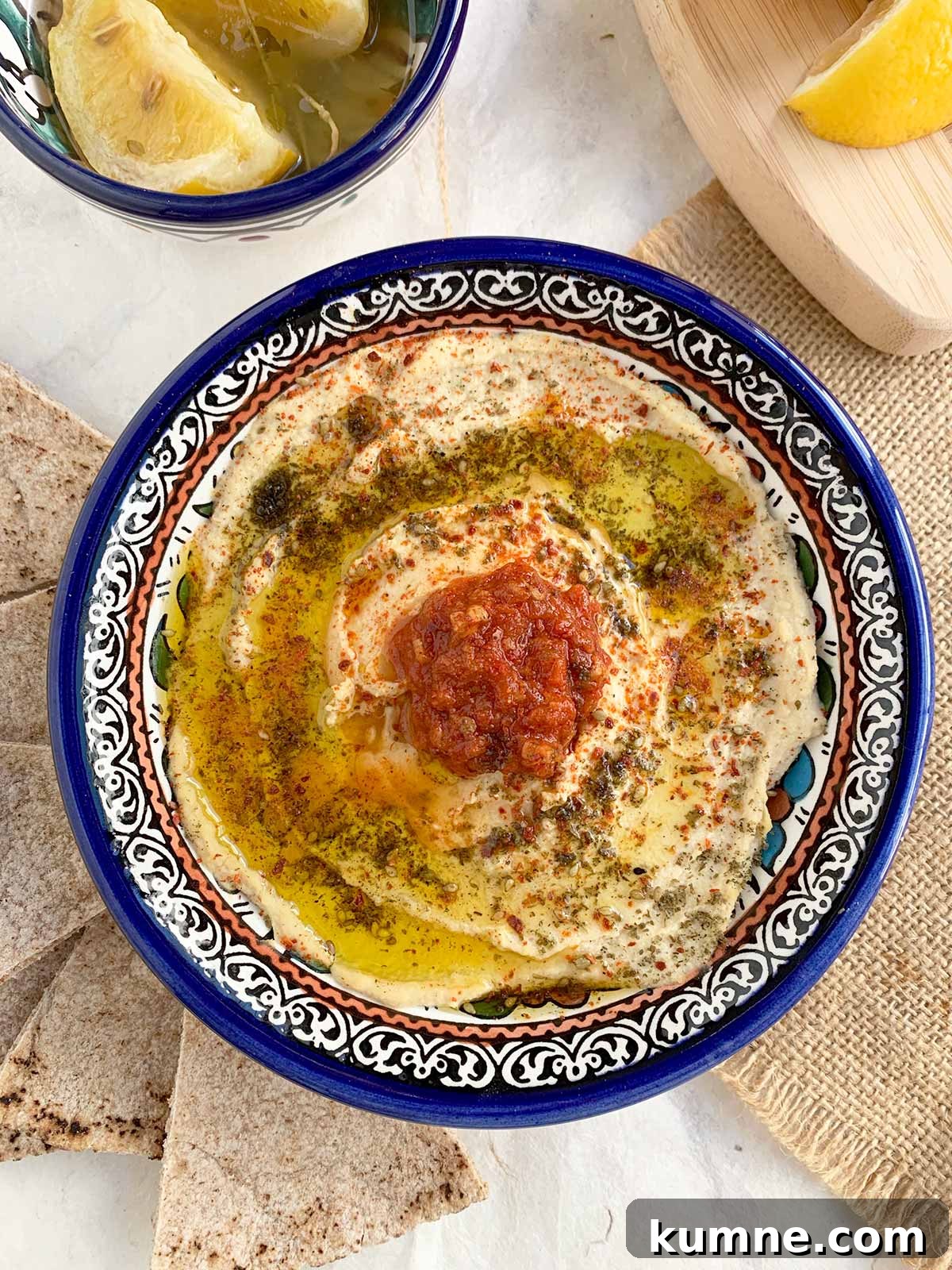
Preserved lemon hummus adds a bright, savory-tangy layer to classic hummus. Even when you start with a can of chickpeas, a quick spin in the food processor yields a smooth, creamy bowl packed with flavor.
If you don’t have preserved lemons on hand, see the preserved lemon tutorial on this site for step‑by‑step photos and a video showing how to make them.
For convenience, all preserved lemon recipes from this site are compiled in the preserved lemon recipes category.
This post includes product mentions and may reference items available for purchase. No price is affected by these references.
What is hummus?
Hummus is a creamy dip made from mashed chickpeas (garbanzo beans) combined with tahini, garlic and lemon. In the United States it’s often served as an appetizer, while in the Middle East it can be a full meal accompanied by fresh pita and a variety of toppings.
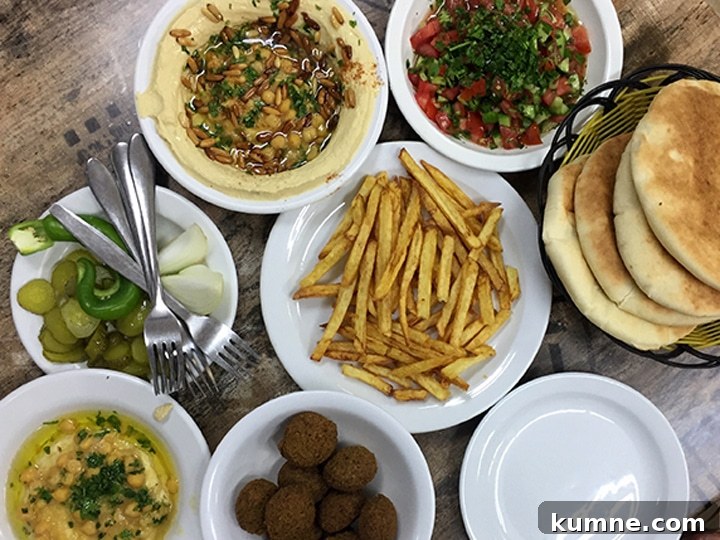
The word “hummus” literally means chickpea in Arabic. Traditional hummus uses garbanzo beans; when other beans are used, it’s technically a hummus-style dip.
The importance of tahini
Tahini is a paste made from ground sesame seeds. It lends a nutty richness to hummus—some restaurants use equal parts tahini and chickpeas for a distinctly creamy, sesame-forward hummus. Choose a high-quality tahini for the best results; even a small upgrade improves the dish noticeably.
This recipe uses a moderate amount of tahini, but you can increase it if you prefer a stronger sesame flavor.
What are preserved lemons
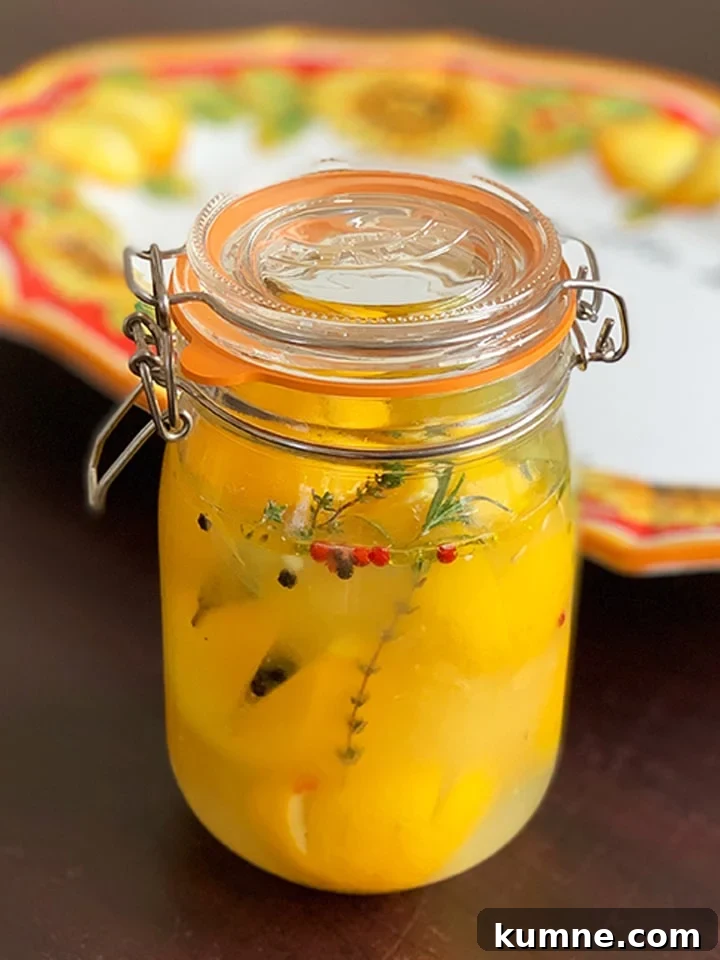
Preserved lemons are whole, unwaxed lemons packed with salt and lemon juice and left to ferment slowly. The result is a mellow, intensely lemony rind with the tartness transformed into savory complexity. Their culinary roots are in North African cuisines—Morocco, Algeria and Tunisia—but preserved lemons appear in historical recipes from across the region.
Canned vs dried beans
Soaked and cooked dried chickpeas yield the richest, creamiest hummus, but canned chickpeas are an excellent shortcut that still produces tasty results. In this recipe, preserved lemons add enough flavor and depth to elevate canned beans into a delicious spread.
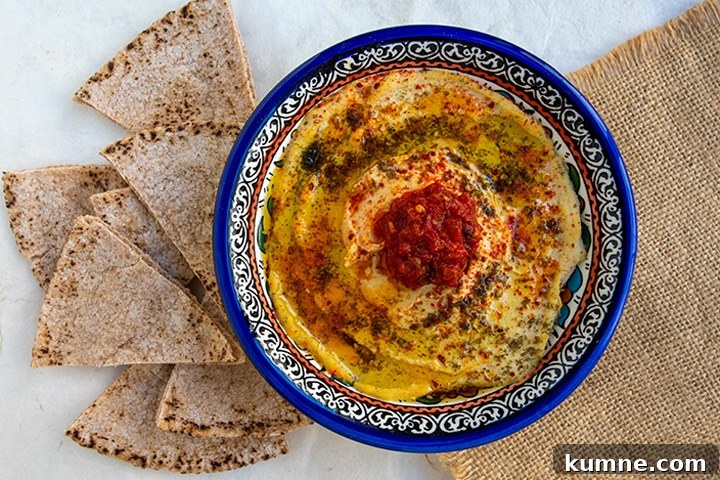
How to make preserved lemon hummus
A food processor is the easiest tool for this hummus. Drain and rinse a 15-ounce can of chickpeas and have your tahini, preserved lemon, fresh lemon juice, garlic, cumin, pepper, olive oil and ice water ready beside the processor.
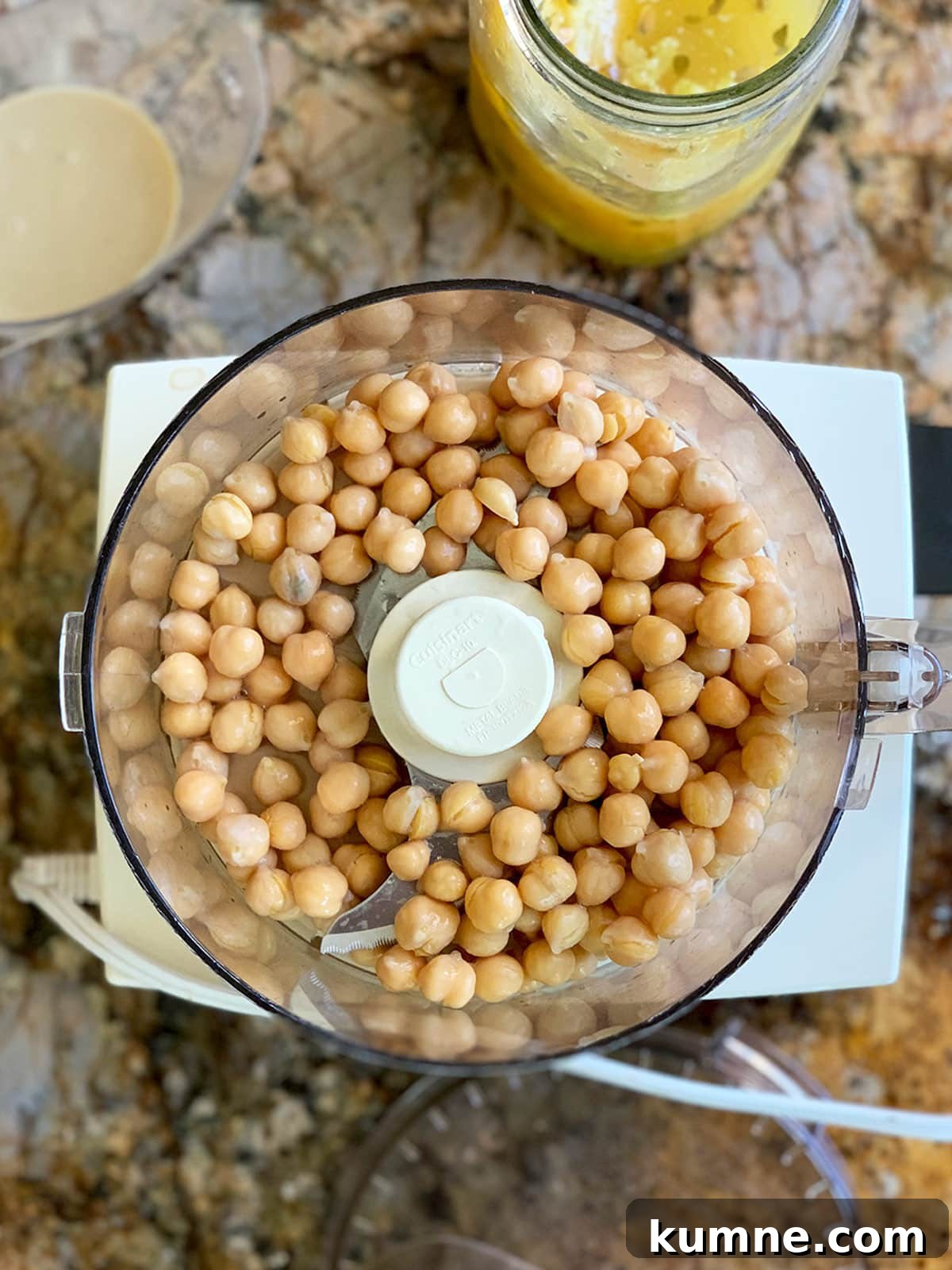
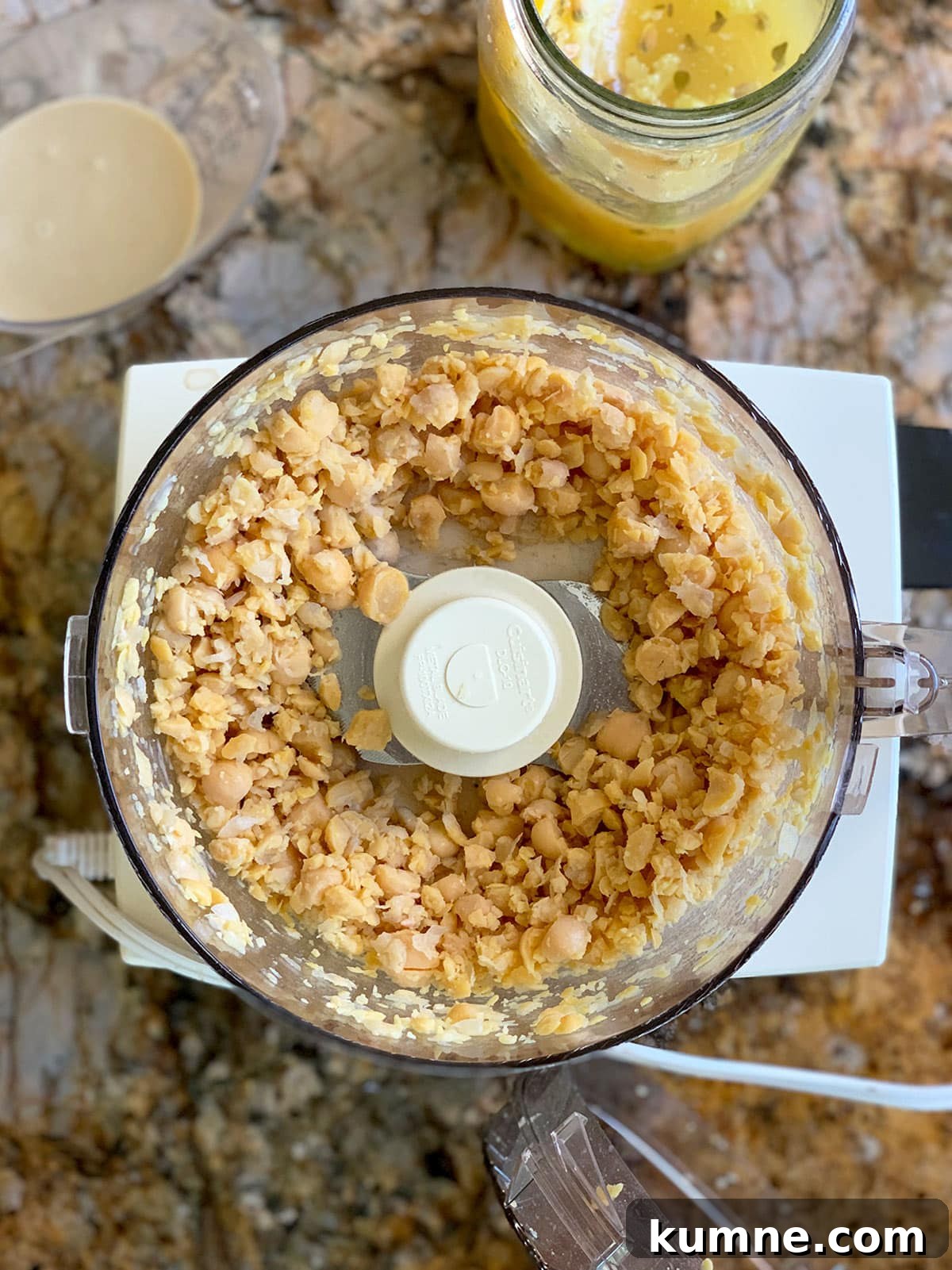
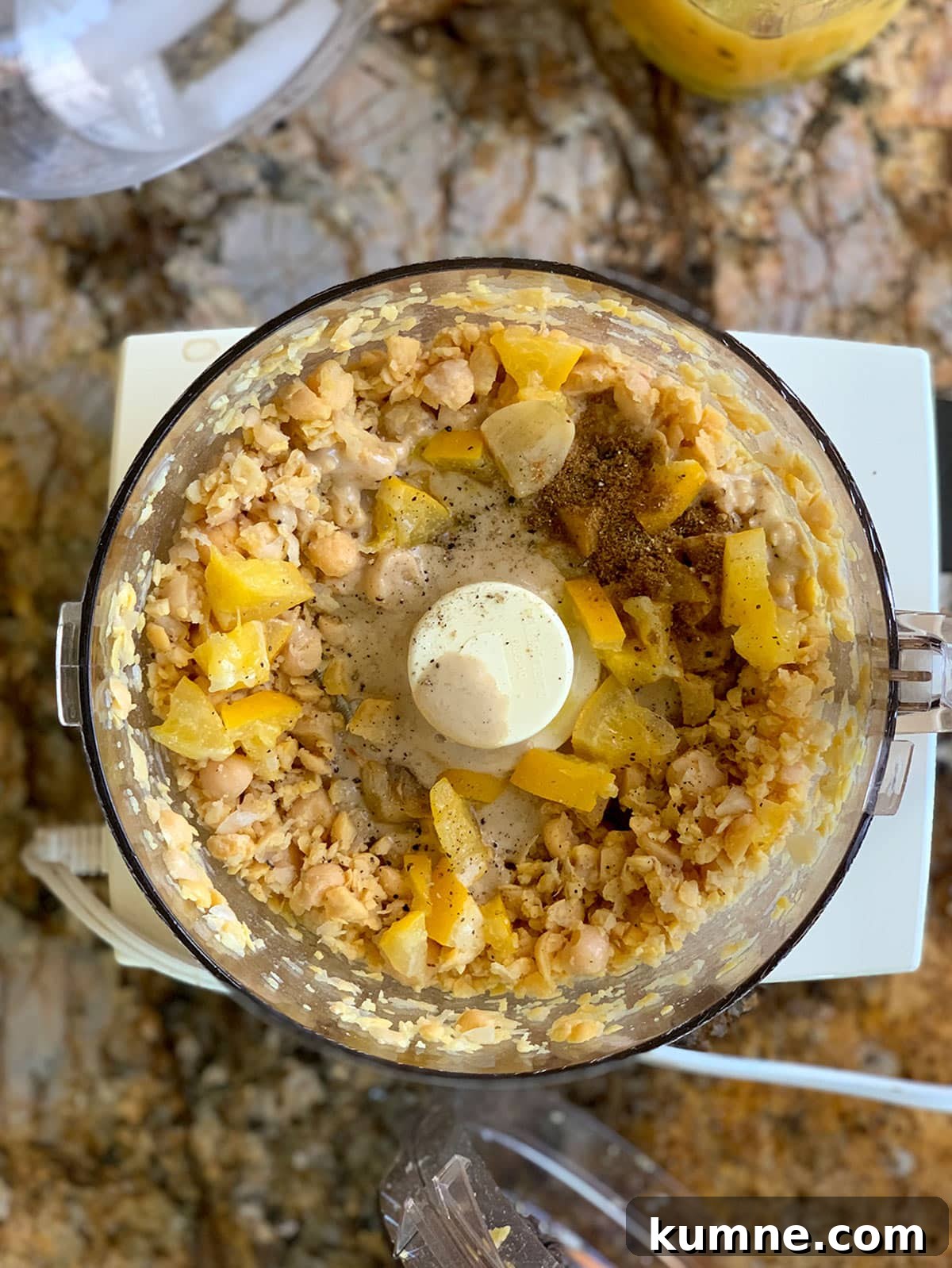
Pulse the chickpeas 10–15 times to break them down. Add the tahini, olive oil, preserved lemon (rinsed and roughly chopped), preserved lemon juice, fresh lemon juice, garlic, cumin and pepper. Process about one minute to combine.
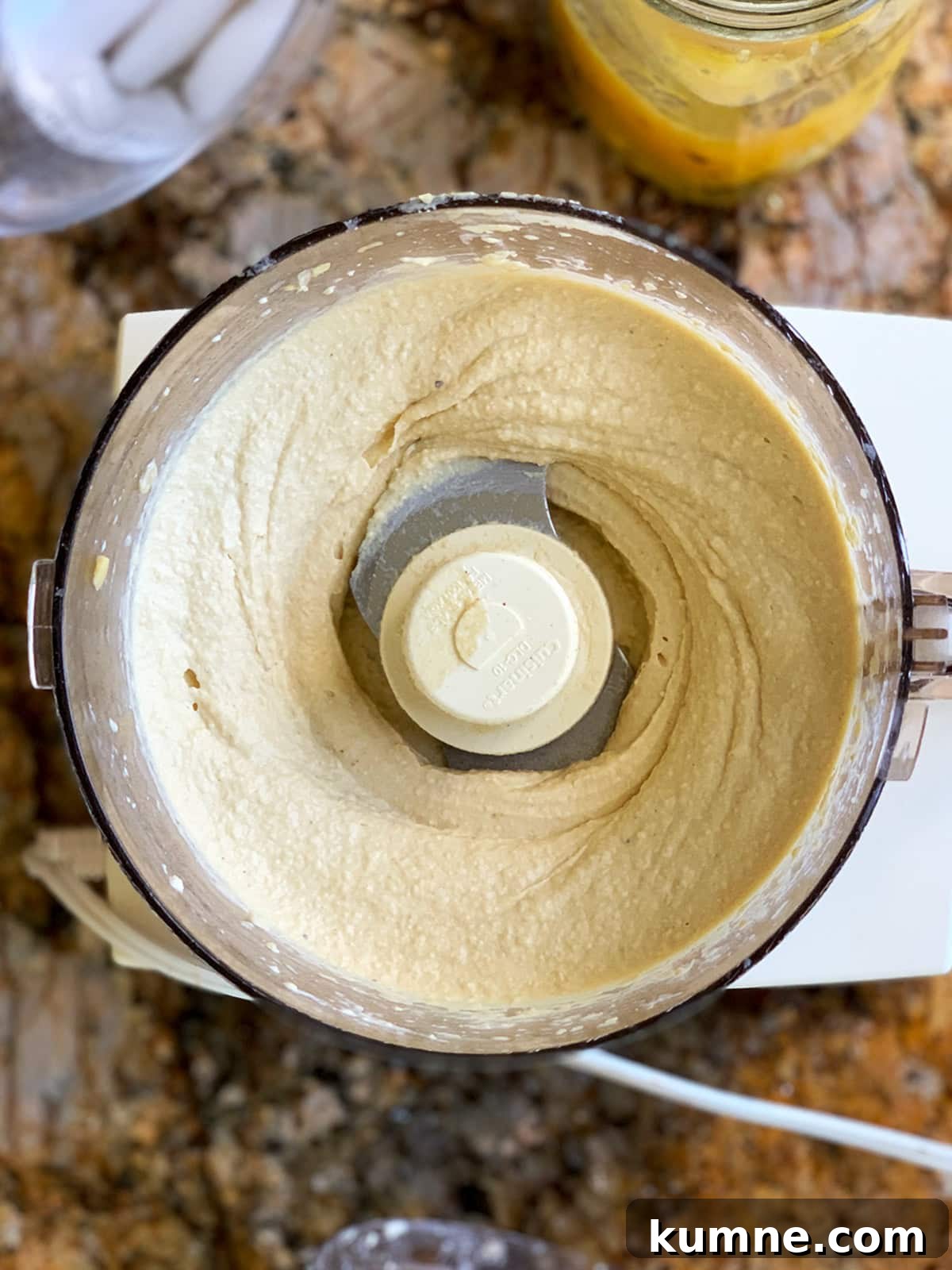
With the processor running, add ice water and continue processing for 3–5 minutes. The long processing time warms the hummus slightly (typical of hummus served in the Middle East) and yields a silkier texture closer to hummus made from cooked dried beans.
Taste and adjust seasoning and texture—add more lemon, salt, or water if needed—then pulse again to combine. Serve at room temperature straight from the processor or refrigerate in a sealed container for later.
Toppings that accent preserved lemon hummus
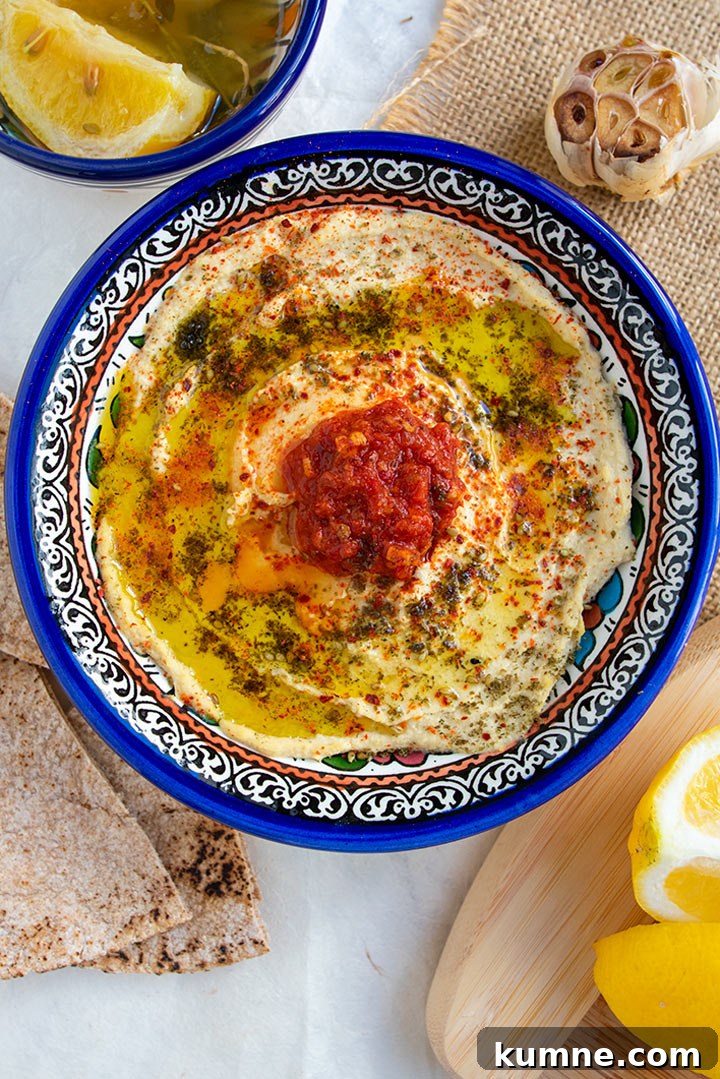
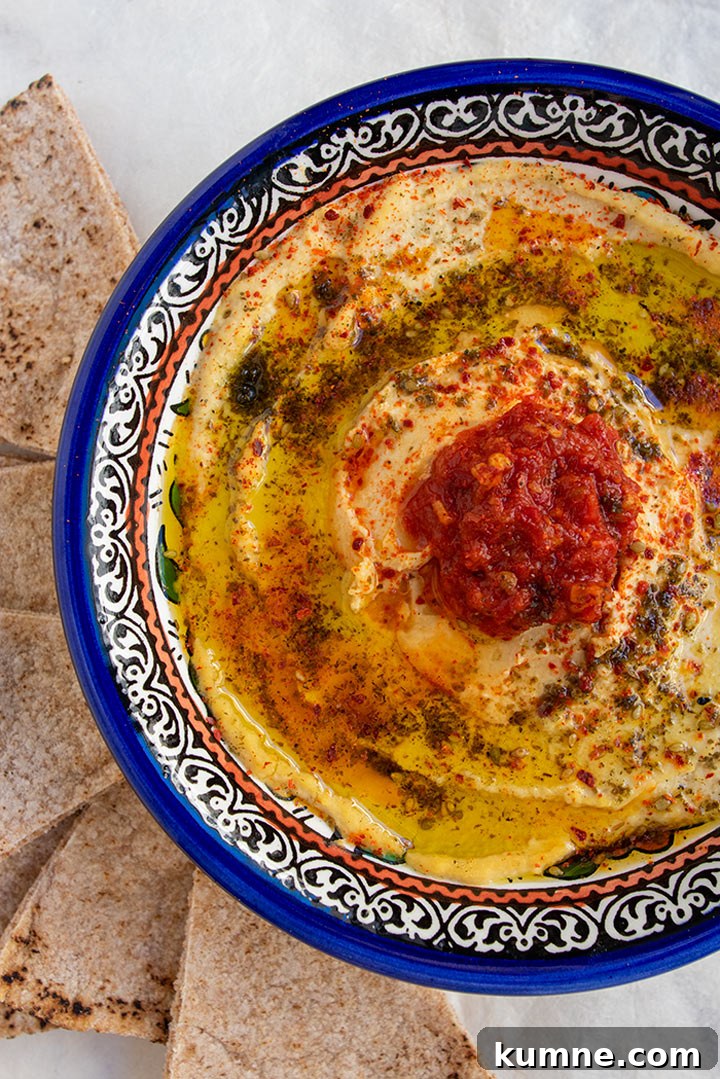
Toppings both dress up the hummus visually and add complementary flavors. A splash of good extra virgin olive oil is essential. Common additions include za’atar for herbaceous, tangy notes; Aleppo or Marash pepper for smoky warmth; and harissa for heat and depth. Fresh herbs, toasted pine nuts or a sprinkle of sesame seeds also work well.
What to serve with preserved lemon hummus
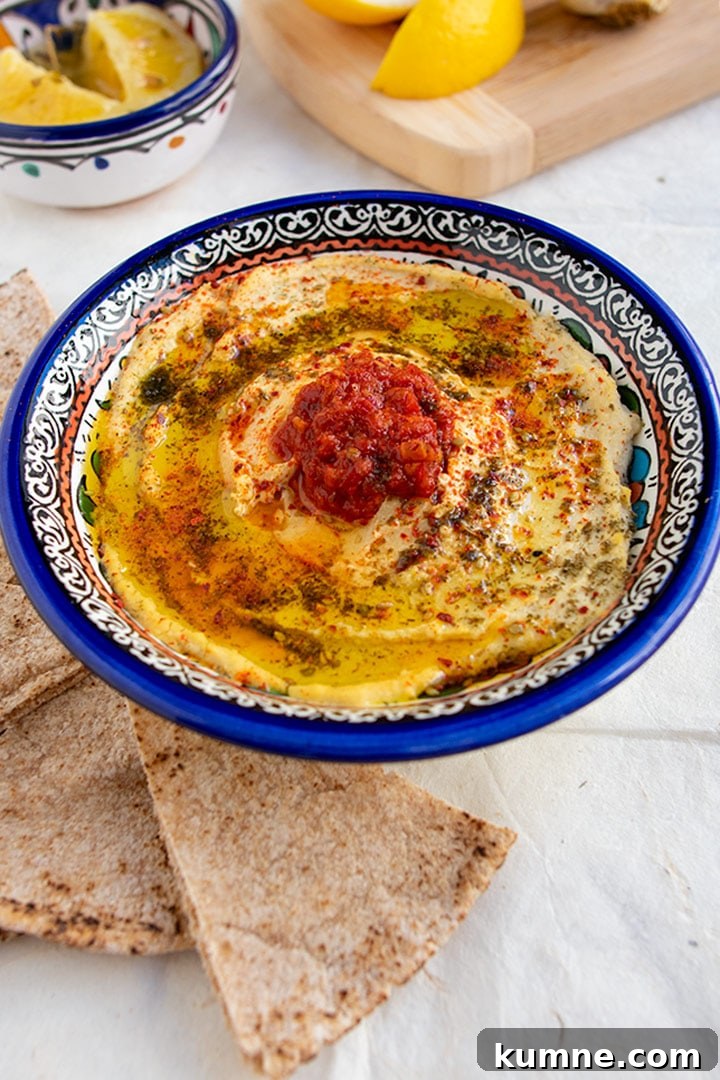
Serve with fresh pita, pita chips or raw vegetables for dipping. A chopped salad dressed with a preserved lemon vinaigrette is a bright companion. Pair the hummus with roasted vegetables, harissa chicken, or another dip like a white-bean hummus-style spread for a varied mezze board.
Supplies for preserved lemon hummus
Essential supplies: canned garbanzo beans, tahini, preserved lemons (homemade or store-bought), extra virgin olive oil and a food processor. Optional garnishes include za’atar, Aleppo or Marash pepper and harissa. High‑quality tahini and olive oil make a noticeable difference in flavor.
Other preserved lemon recipes on this site
 How to Make Preserved Lemons
-
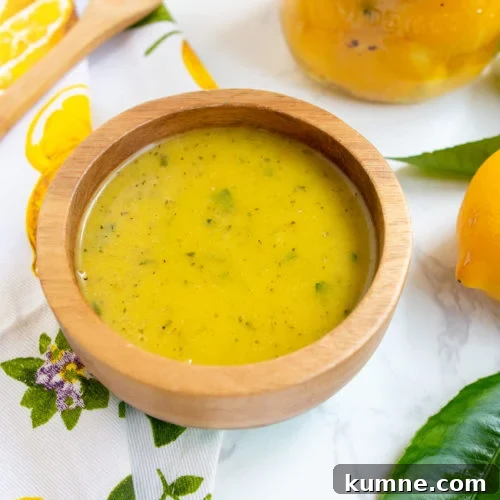
Preserved Lemon Vinaigrette
-
Roasted Harissa Potatoes with Preserved Lemon Gremolata
-
Harissa Chicken with Preserved Lemons




Consider purchasing the author’s cookbook for more recipes and inspiration.
P.S. If you try this recipe, please leave a star rating or review in the comments below — feedback is greatly appreciated.
Preserved Lemon Hummus
Equipment
- Food processor
- Measuring cups and spoons
- Spatula
Ingredients
- 1 (15 oz) can garbanzo beans, drained and rinsed
- 1/3 cup tahini (sesame paste)
- 1 tablespoon extra virgin olive oil
- 1 tablespoon preserved lemon juice
- 2–3 tablespoons fresh lemon juice
- 1/2 – 3/4 preserved lemon rind, rinsed, seeds removed and roughly chopped
- 1–2 cloves garlic, raw or roasted
- 1/4 – 1/2 teaspoon ground cumin (or toasted and ground cumin seeds)
- 1/4 teaspoon pepper, or to taste
- 3 tablespoons ice water
Optional Toppings
- 2 tablespoons extra virgin olive oil for drizzling
- 2 teaspoons za’atar
- 1/2 teaspoon Marash or Aleppo pepper
- 1–2 tablespoons harissa
Instructions
- Pulse the garbanzo beans in the food processor 10–15 times until partially mashed.
- Add tahini, olive oil, preserved lemon juice, fresh lemon juice, preserved lemon rind, garlic, cumin and pepper. Process for about one minute until combined.
- With the processor running, add ice water and continue mixing for 3–5 minutes until the hummus is very smooth and creamy. Taste and adjust lemon, salt, or texture as needed, then pulse to combine.
- Transfer to a serving bowl, drizzle with olive oil and add desired toppings such as za’atar, Marash pepper or harissa. Serve with fresh pita, pita chips, or vegetables for dipping.
Notes
Nutrition

Enjoyed this post? Sign up for the newsletter on this site to receive recipes and updates.

If you enjoy these recipes and want to support the site, consider making a small contribution. Thank you for reading and cooking along!