
Appetizers and hors d’oeuvres: are they the same? The terms are often used interchangeably, but there are subtle distinctions worth noting. Below is a clear, concise explanation of what sets them apart and where they overlap.

What is an Appetizer?
An appetizer is a small dish or drink served to stimulate the appetite before a main meal. The term—derived from the word “appetite”—appeared in English usage in the 19th century. Appetizers are intended to prepare diners for the courses to follow and typically coordinate with the flavors of the main meal.
What is an Hors d’oeuvre?
Hors d’oeuvre (pronounced awr-durvz) is a French term meaning “outside the work,” referring to items that are not part of the main sequence of meal courses. These are usually small, savory bites that can stand alone as snacks or complement a meal. Historically, hors d’oeuvre became popular alongside the late-19th-century cocktail and pre-dinner drink tradition, when hosts began offering one-bite items before seated dining.
Key Differences and Overlap
Both appetizers and hors d’oeuvres are designed to entice the palate without filling the diner. They can be served hot or cold, be creamy or crunchy, and often share ingredients and formats. Hors d’oeuvres are commonly served as appetizers, so one can think of hors d’oeuvres as a type or subset of appetizer. The most useful distinctions are portion size, timing, and serving context.
Time Eaten
Appetizers are typically the first course of a seated meal and are served at the table to complement the menu. For example, a seafood dinner might begin with a crab dip, while an Italian meal could start with bruschetta. Hors d’oeuvres, by contrast, can be served at any point—before the meal, during a cocktail hour, or while guests mingle at receptions or parties.
Portion Size
Appetizers tend to be larger—often 3–4 bites and sometimes intended for sharing—whereas hors d’oeuvres are generally single- or two-bite items meant to be eaten in one or two mouthfuls. Hors d’oeuvres are frequently finger foods and may be served without utensils.
Options Served
At events you’ll usually see a variety of hors d’oeuvres offered for guests to sample, while a formal meal will typically feature a single appetizer course chosen to complement the main dishes. That said, there’s flexibility: you might serve several appetizers before a meal or offer only one hors d’oeuvre at a small gathering.
Setting
Hors d’oeuvres are commonly served in a standing, “mix-and-mingle” setting—on passing trays or buffet stations during cocktail hours and receptions. Appetizers are more often served at the table as a formal first course before guests move on to the main course.
Are Appetizers the Same as Starters?
In practice, “appetizer” and “starter” are interchangeable in many English-speaking countries, especially in the United States. Both refer to a small portion enjoyed prior to the main meal.
Common Examples of Appetizers
- Stuffed mushrooms
- Dips (served with chips, bread, or vegetables)
- Cheese balls and cheese spreads
- Chicken wings
- Sliders
- Egg rolls
- Pigs in a blanket
- Small salads
Common Examples of Hors d’oeuvres
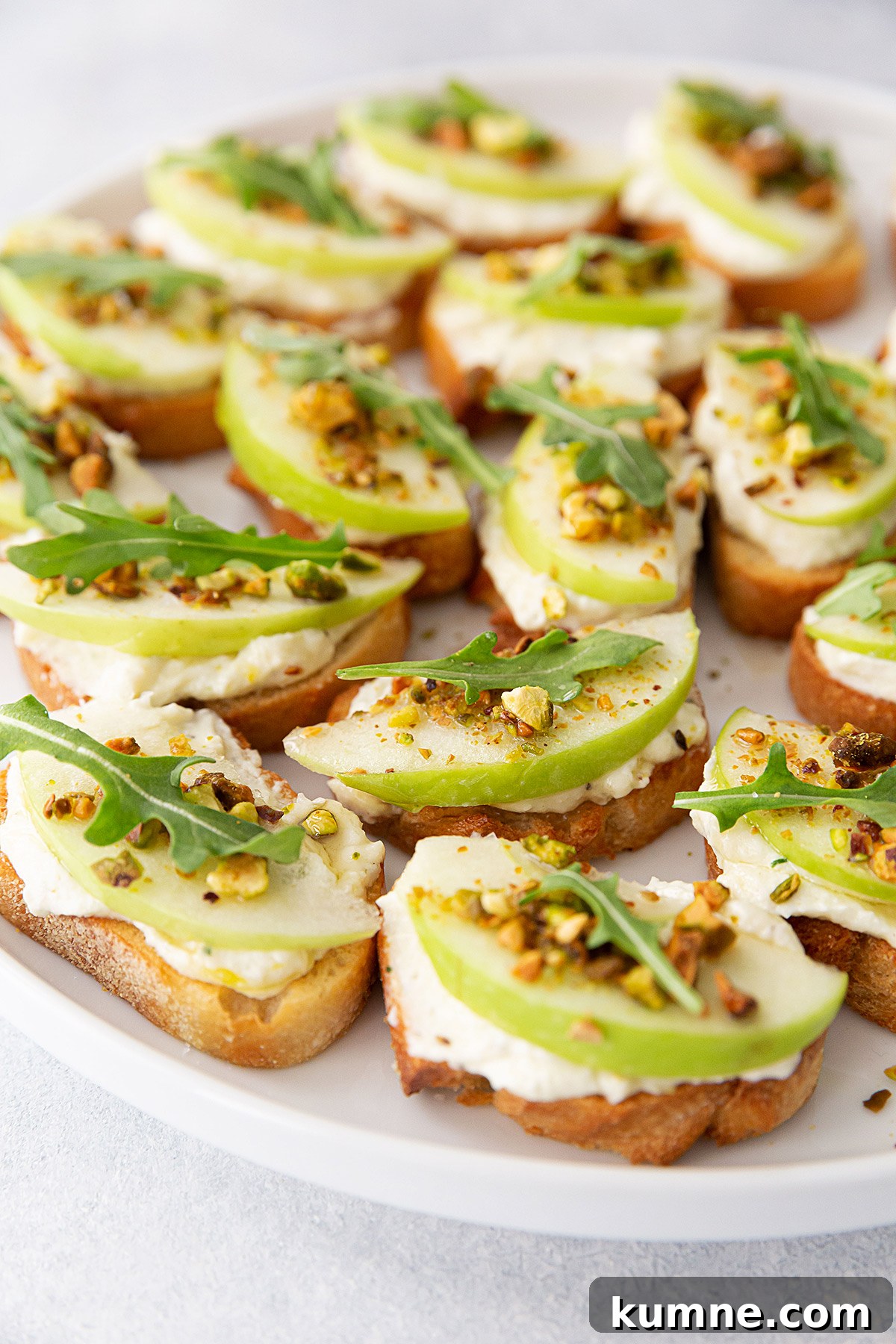
- Canapés (mini open-faced sandwiches)
- Crudités (raw or lightly blanched vegetables)
- Shrimp cocktail
- Marinated shrimp
- Deviled eggs
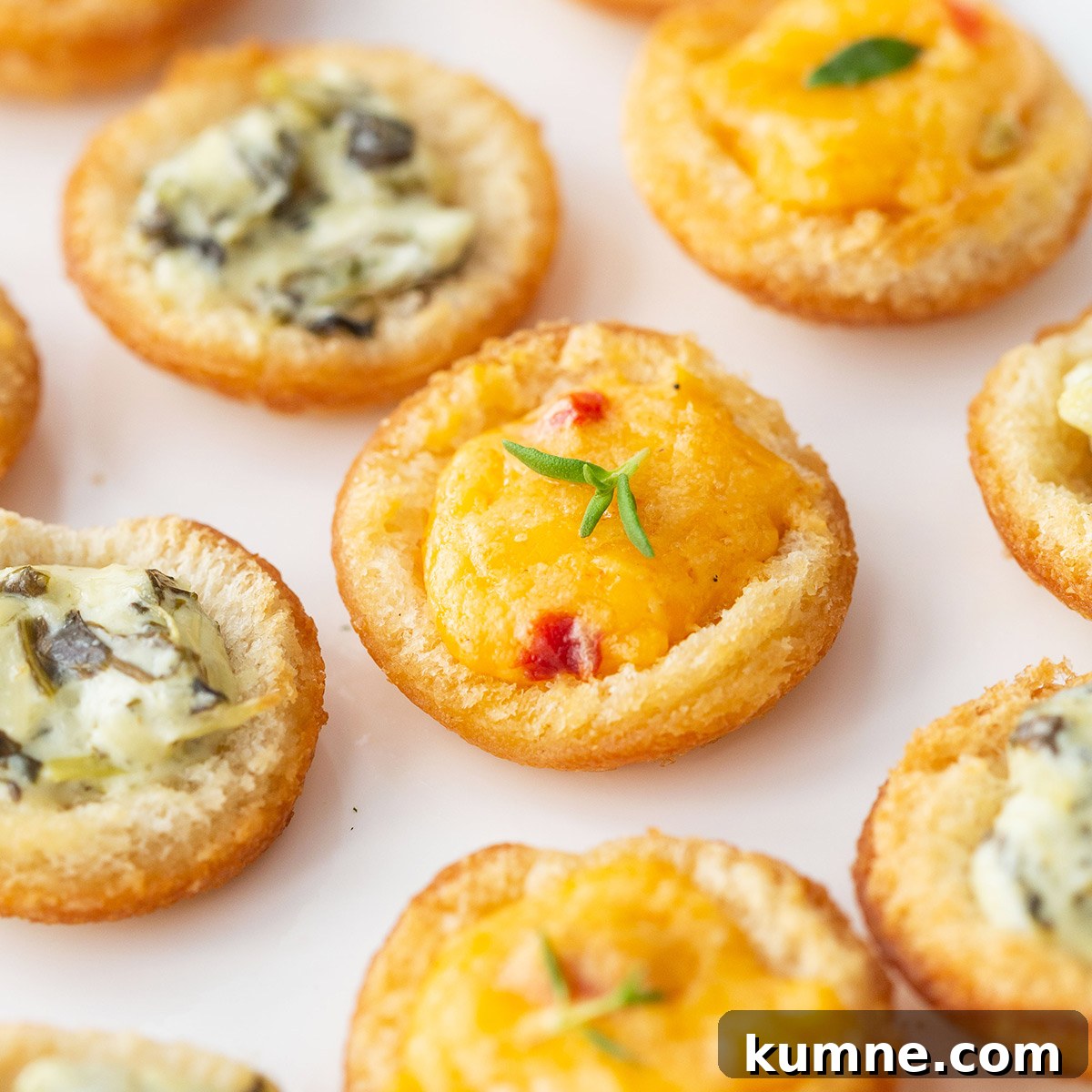
- Toast cups
- Blue cheese–stuffed olives
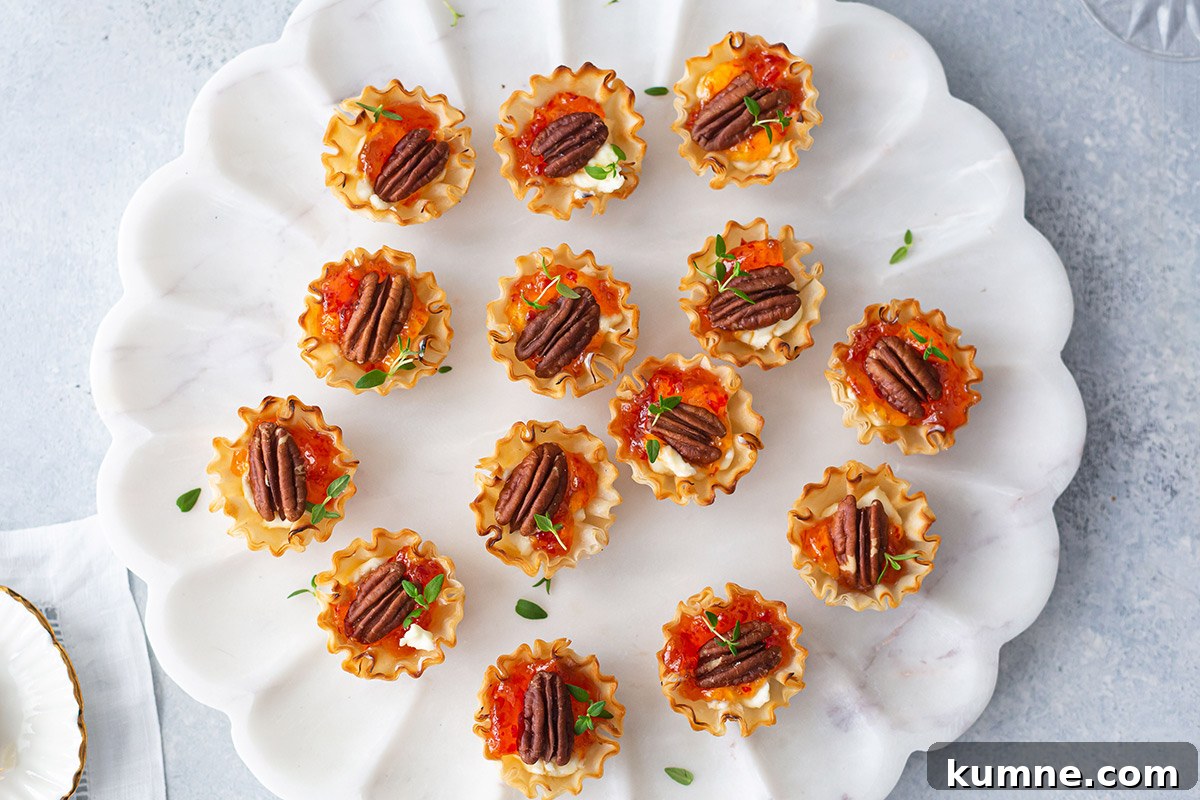
- Phyllo cups filled with savory toppings
Many hosts advertise “appetizer parties,” even when the food served functions more like hors d’oeuvres during a social gathering. In everyday use, the two words are often interchangeable, and most people will understand either term. The difference is mostly about context, portion size, and how the food is served.
Hopefully this clarifies the subtle distinctions between appetizers and hors d’oeuvres so you can choose the right format for your next meal or event.