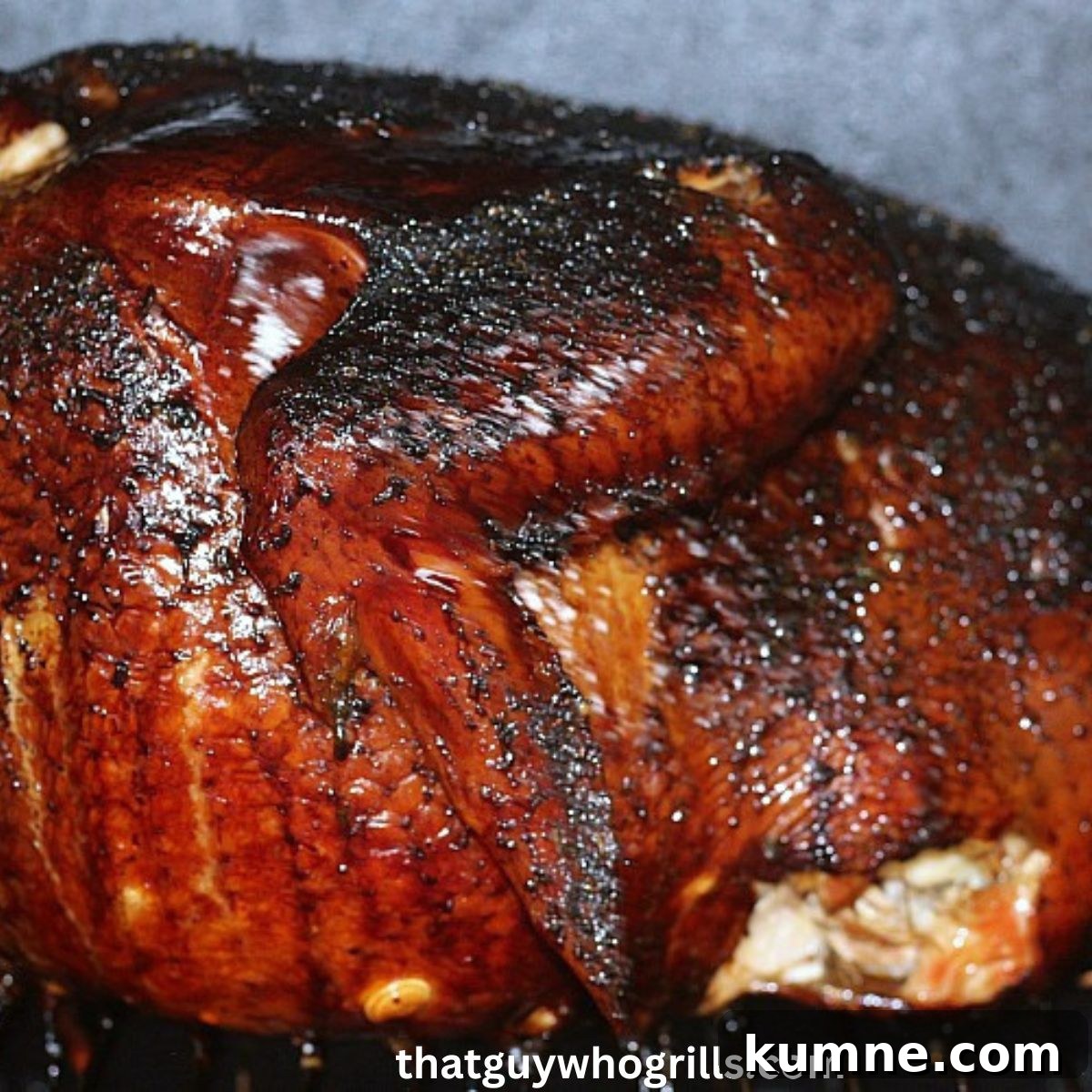
This smoked turkey dry rub will make your bird the star of any holiday table. I’ve been meaning to smoke a turkey for years, and while a brine is worth trying next time, this version uses a simple dry rub that delivers excellent flavor.
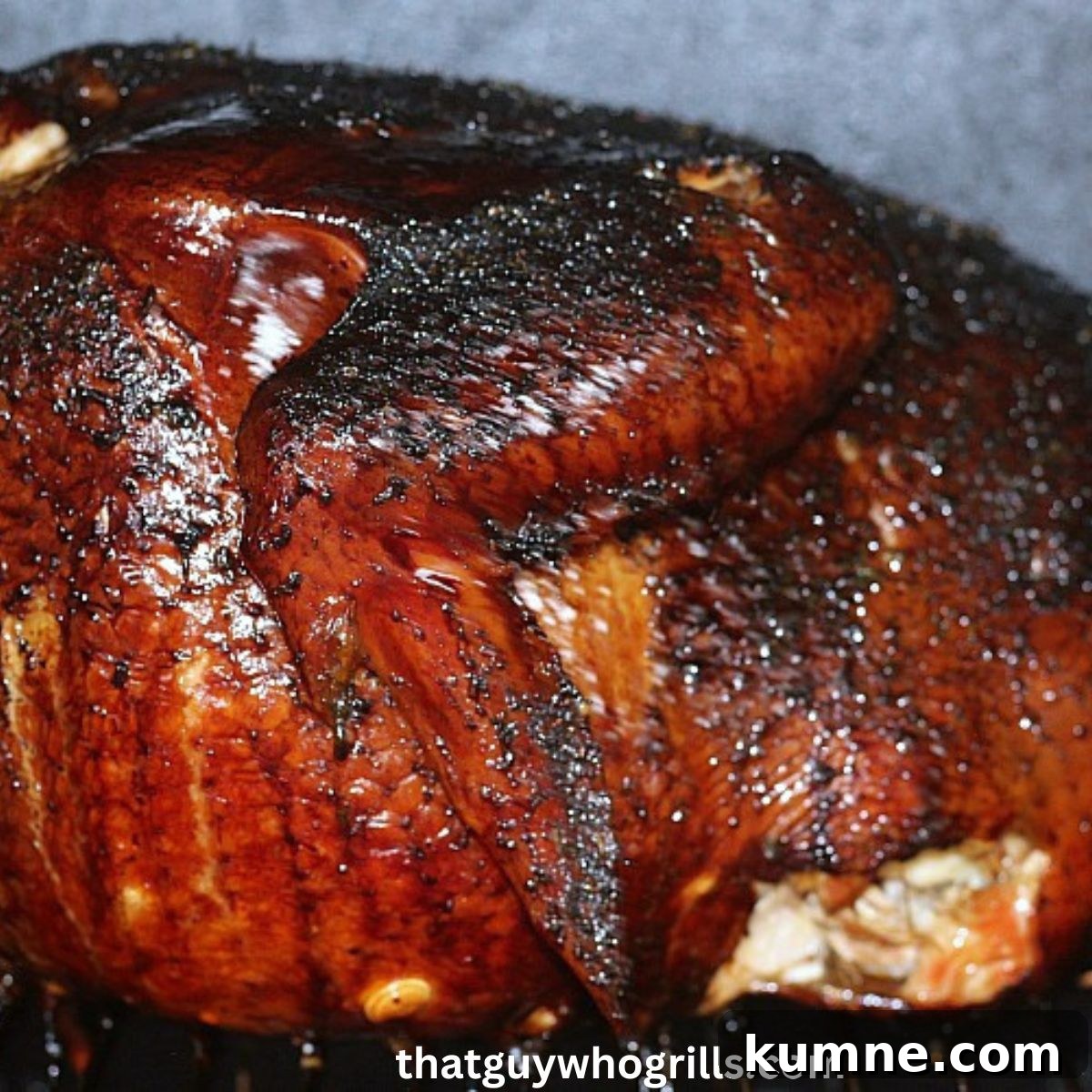
You can smoke this turkey in any smoker; I used a Smoke Hollow vertical electric smoker. I like electric smokers because they hold low temperatures consistently, which lets smoke flavor penetrate the meat.
My preferred method is a low-and-slow smoke—keeping the heat at or below 225°F. I also use smoker pucks and a digital meat thermometer to monitor progress. Below are the ingredients and steps I use to get a juicy, flavorful smoked turkey.
Smoked Turkey and Dry Rub Ingredients
- Turkey
- Avocado oil (or substitute olive oil)
- Truffle oil (optional, for an extra layer of flavor)
- Montreal steak seasoning
- Garlic salt
- Onion powder
- Dried parsley
- Fresh ground black pepper
- Fresh ground pink Himalayan salt
What You’ll Need
- Vertical smoker or your preferred smoker type
- Meat thermometer (instant-read recommended)
- Smoker pucks, chips, or pellets
- Nonstick spray for the rack
How Long to Smoke a Turkey
Smoking time depends on smoker type, turkey size, and cooking temperature. Instead of relying on time alone, always smoke to an internal temperature of 165°F measured in the thickest part of the thigh or breast. As a rough guide:
- 225°F: about 30 minutes per pound
- 250°F: about 25 minutes per pound
- 325°F: about 12 minutes per pound
A common approach is to smoke low for a couple of hours (225°F), then raise the temperature toward the end to speed up cooking. If you increase the temperature, you can tent the turkey with foil to prevent excessive browning.
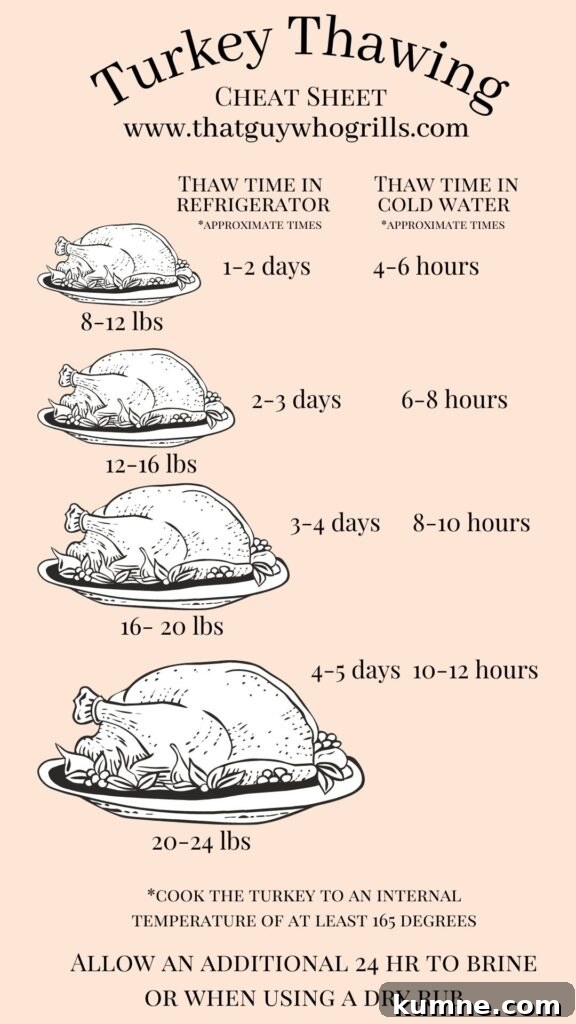
How to Thaw a Turkey
Thawing time varies with turkey size and method. Follow safe food-handling guidelines: thaw in the refrigerator, in cold water changed every 30 minutes, or use the microwave if specified for the turkey weight. Keep the turkey refrigerated until ready to prepare.
How to Make the Smoked Turkey Dry Rub
1. Thaw and prepare the turkey. Always follow safe thawing practices. Remove the turkey from its packaging and take out the innards from the cavity.
2. Preheat the smoker. Bring your smoker up to the desired temperature and get a steady smoke going. I held mine at 200°F for the entire smoke.
3. Oil the bird. Coat the turkey with avocado or olive oil so the seasonings adhere and the skin crisps.
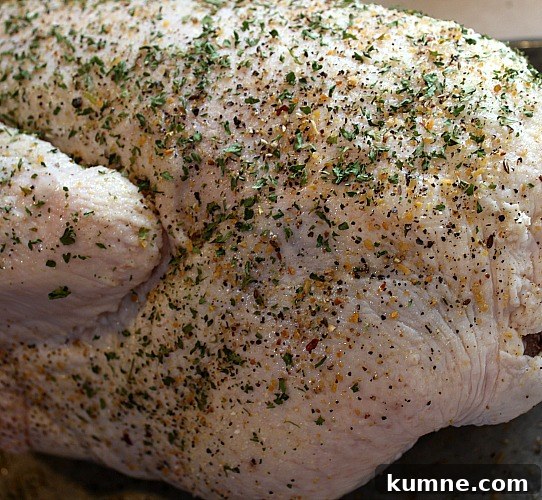
4. Apply the dry rub. Sprinkle the Montreal seasoning, garlic salt, onion powder, dried parsley, fresh ground pepper, and pink Himalayan salt evenly over the turkey to taste. You can prepare the rub and season the turkey a day ahead or a few hours before smoking.
How to Smoke the Turkey
1. Prepare the smoker rack. Spray the rack lightly with nonstick spray to prevent sticking.
2. Place the turkey in the smoker. Put the turkey on the rack once the smoker is at the target temperature.
3. Monitor smoke and heat. Keep an eye on your water pan and fuel source (chips, pucks, or pellets) to maintain steady smoke. Use an accurate meat thermometer to track internal temperature.
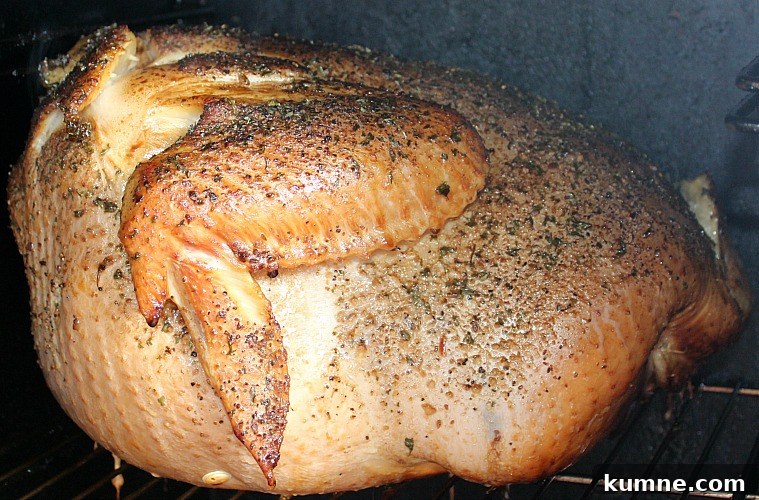
Example: I smoked a turkey for nine hours at 200°F and it reached the correct internal temperature. Your cooking time will vary—always verify the turkey reaches 165°F before removing it from the smoker.
4. Rest and serve. Let the turkey rest so juices redistribute, then carve and enjoy.
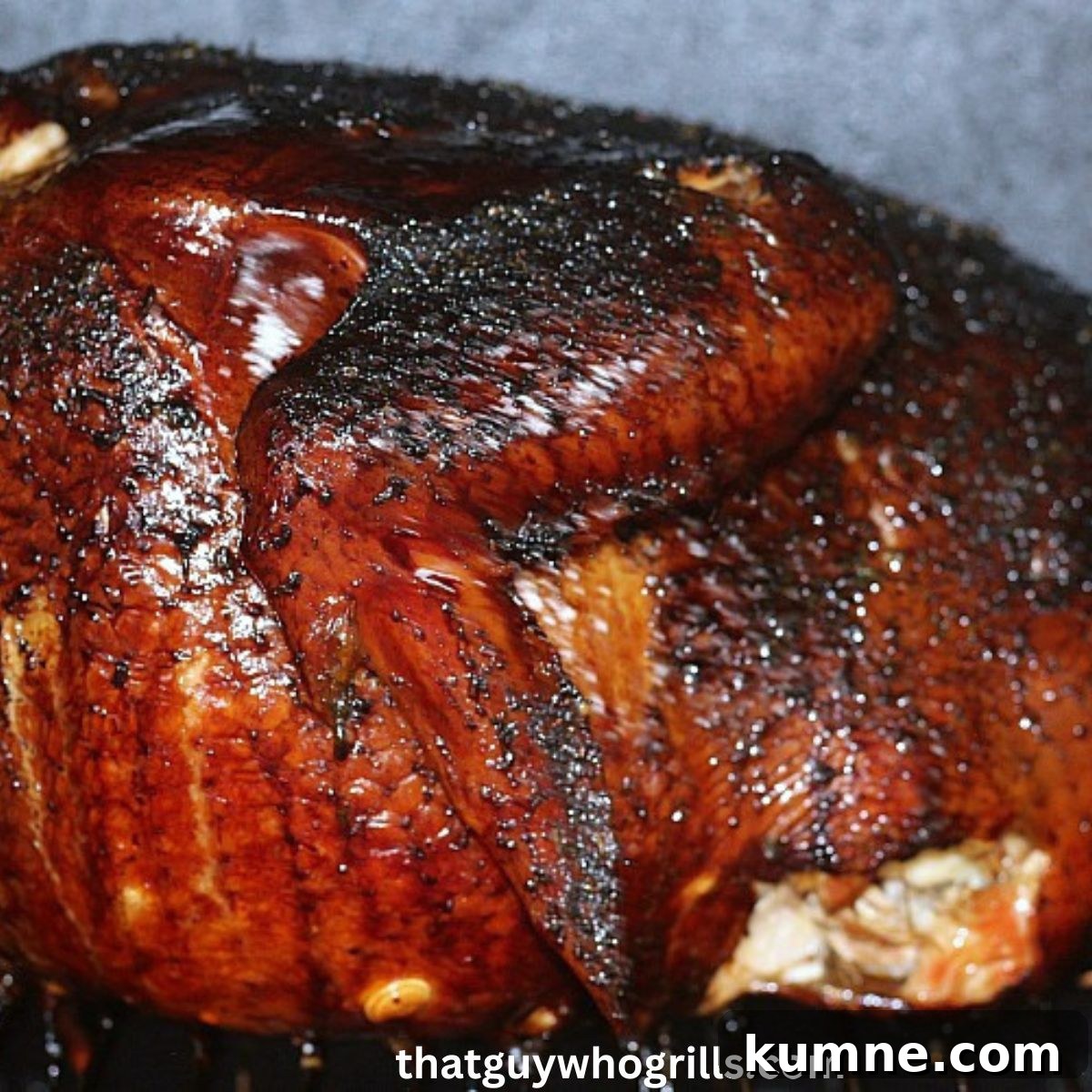
What’s your favorite method for smoking turkey? Try this dry rub approach or experiment with a brine next time to compare results.
How to Store Leftover Turkey
Cool leftover turkey, then store in an airtight container or resealable bag in the refrigerator for up to five days. For longer storage, freeze in a freezer-safe bag or container for up to three months. Vacuum sealing works best for freezer storage, but airtight containers or freezer Ziploc bags are good alternatives. Use a food scale to portion and freeze meal-sized servings.
What to Serve With Smoked Turkey
Smoked turkey pairs well with classic sides—mashed potatoes, stuffing, cranberry sauce, and green bean casserole—or smoked versions of traditional dishes like smoked baked potatoes, smoked mac and cheese, or smoked sweet potato casserole. Bread, smoked appetizers, grilled sides, and a simple dessert complete the meal.
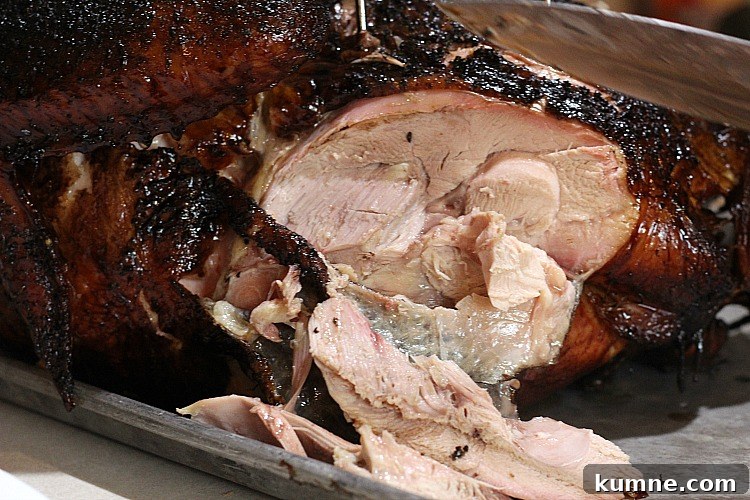
Best Leftover Smoked Turkey Uses
Leftover smoked turkey is excellent in soups, pot pies, casseroles, sandwiches, and salads. It freezes well and works in many recipes that call for cooked poultry.
Notes and Tips
- Always smoke to internal temperature, not just time.
- Season to taste—you can keep the rub light or apply it liberally.
- Consider brining next time for extra moisture and flavor.
- Use an instant-read thermometer for quick, accurate checks.
Enjoy your smoked turkey and the leftovers that follow. If you try this recipe, rest assured it’s a straightforward method that produces a flavorful, tender bird.