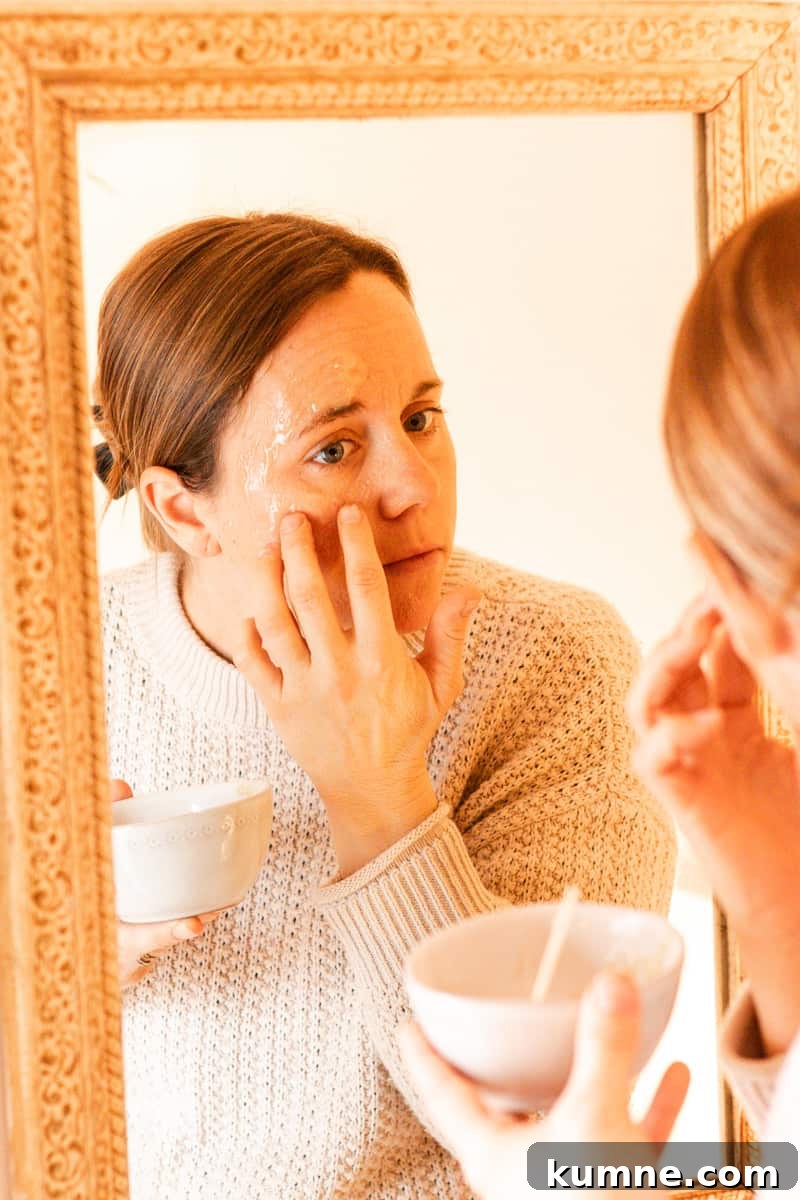
It’s time to explore a baking soda face mask that cleanses and refreshes your skin, helping reveal a brighter, healthier complexion.

Skincare fans, this one’s for you. I first experimented with baking soda while developing my charcoal peel-off mask years ago, and since then I’ve refined a simple baking soda mask I’m happy to share. I also occasionally use a baking soda hair rinse, but that’s a different topic.
If you want a natural, budget-friendly way to help clarify and brighten your skin, this baking soda face mask is an easy option to try.
This post contains affiliate links, which means I may earn a small commission at no extra cost to you. See my full disclosure on the original site.
Baking soda face mask recipe
Ingredients:
- 2 teaspoons baking soda
- 2 teaspoons sunflower oil
- 1 tablespoon honey
Note: Always do a patch test before using this mask. Apply a small amount on your wrist or behind your ear and wait 5–10 minutes. If you see tingling, redness, or pain, do not use.
Baking soda face mask instructions:
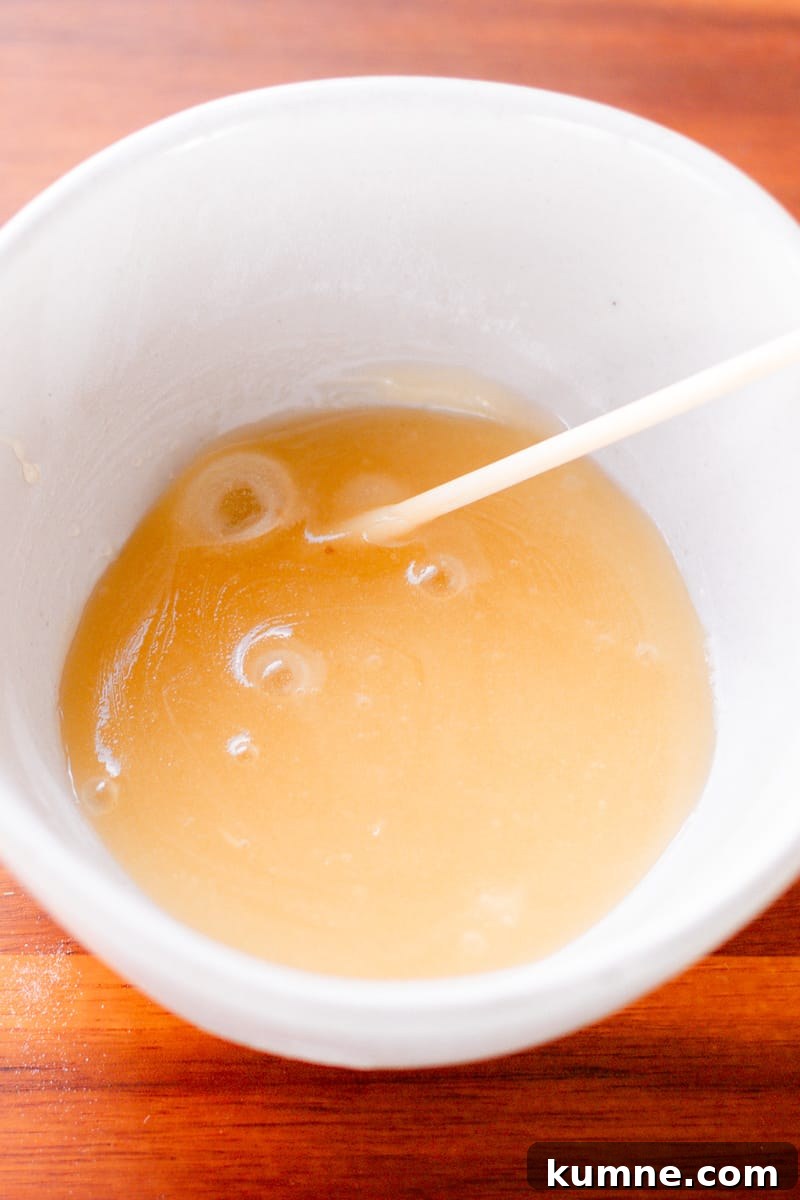
Step 1: Mix all ingredients in a small bowl until you get a smooth paste.
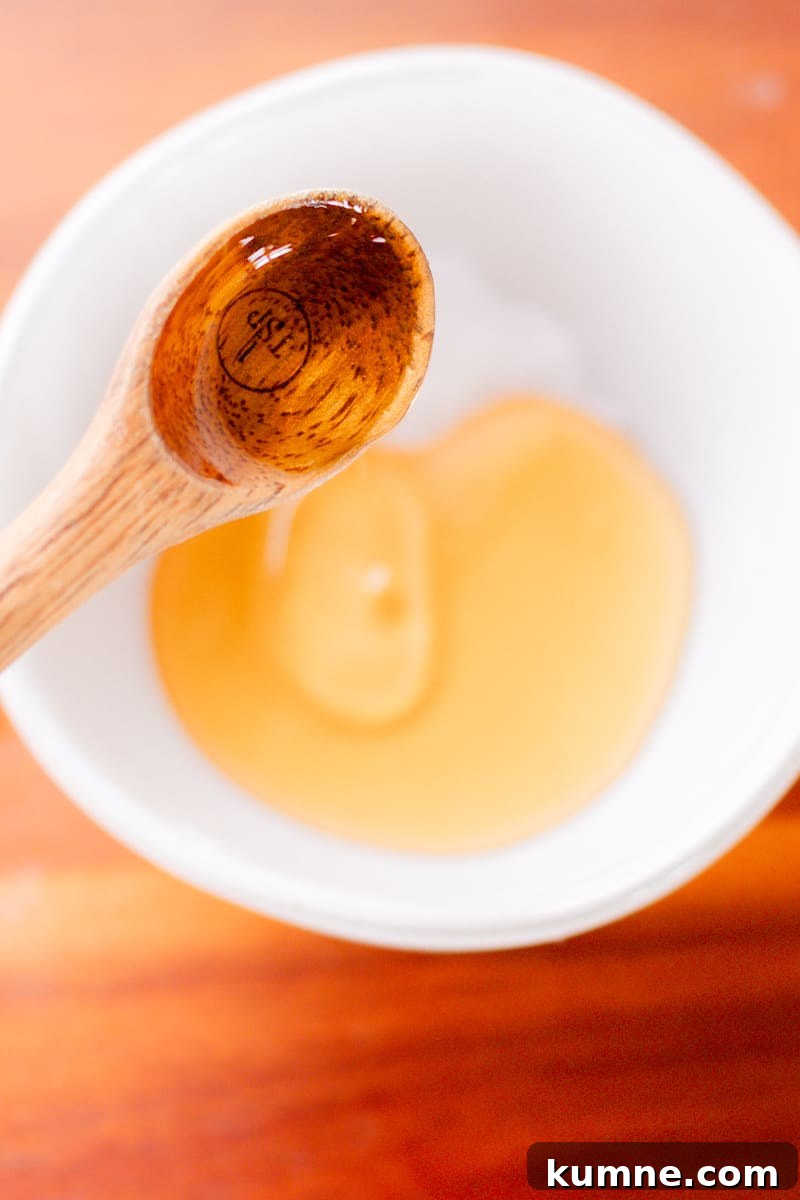
Step 2: Cleanse your face thoroughly and gently pat it dry.

Step 3: Apply a thin, even layer of the mask with your fingertips, avoiding the eye area, nostrils, and lips. You can gently massage in circular motions for about a minute to help exfoliate.
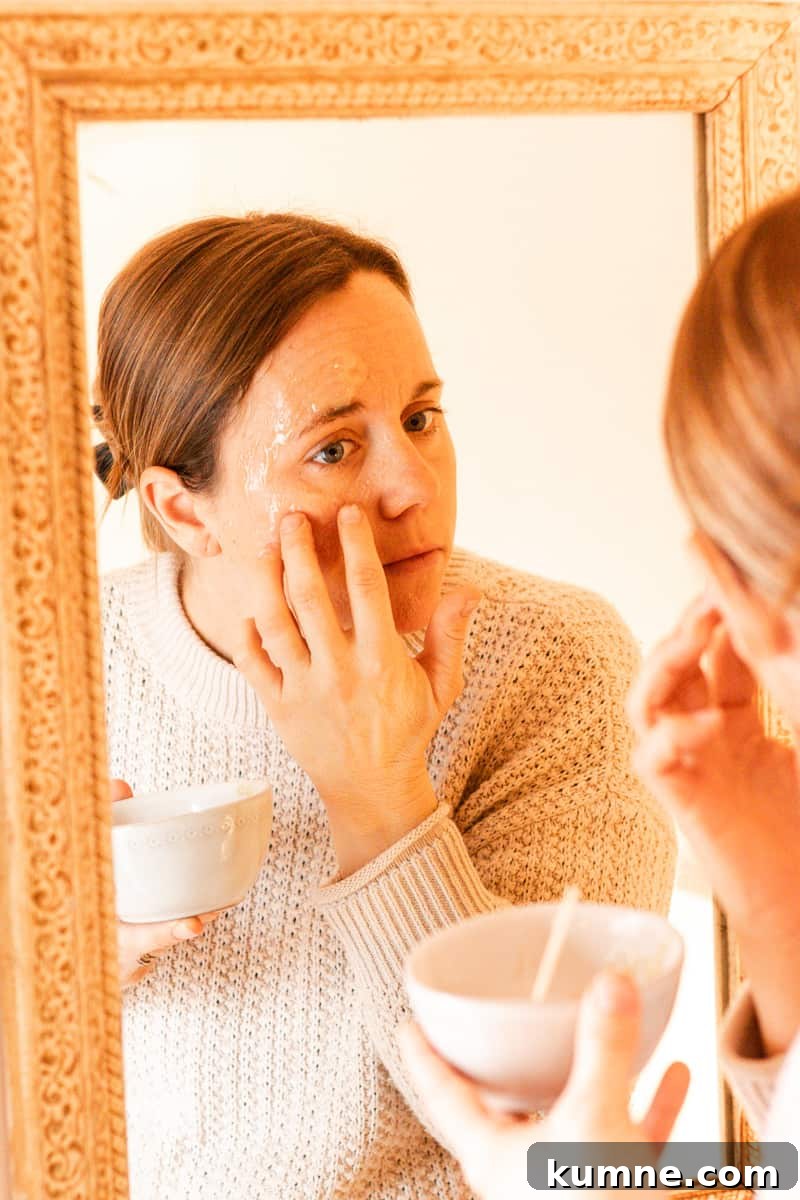
Step 4: Leave the mask on for 5–10 minutes. It should sit as a paste — not too runny and not completely dry.
Step 5: Rinse with warm water using your hands, a soft washcloth, or cotton, then splash with cool water to help tighten pores. Pat your face dry and follow with a moisturizer.
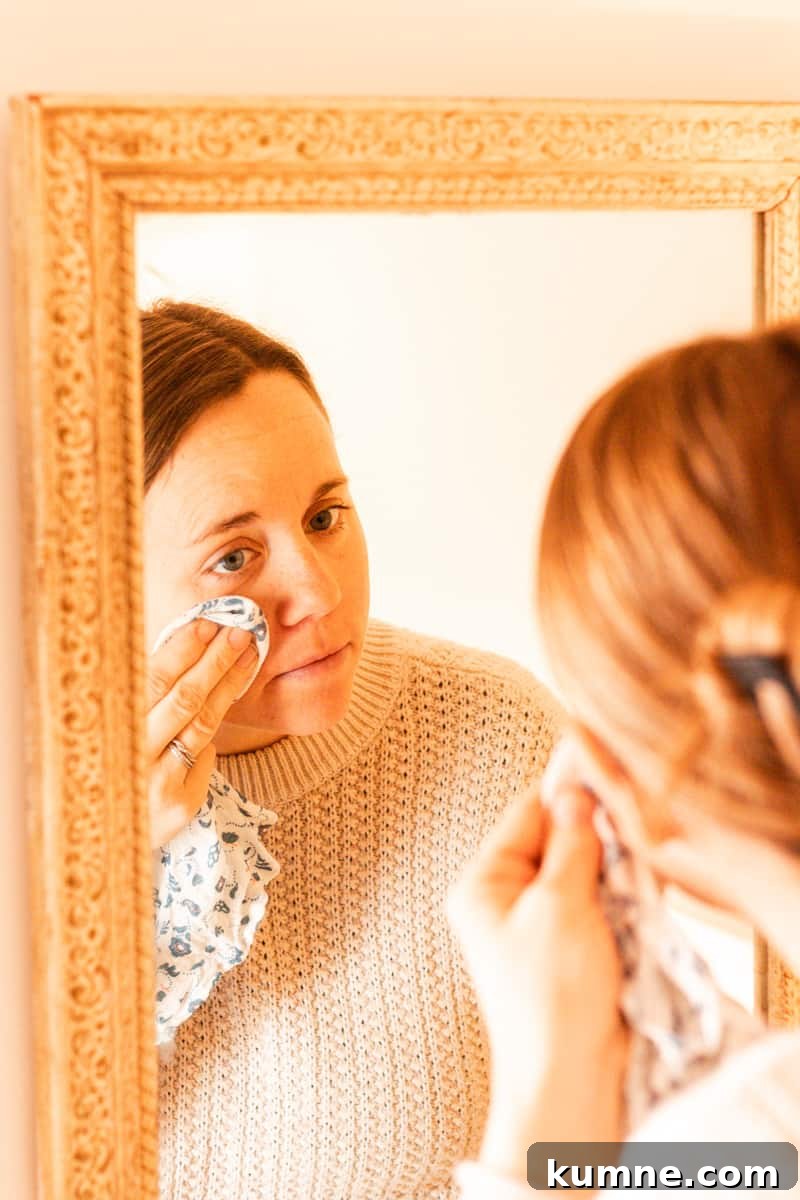
Application tips
Apply a thin layer evenly across the face and avoid the delicate eye and mouth areas. Massage gently for a short time, then rinse after 5–10 minutes. Finish with a hydrating moisturizer. I use this mask about once or twice a month, adjusting based on how my skin responds.
What is a baking soda face mask?
A baking soda face mask combines baking soda with natural ingredients like sunflower oil and honey to gently exfoliate and cleanse the skin. Like other masks, you apply it, leave it on briefly, then rinse to refresh your complexion.
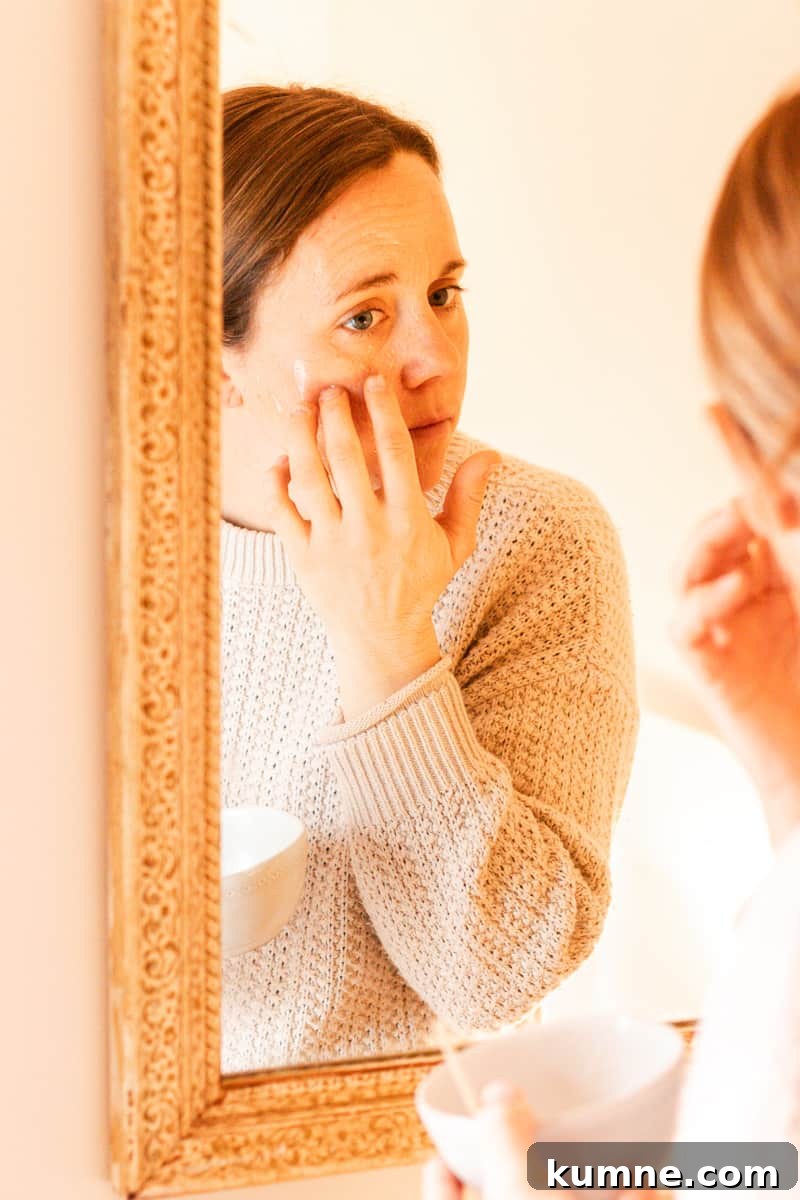
Why you’ll love this recipe
Easy: Simple to make with pantry staples and quick to use.
Effective: The combination of baking soda, oil, and honey delivers mild exfoliation, cleansing, and hydration.
Budget-friendly: All ingredients are affordable and widely available.
Benefits of a Baking Soda Face Mask
This mask can offer several benefits when used appropriately:
- Exfoliation: Baking soda’s fine texture gently helps remove dead skin cells, leaving skin smoother.
- Brightening: Regular, gentle use can help refresh dull skin.
- Pore cleansing: The paste can help clear debris from pores and improve appearance.
- Honey’s benefits: Honey adds natural moisture and soothing properties suitable for many skin types.
- Matte finish: Baking soda can reduce surface oiliness when combined with other ingredients (don’t use baking soda alone on skin).
- Affordable: Ingredients are inexpensive compared with many commercial products.
Safety precautions
- Patch test: Always test the mask on a small area first to check for sensitivity.
- Avoid over-drying: Baking soda is mildly alkaline and can be drying if overused.
- Frequency: Start with once or twice a month and adjust according to your skin’s reaction.
- Moisturize: Apply a good moisturizer after rinsing to restore hydration.
- Sun care: Skin may be more sensitive to sunlight after treatments; apply sun protection if needed.
- Discomfort: If you experience persistent redness or pain, stop use and consult a dermatologist.
- Medical advice: Check with your healthcare provider if you have concerns; this mask is not a treatment for medical skin conditions.
FAQs
Is baking soda good for your face?
When used cautiously, baking soda can help reduce oiliness, provide mild exfoliation, and offer a gentle cleansing effect that may contribute to a clearer complexion for some people.
Are there side effects to using baking soda on the face?
Some people may experience dryness or irritation, particularly those with sensitive skin. Always patch test and follow safety guidance above. If your skin is sensitive, consider gentler masks such as matcha or rose clay alternatives.
Can baking soda help with blackheads?
Some people find a baking soda paste can help exfoliate and reduce the appearance of blackheads by loosening debris in pores. Results vary by individual, so monitor how your skin responds.
Enjoy this recipe!
I hope you enjoy this baking soda face mask. Many notice visible improvement after one use, but results depend on skin type and consistency of use. Use sparingly if your skin tends to be dry.
If you try this recipe and like it, consider leaving a review on the original post. For more DIY masks and skincare ideas, explore other recipes on the site.
Baking Soda Face Mask

Pin
Equipment
-
Spoon
-
Small bowl
Ingredients
- 2 teaspoons of baking soda
- 2 teaspoons of sunflower oil
- 1 tablespoon of honey
Instructions
-
Combine all the ingredients together in a small bowl.
-
Cleanse your face and gently pat dry.
-
Apply the mask with fingertips, avoiding eyes, nose, and mouth. Massage gently for about a minute if desired.
-
Leave on for 5–10 minutes, then rinse with warm water and finish with a cool splash.
-
Pat dry with a clean towel and apply your favorite moisturizer.
Notes
This recipe is for informational purposes and is not intended as medical advice. Perform your own tests and consult a professional if you have concerns.