Am I showing my age if I admit I grew up on Flintstones vitamins? I can still taste them—a strange artificial fruit flavor blended with chalky aftertaste.
Looking at the ingredients in traditional Flintstones chewables now, it’s clear they contain multiple artificial colors and flavors, hydrogenated vegetable oil, retinyl acetate, sugars, and common allergens like wheat and soy.
I get asked a lot which kids’ vitamins are better. This guide covers:
- Key ingredients to prioritize
- What to avoid
- Top picks for cleaner multivitamin brands
- Other practical considerations
Important: I am not a doctor. This article focuses on selecting products with safer ingredients and minimizing contamination risk, not on individualized medical advice. Every child is different—talk to your pediatrician about long-term supplementation for your child.
Do kids really need to take vitamins?
Sometimes yes, sometimes no.
Some critics argue that supplements are wasteful because excess vitamins are excreted, but the reality is more complex. Many children are deficient in key nutrients. For example, data indicate high rates of vitamin D deficiency in young children. Other common shortfalls include iron, calcium, and vitamin A.
Causes of deficiency vary:
- Modern diets are often more processed and less nutrient-dense.
- Many children are picky eaters and may not consume a diverse diet.
- Limited sun exposure can lead to low vitamin D.
- Poor absorption due to medical conditions, genetics, or infections can reduce nutrient uptake.
- Environmental toxicants—heavy metals, pesticides, and endocrine disruptors—can interfere with nutrient absorption and metabolism.
So yes, a lot of people—children included—struggle to get all necessary nutrients, and supplementation can help fill gaps. That said, getting nutrients from whole foods, water, and sunshine is preferable when possible because whole-food sources often provide better absorption and a broader complement of co-factors that work synergistically.
In practice, supplements should fill gaps rather than replace a healthy diet and lifestyle.
What to look for in a high-quality children’s vitamin
- Whole-food sources: Prefer vitamins derived from real fruits and vegetables when available.
- Bioavailability: Choose nutrient forms that are well absorbed and gentler on the body—examples include methylated folate (5-MTHF) over folic acid, magnesium glycinate over magnesium oxide, and natural vitamin E (d-alpha-tocopherol) over synthetic forms.
- Targeted nutrients: Ensure the product provides core nutrients like vitamin D, vitamin C, and zinc. If a child is tested and found deficient in a specific nutrient (iron, for example), prioritize products or targeted supplements that address that deficiency under a doctor’s guidance.
- Third-party testing: Dietary supplements have limited regulation, so look for brands that use third-party testing to confirm ingredient accuracy and screen for contaminants such as heavy metals, mycotoxins, and pesticides.
- Clean Label Project certification: When available, this certification gives extra assurance that a product has been screened for contaminants like heavy metals, BPA/BPS, and pesticides. The Clean Label Project has several tiers—Certified, Purity Award (top performers), and Pesticide Free certification—so check which applies to the product you’re considering.
What to avoid in kids’ multivitamins
- Added sugars: Many kids’ vitamins include unnecessary sugars. Low- or no-sugar options are preferable.
- Artificial additives: Synthetic dyes and artificial flavors are unnecessary and best avoided.
- Unnecessary fillers and synthetic ingredients: Avoid ingredients like hydrogenated oils, excessive magnesium stearate, and other fillers when possible.
These ingredients aren’t likely to cause immediate harm at supplement doses, but because daily use can add up over time, choosing cleaner formulations makes sense when feasible.
A note on heavy metals in foods and supplements
It’s common for healthy foods to contain small amounts of heavy metals like lead and cadmium because crops absorb metals from soil and water. That means even well-sourced, whole-food-derived supplements can contain trace amounts.
The practical approach is to choose brands that minimize heavy metal levels, test regularly, and keep contaminants as low as possible. Meeting benchmarks such as California’s Prop 65 limits is a reasonable standard of care.
A note about “Natural Flavors”
Many kids’ vitamins, even reputable ones, use “Natural Flavors.” This label is nonspecific and can potentially include residual solvents or undisclosed components. While not ideal, many Clean Label–certified products include natural flavors, and the small amount consumed via vitamins is typically not a major exposure compared with other dietary sources. For many families, the benefits of a palatable product that a child will actually consume outweigh the small potential risk.
My picks for clean kids’ vitamins (ingredients and organic options)
EllaOla
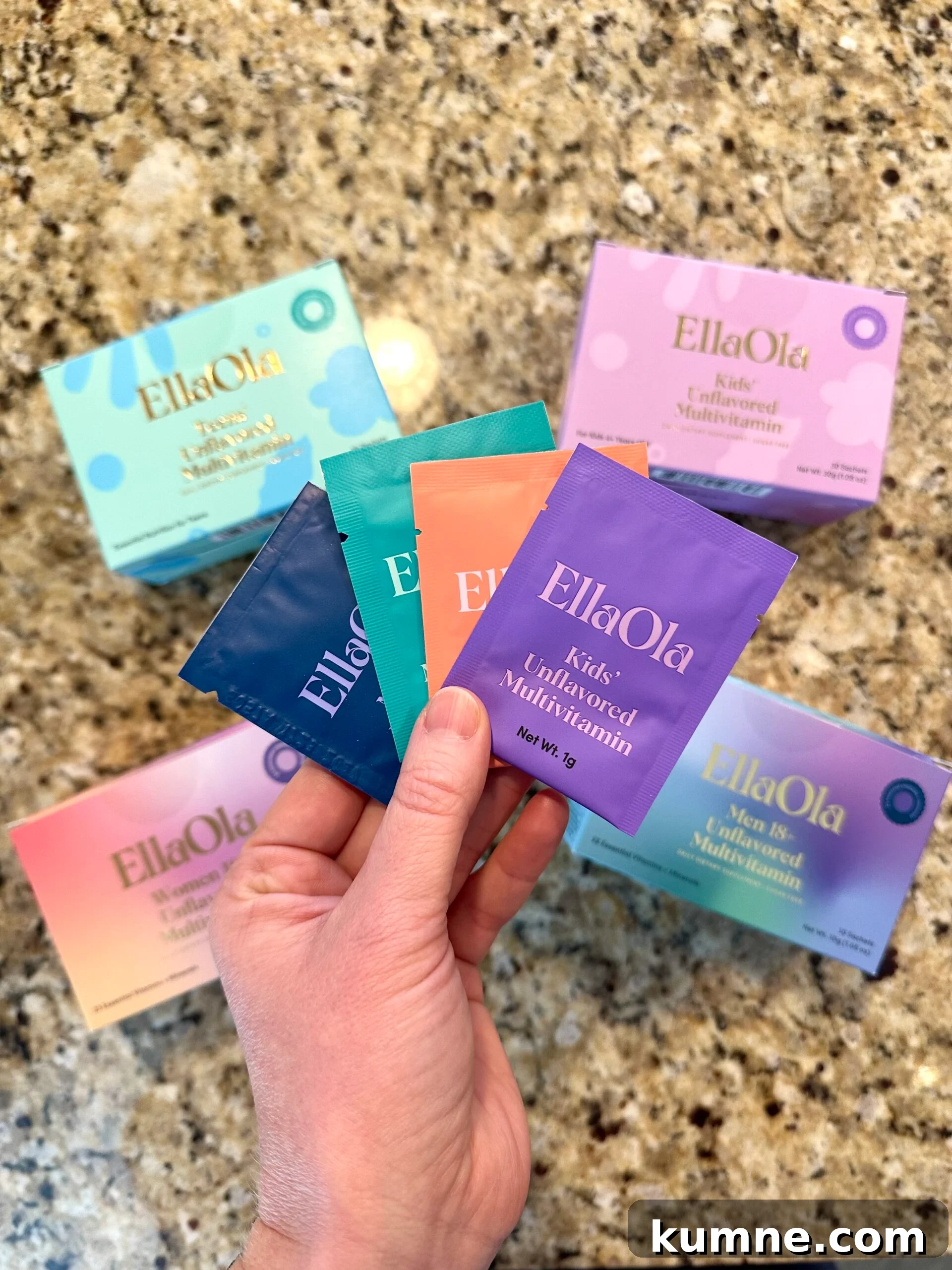
EllaOla offers powdered, non-chewable packets that dissolve into foods or drinks—useful for picky eaters. Their Unflavored option has earned Clean Label Project recognition and a Purity Award, and contains zero sugar, no artificial sweeteners, dyes, or unnecessary additives. Ingredients come from real (mostly organic) fruits and vegetables; products are vegan, gluten-free, and free from the top common allergens. The single-use packets create more waste, which is the primary downside for some families.
Mary Ruth’s
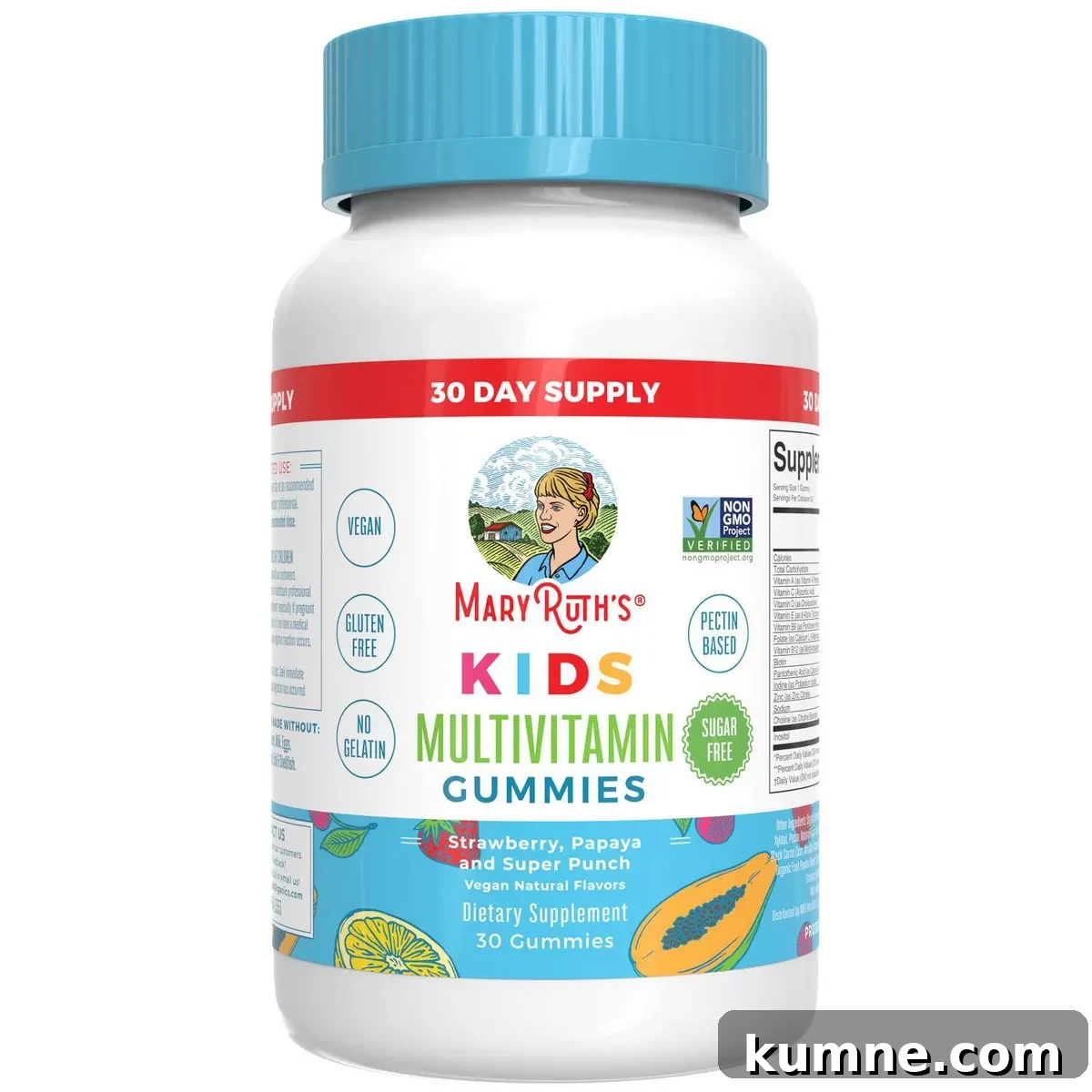
Mary Ruth’s offers a wide range of formats and life-stage-specific options—liquids, gummies, and targeted supplements. Many products are Clean Label Project certified and USDA organic, and they avoid common allergens such as gluten, dairy, and nuts. Some formulations use natural flavors, but the brand’s third-party testing and certifications provide additional assurance.
Llama Naturals
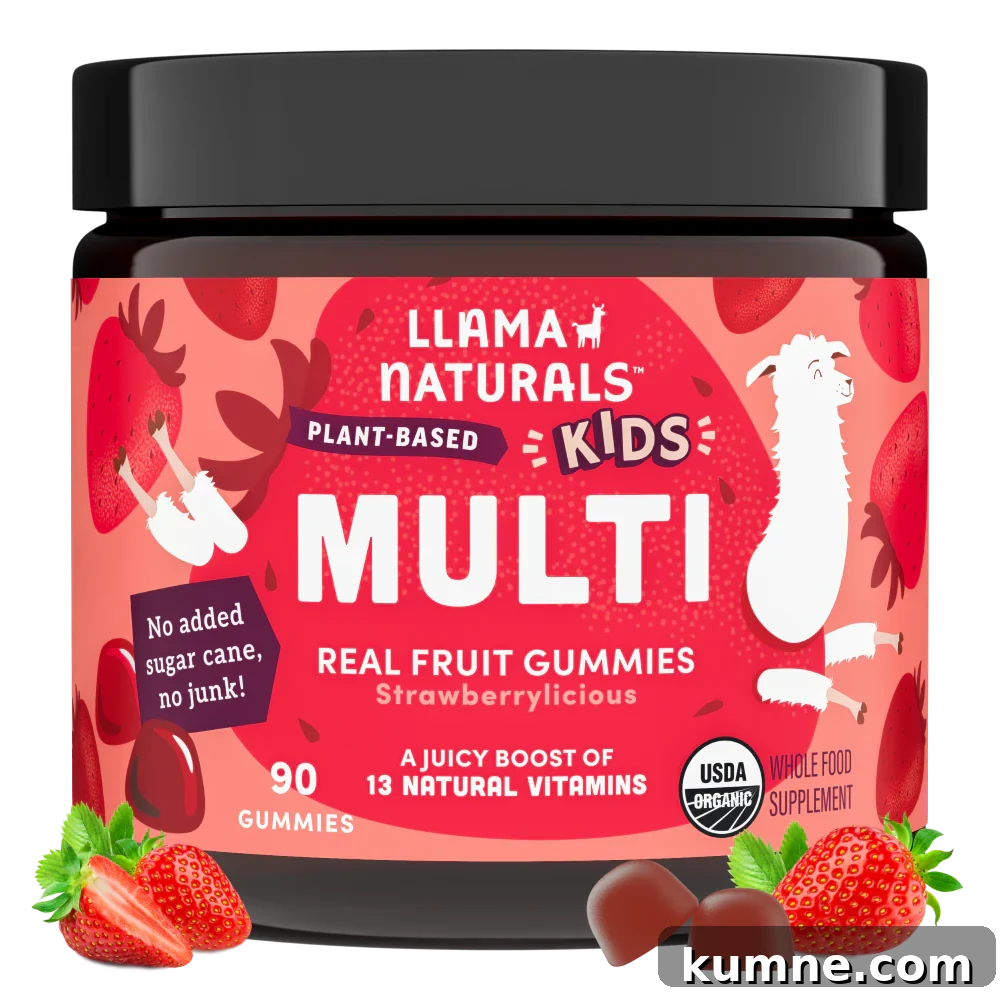
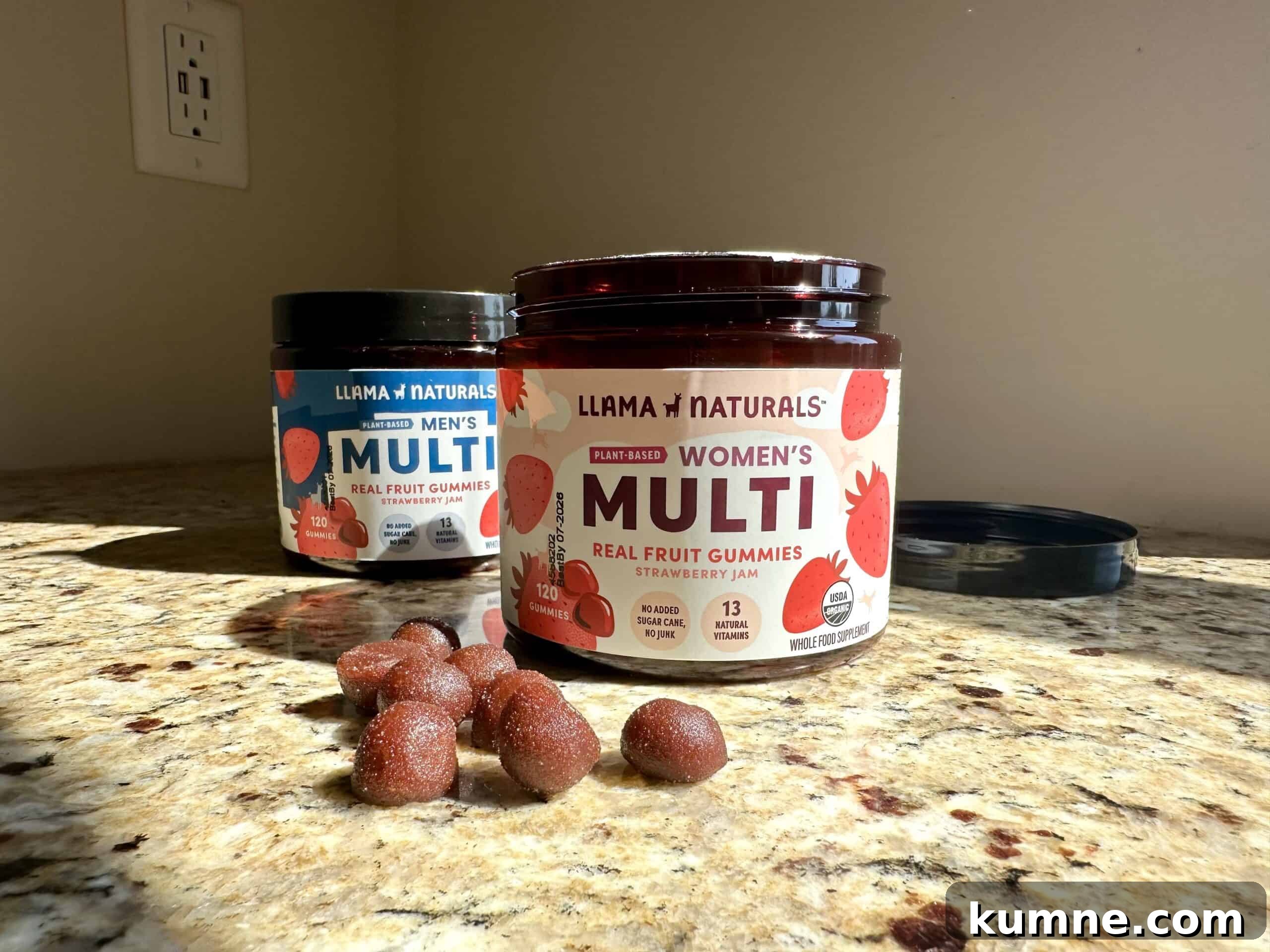
Llama Naturals is USDA organic and uses organic fruits and vegetables for nearly all ingredients. They avoid synthetic additives and common allergens, and they provide third-party testing from reputable labs such as Eurofins showing contaminants below reporting limits. Their formulas are tasty without sticking to teeth, making them a good choice for families who prefer gummies made from whole-food sources.
SmartyPants
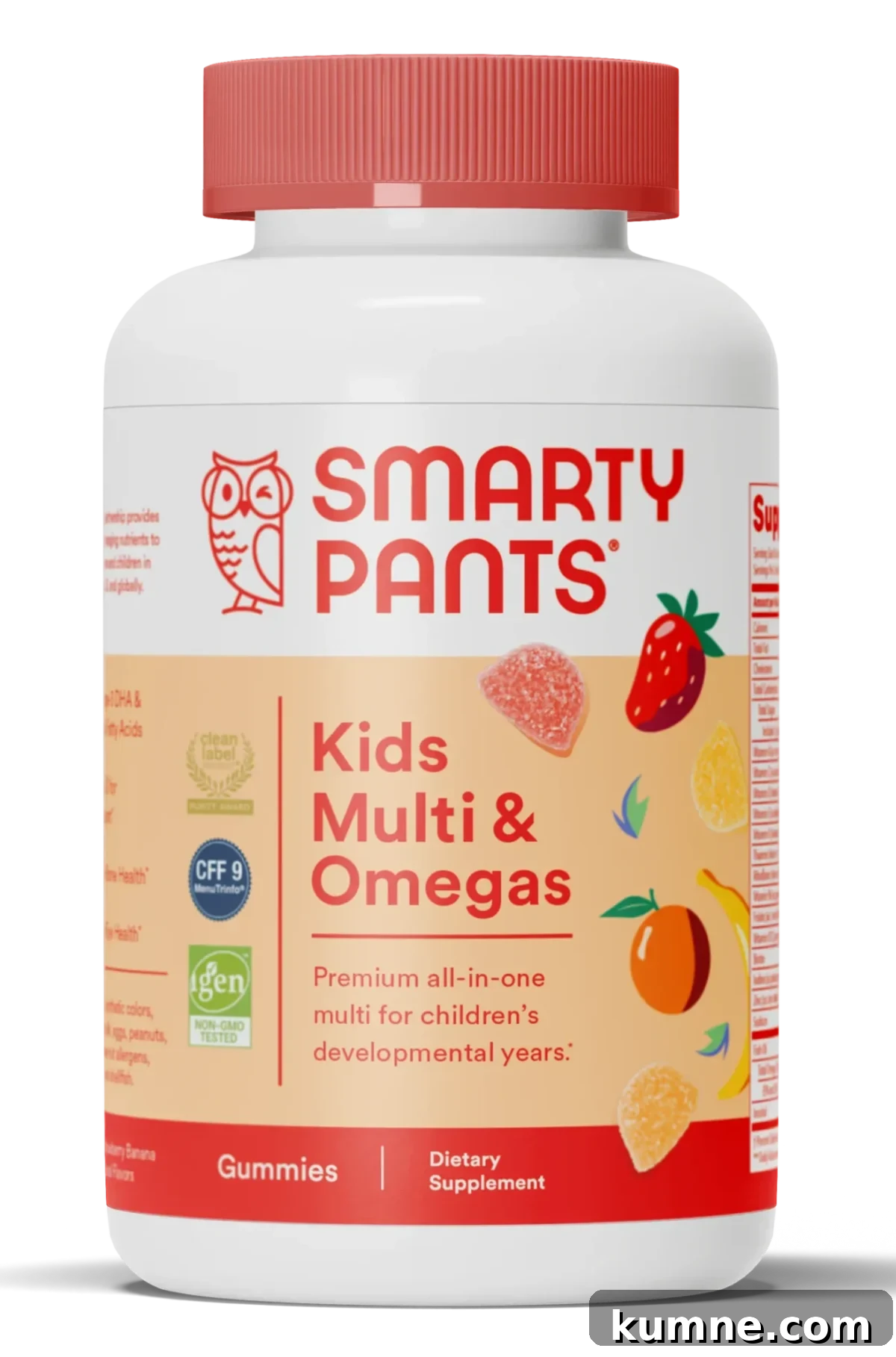
SmartyPants holds Clean Label Project certifications, including a Purity Award and pesticide-free recognition. They conduct third-party testing at multiple production stages and aim for Prop 65 compliance. Ingredients vary by product—some use allulose or monk fruit and include “natural flavors”—but the brand avoids synthetic colors, artificial preservatives, and many common fillers. Note that many SmartyPants products contain gelatin and are not vegan. SmartyPants is owned by a larger company, so check labels if vegan or organic status matters to you.
First Day
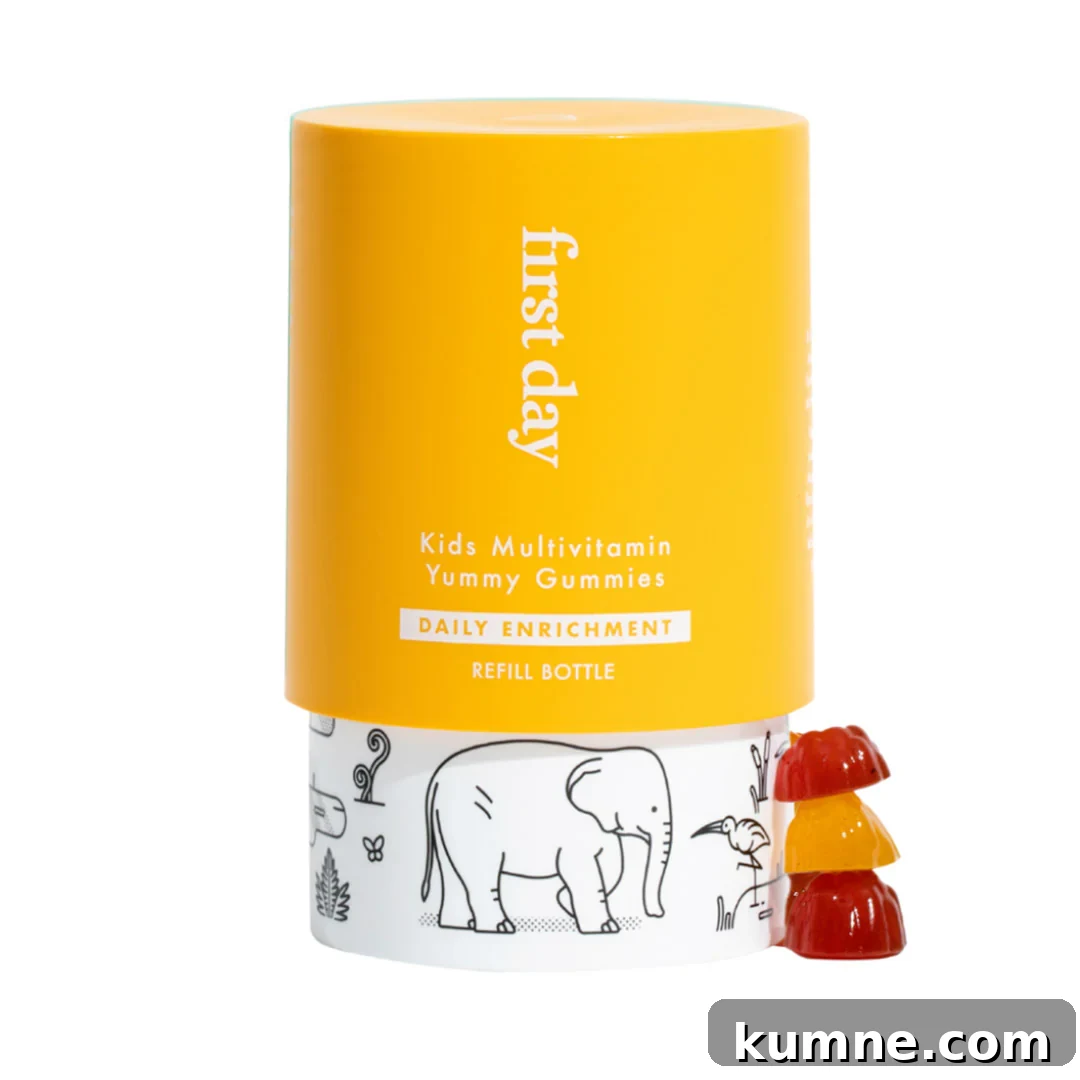
First Day is Clean Label Project certified and sources many ingredients from organic fruits and vegetables. Some products include natural flavors and they perform third-party contaminant testing, though they do not currently publish all test results. First Day offers multiple formulations for kids, teens, and adults, plus supplemental options like probiotics and magnesium.
Grüns
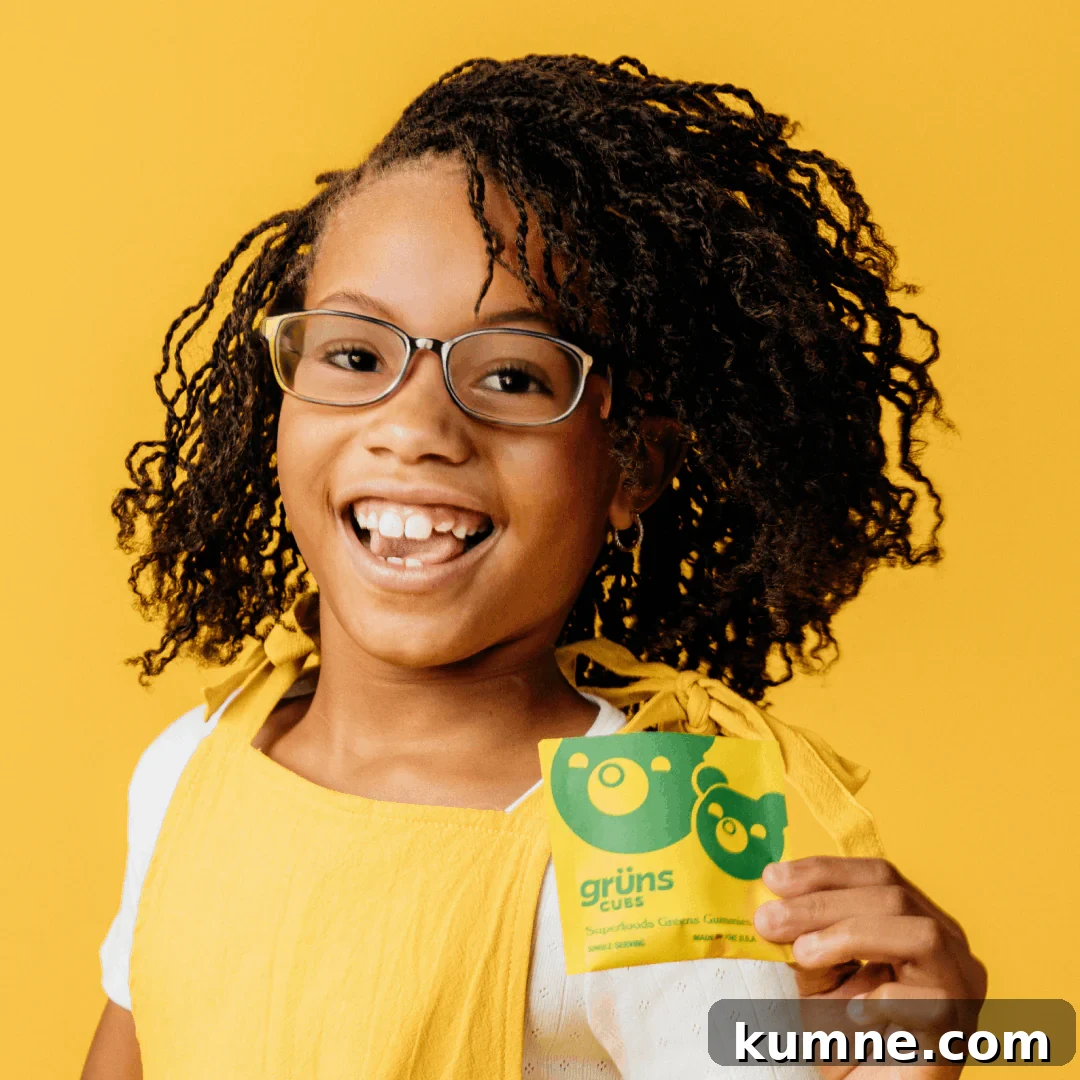
Grüns is like a gummy version of greens powder—packed with many vitamins plus adaptogenic mushrooms and prebiotics. One serving is large (eight gummies), so palatability matters. Grüns tests each batch for pesticides, heavy metals, microbial contaminants, and more at third-party labs such as Eurofins, and they provided a certificate of analysis upon request. Their products are vegan and free from dairy, gluten, and nuts.
Ritual (for teens)
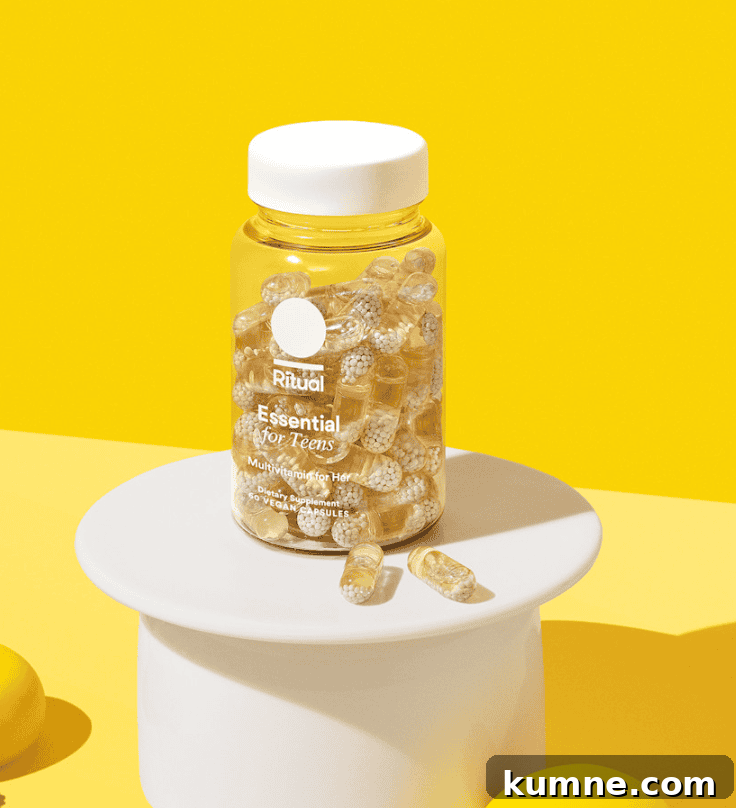
Ritual offers teen-specific formulas and is Clean Label Project certified with a Purity Award. Their Made Traceable® initiative provides ingredient traceability and research links. Products are vegan, non-GMO, and free from artificial colorants; however, some vitamins are supplied in synthetic forms. Ritual emphasizes transparency about sourcing and evidence for ingredients.
Thorne (for teens)
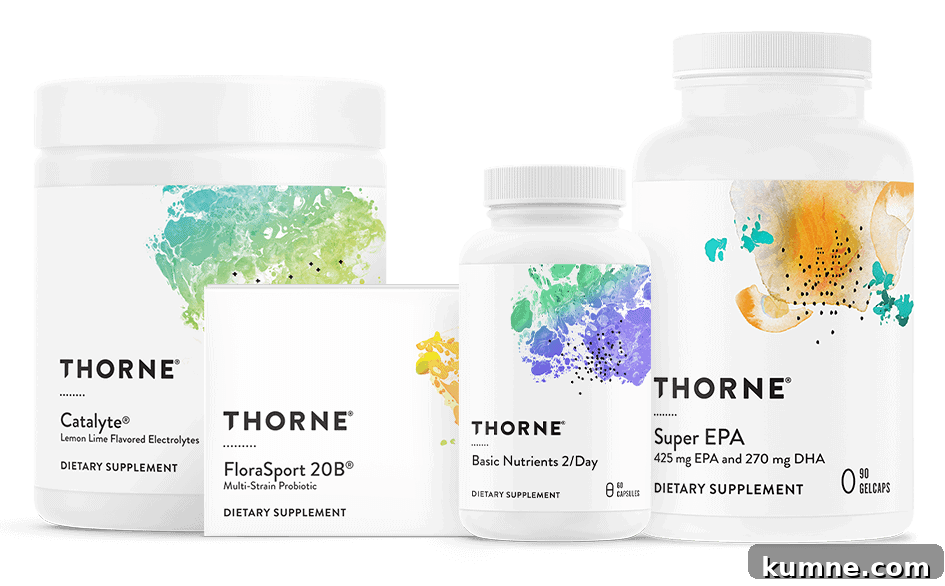
Thorne is a trusted clinical brand with extensive testing and an NSF Certified for Sport designation on many products. Their Youth Bundle and Basic Nutrients formulas are popular for teens. Thorne tests raw materials, in-process samples, finished products, and stability. They maintain a “No List” excluding many concerning additives and allergens, though some products may carry Prop 65 warnings depending on ingredients.
What about Hiya?
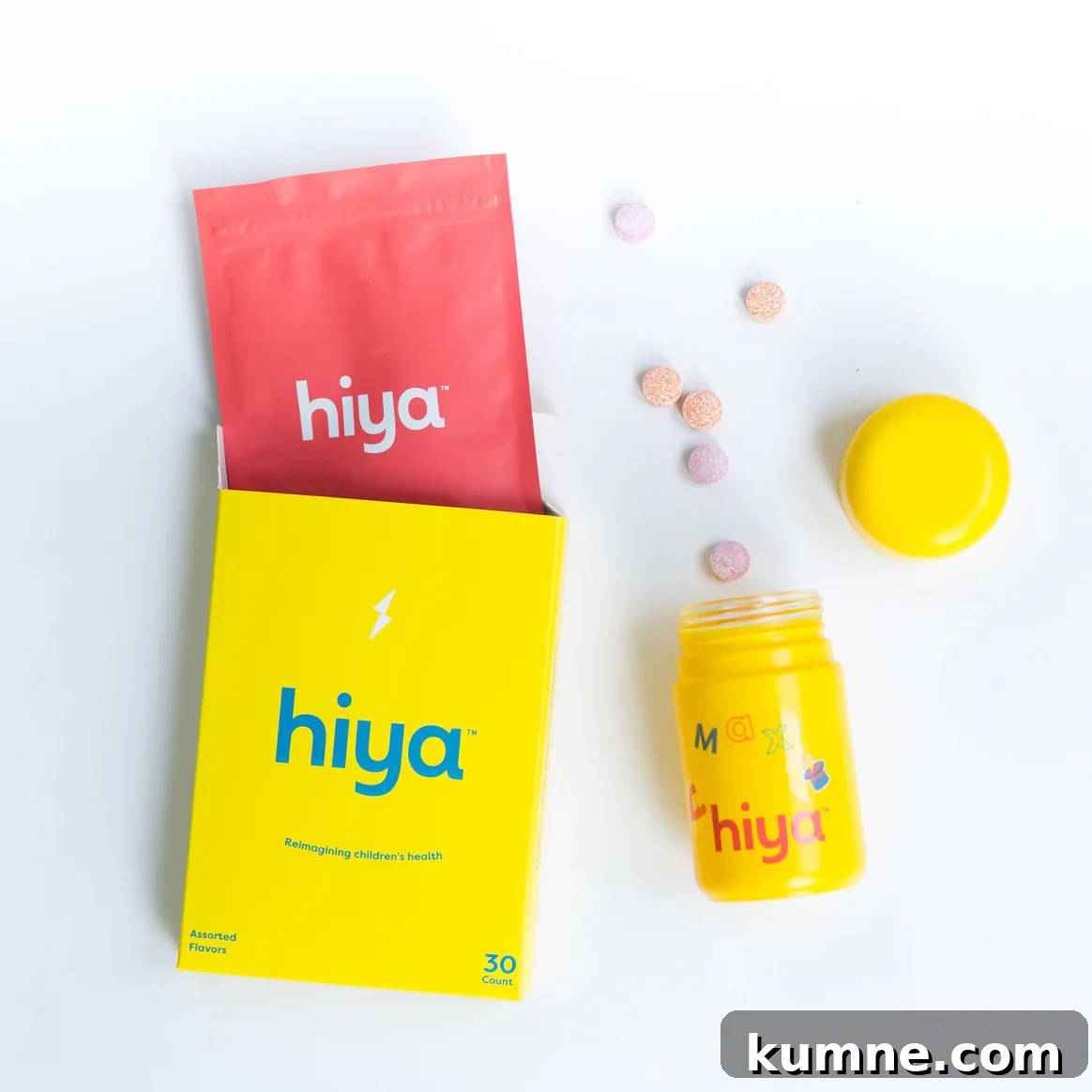
Hiya has been very popular among parents and clinicians for its vitamin strips and transparent testing claims. However, consumer testing by independent groups raised concerns after detecting elevated lead, cadmium, and arsenic in some batches. Hiya conducts third-party testing and shares some reports, but the consumer testing prompted debate. In cases like this, I recommend waiting for clear third-party confirmation and additional transparency before making firm judgments. Heavy metals can be present at low levels in many whole-food ingredients, so context and testing consistency matter.
I hope this guide helps you navigate vitamin choices for kids. If you have favorite brands that weren’t included, share them in the comments.
To get more non-toxic lifestyle tips, product picks, and news, consider signing up for a weekly newsletter from trusted sources and consult your child’s doctor for tailored advice.