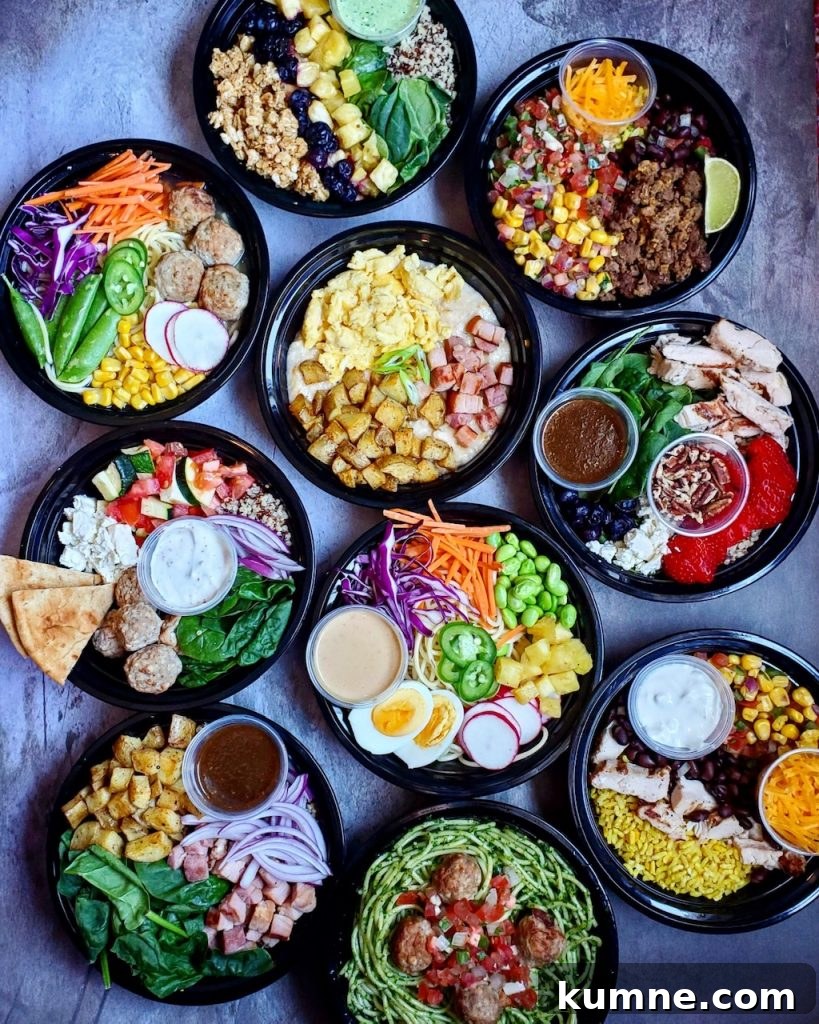
Students often eat with their eyes first. When serving meals in schools, thoughtful presentation helps make food more appealing as students move quickly through the serving line. Simple plating techniques, clear labeling, and careful preparation all contribute to meals that look fresh and inviting.
Here are practical tips to follow during preparation to ensure an attractive final dish:
Take time to brown the beef
Browning beef over high heat—using equipment like a tilt skillet—develops both flavor and color. When browning beef, do not cover the pan. For example, if using a tilt skillet, keep the lid open to allow proper browning.
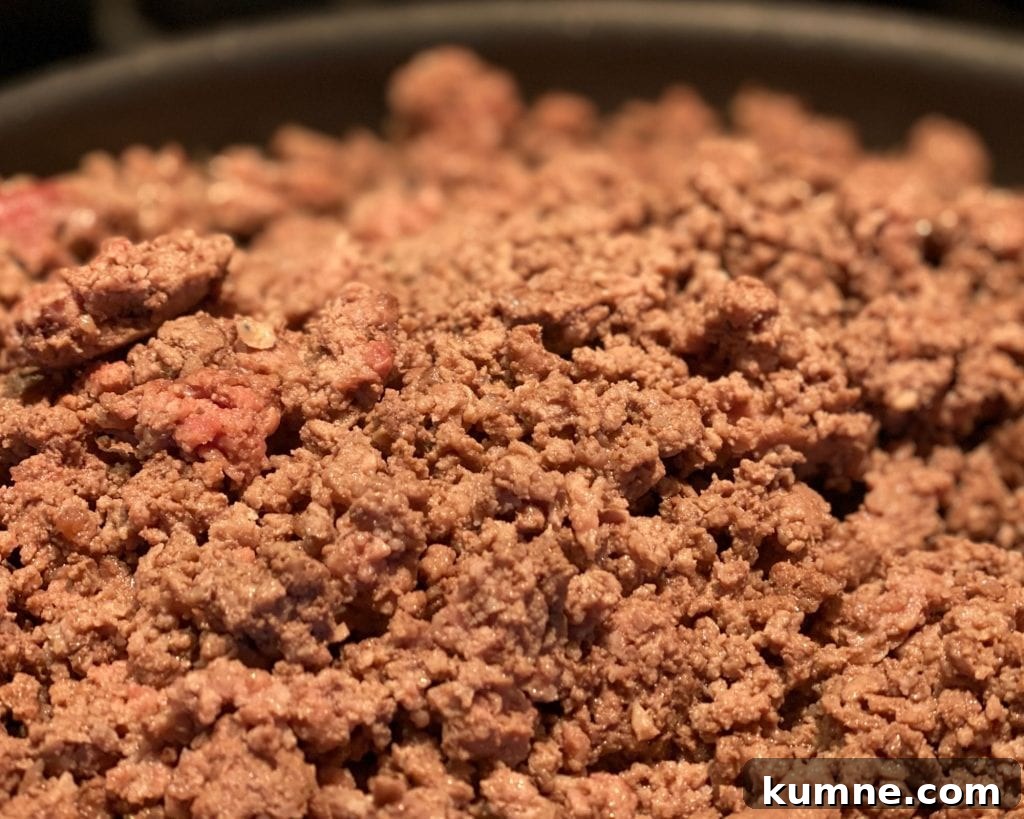
Do not over-stir. To achieve a good sear, let the meat sit undisturbed on the hot surface so it can brown. For best results, break the raw meat apart, place it in the skillet, press down with a metal spatula and let it sit 5–6 minutes before flipping. Once the surface is nicely browned, you can break it apart and move it more frequently. Cook over medium heat until at least half the liquid has evaporated to concentrate flavor and improve appearance.
Batch cook to create visually appealing meals
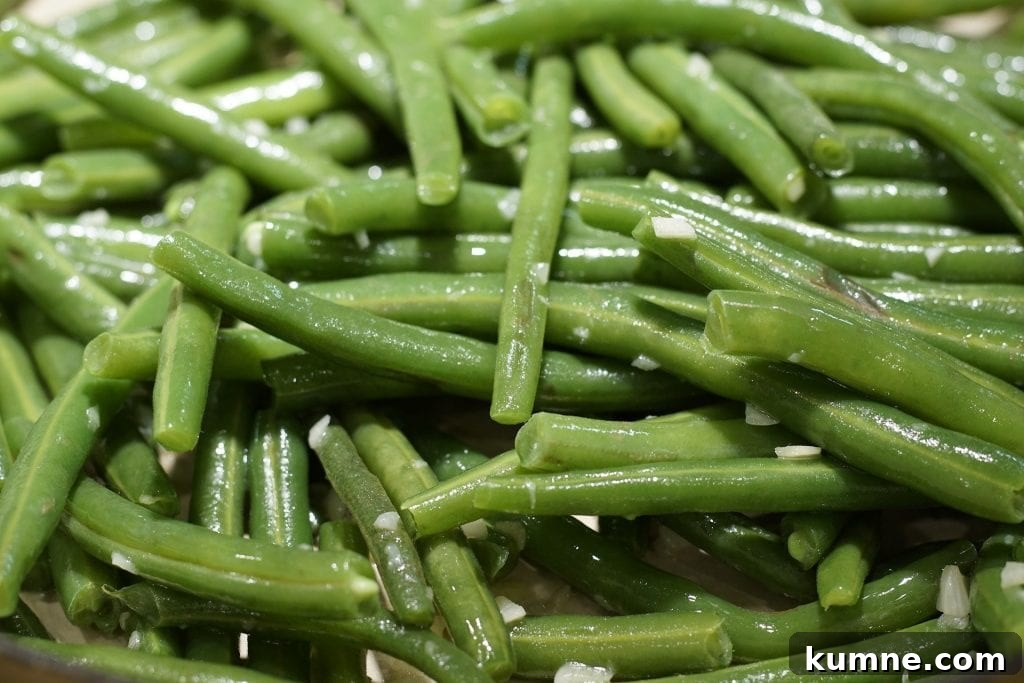
Vegetables such as broccoli, green beans, and cauliflower can overcook and discolor if cooked in large quantities. Cooking smaller batches as needed preserves color, texture, and overall presentation.
Always use a perforated pan to promote even cooking and prevent sogginess from trapped moisture.
Cut vegetables into uniform-size pieces
Uniform cuts ensure even cooking and create a more attractive plate. This is important for roasted vegetables, salsas, and cold salads where consistent size improves texture and visual appeal.
For example, a consistent small dice is essential for tabouli to achieve the proper texture and presentation.
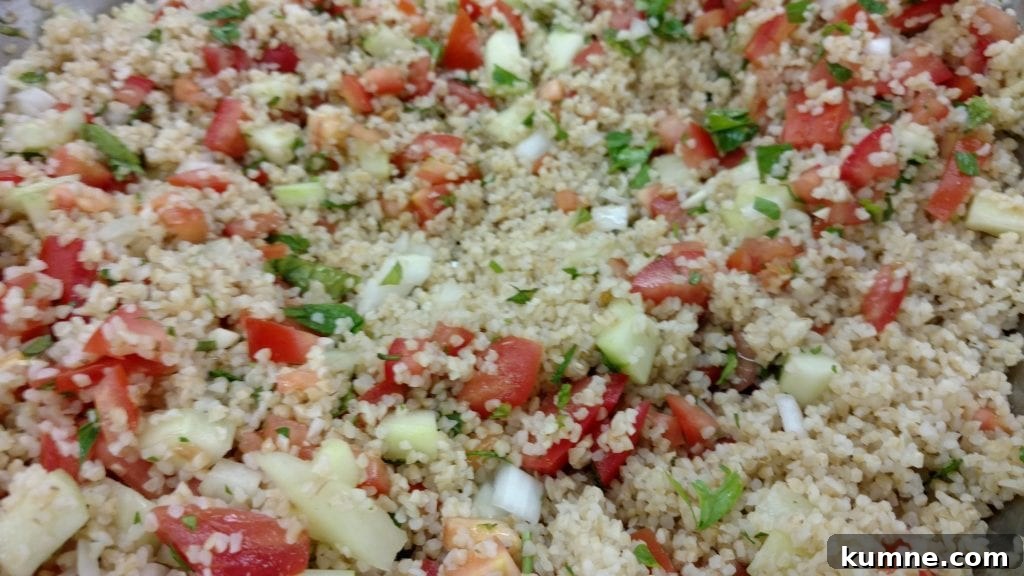
Tabouli Salad with Lemon Dressing
Tabouli combines small-diced vegetables, parsley, and bulgur tossed in lemon dressing. Consistent chopping enhances both the flavor distribution and presentation.
Consistent cutting is also important in soups. Mixed-size pieces affect not only appearance but also the ease with which students can eat the dish.
Grab-and-go salads
For packaged salads, presentation matters. Arrange ingredients so they are visible—students can quickly see what’s included and make choices based on their preferences.
Avoid tossing all ingredients together before serving. If a student dislikes one ingredient, like raw onion, tossing makes it difficult to remove. Layering components lets students pick out or remove items easily while preserving the salad’s appeal.
Create simple patterns and group ingredients when composing salads. Roll or dice proteins such as deli meat or cheese before adding them to the salad for a neat, uniform appearance.
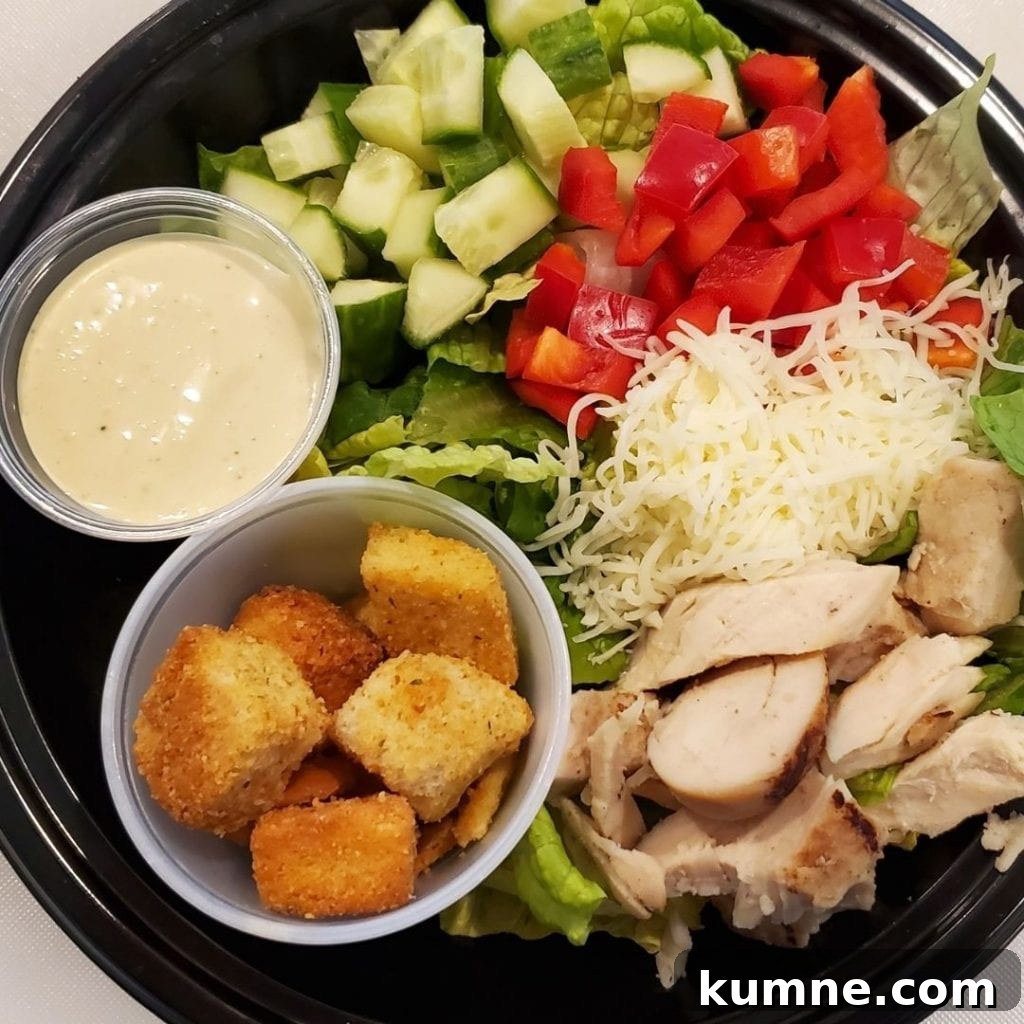
Read more about tips and techniques for creating grab-and-go entrée salads in related resources.
Create visually appealing meals with sandwiches
Sandwiches look more appetizing when fresh ingredients are used and simple cutting techniques are applied. A diagonal (bias) cut on wraps increases visual appeal and makes portions easier to handle.
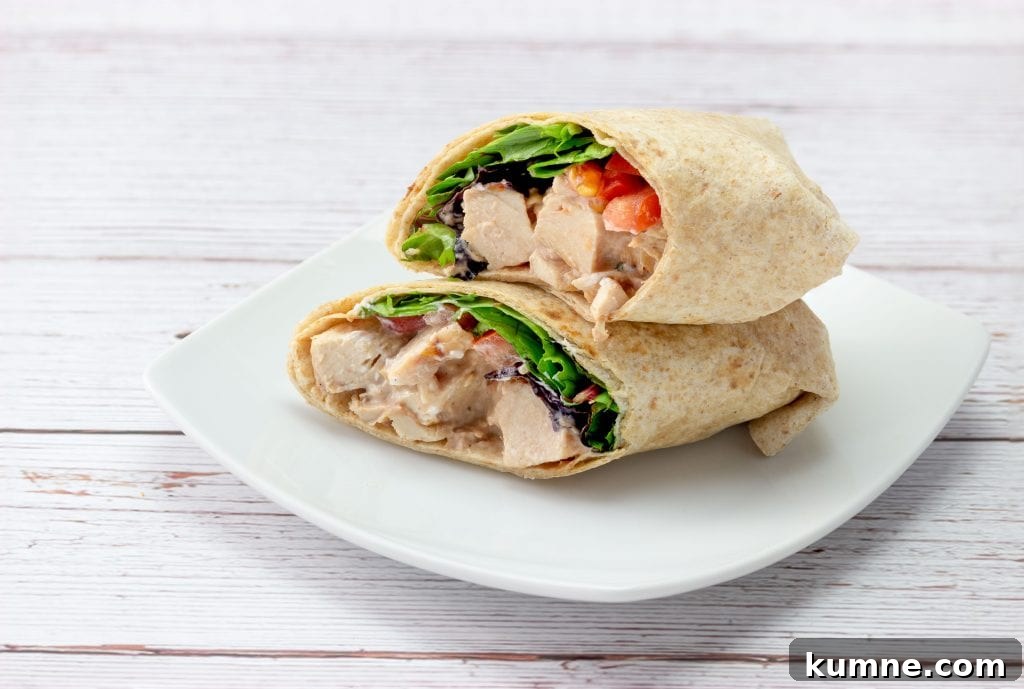
Creamy BBQ Chicken Wrap
A simple chicken wrap with a creamy, smoky dressing appeals to many students. Presenting it cut on the bias highlights the filling and makes it more inviting.
Packaging and clear labeling also contribute to sandwich appeal. Choose containers that display the product clearly and use labels that help students identify ingredients at a glance.

Bowls
Bowls are an excellent option for school menus. They showcase a variety of ingredients, support different cuisines, and work well as hot grab-and-go items.
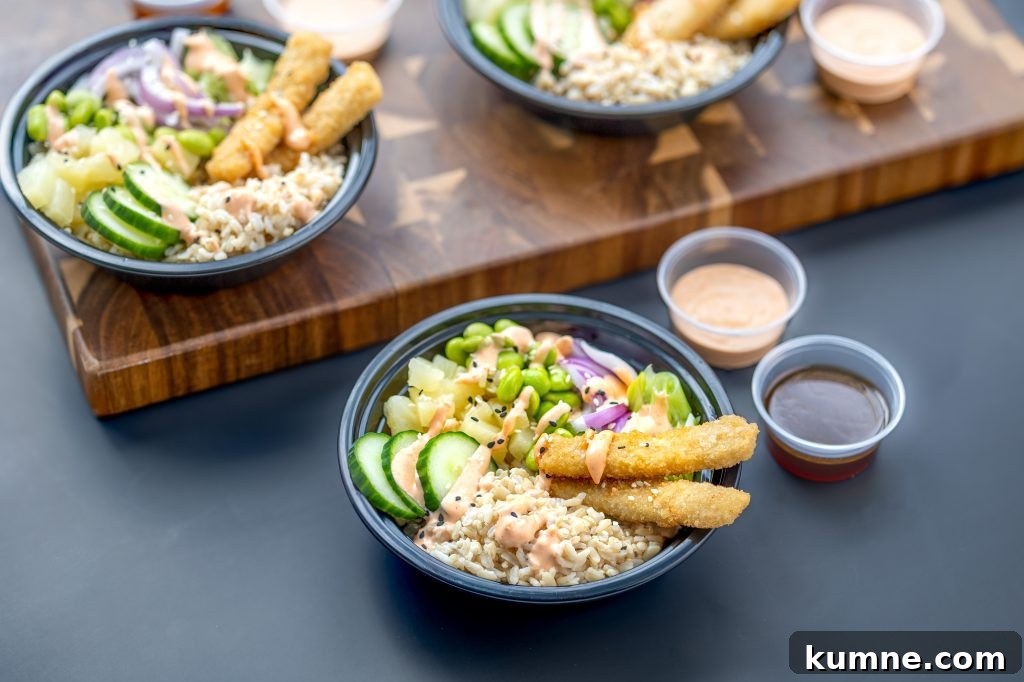
Hawaiian Poke Bowl
A poke bowl pairs crunchy elements, vegetables, rice, and a flavorful sauce blend. Clear layering and visible components enhance both flavor perception and selection.
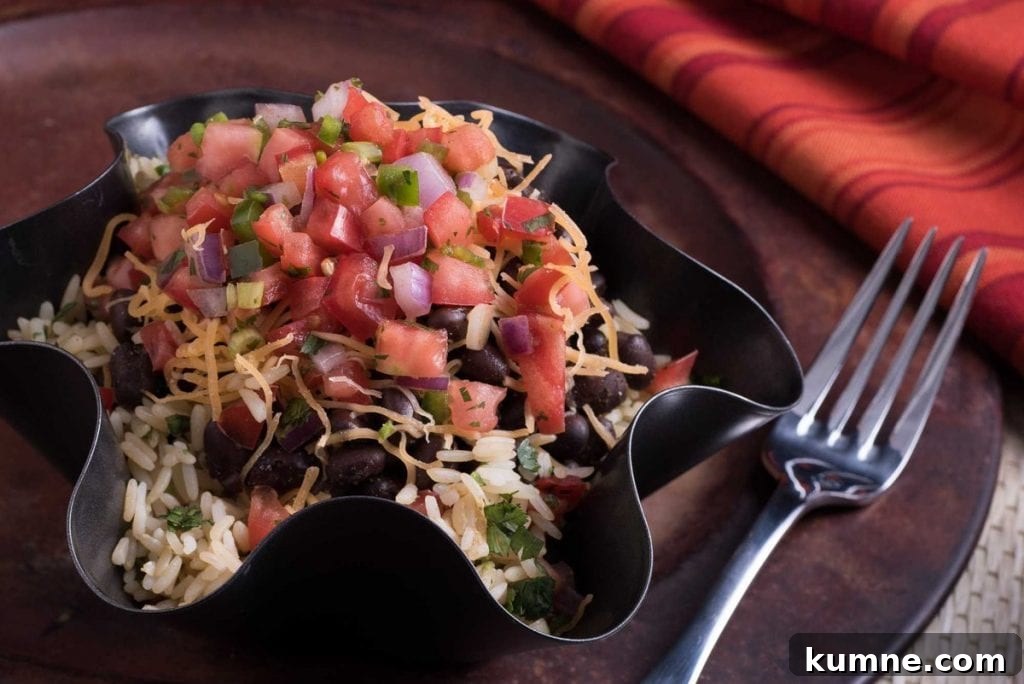
Bean Burrito Bowl
A burrito bowl with brown rice, beans, tomatoes, green onion, cilantro, and spices looks appealing when toppings like pico de gallo and cheese are visible on top.
When assembling bowls, make sure the base and main components are visible so students can clearly see what they will receive. For example, if rice is the base, position toppings so the rice remains visible as the bowl moves through the line.
Holding hot foods
Proper holding techniques preserve both quality and appearance of hot items. Steam vegetables as close to service time as possible. If they must be held, keep them in a warmer, not on the steam table.
Roasted vegetables maintain color and texture better when held in a warmer and should not be covered, which would trap steam and soften them. Avoid holding roasted vegetables in a steam table to prevent loss of quality.
Crispy items should be baked and held uncovered in a warmer. Covering freshly cooked crispy foods traps steam and leads to sogginess, reducing both visual appeal and quality.
A little planning goes a long way. Applying these simple techniques improves presentation and student satisfaction while showcasing the care and pride your team puts into school meals.