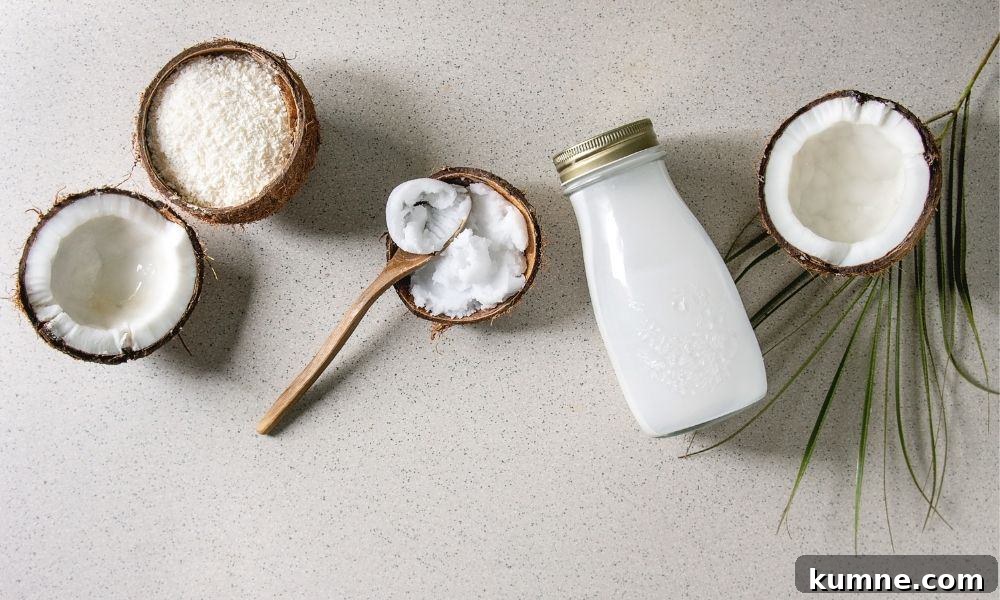
Can you eat coconut on a keto diet? Coconut is a versatile, popular ingredient in health-focused cooking, but is it low-carb enough to fit a ketogenic lifestyle?
As a dairy alternative, coconut products often replace milk, cream, and butter in recipes. They’re popular with paleo eaters and have become favorites for many low-carb and ketogenic cooks.
Below is a practical guide to which coconut-based ingredients work well on keto and how to use them in your kitchen.

Jump To:
Is Coconut Allowed in Keto Diet?
Coconut is generally keto-friendly: it’s relatively low in digestible carbohydrates and high in fat. Many coconut products — especially oils, creams, and unsweetened shredded coconut — fit well into a ketogenic macronutrient profile.
Coconut contains medium-chain triglycerides (MCTs), a type of fat that some research suggests can support fat-burning and be useful while in ketosis. Because of its fat content and versatility, coconut is commonly used as a substitute for dairy in low-carb and dairy-free recipes.
7 Coconut Ingredients to Use on a Keto Diet
Here are seven coconut-based ingredients that are helpful for low-carb cooking, with a short note on how to use each.
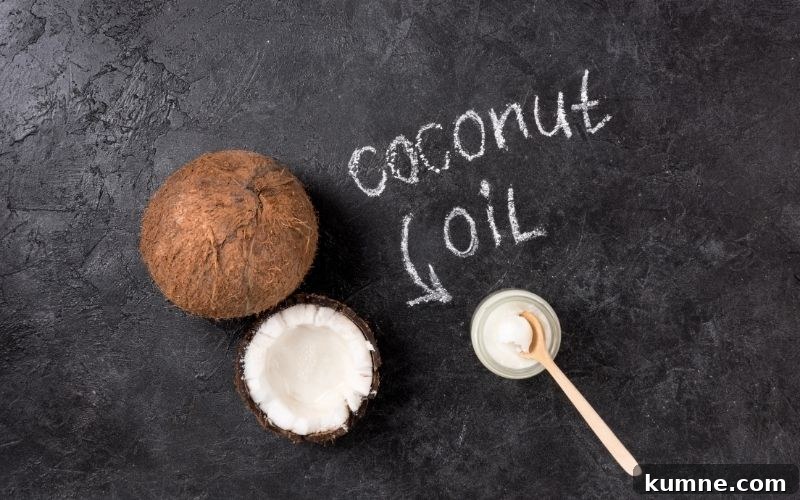

What Kind of Coconut Oil for Keto Diet?
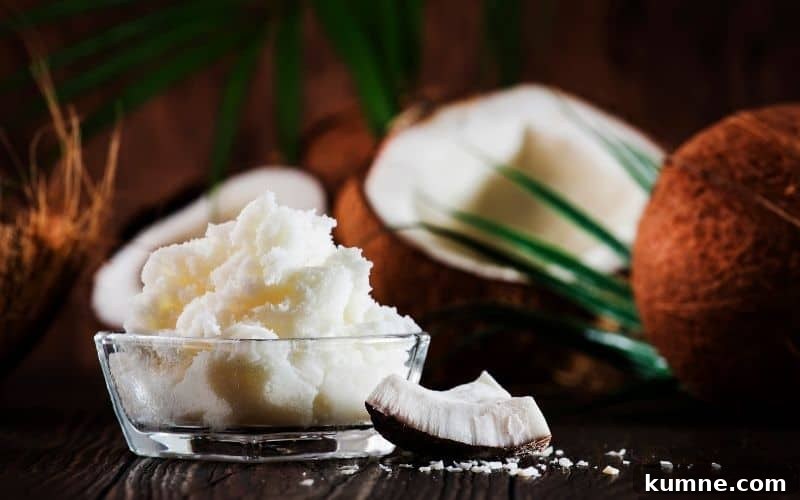
There are several types of coconut oil. Pick the one that suits your taste and use case:
Refined Coconut Oil — Neutral flavor, good when you don’t want a coconut taste.
Virgin/Unrefined Coconut Oil — Rich coconut aroma and flavor, suitable for cooking and cosmetic use.
Centrifuge-Extracted Coconut Oil — Mild and light in flavor, often favored for raw applications, smoothies, and no-bake desserts.
Price and flavor are the main differences. If you dislike coconut taste, choose refined oil. If you prefer minimal processing and a mild coconut note, opt for centrifuge-extracted or virgin oil.

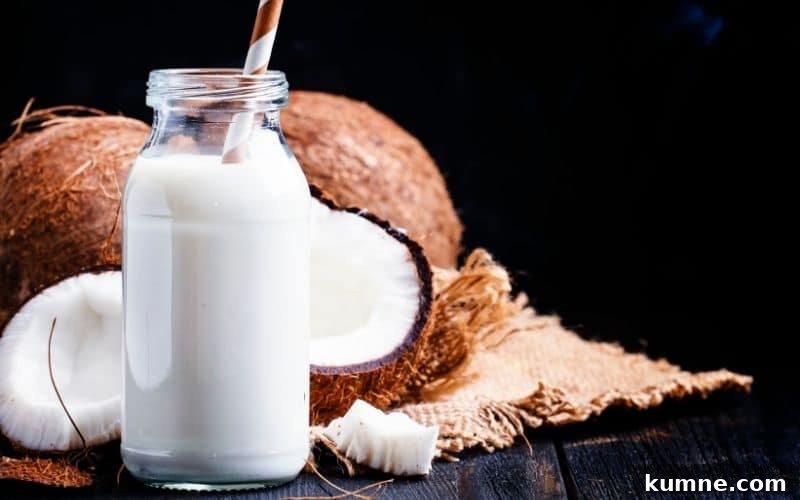
What is the Best Coconut Milk for Keto?
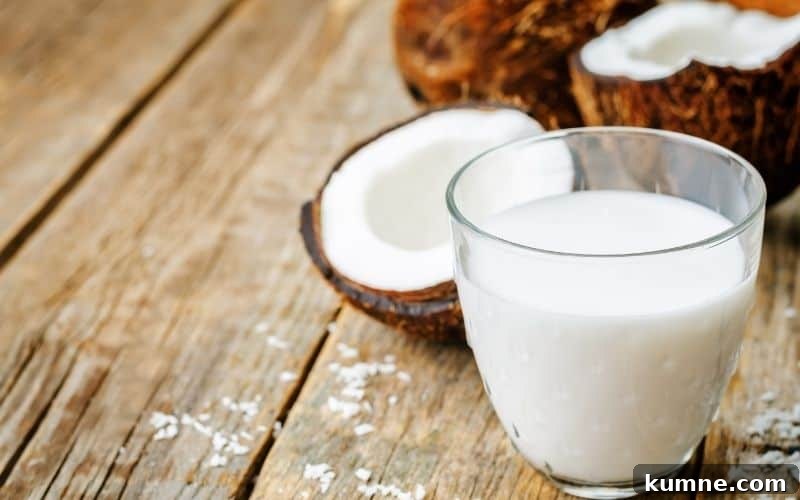
Coconut milk is the liquid extracted from pureed coconut meat. Unsweetened canned coconut milk is high in fat and low in carbs, making it suitable for keto recipes.
On average, about 1 ounce (30 ml) of unsweetened coconut milk contains roughly 7 grams fat, 0.5 grams protein, and around 1–2 grams total carbohydrate. These ratios align well with ketogenic macros, especially when you use unsweetened varieties.
Making fresh coconut milk at home is an option if you prefer whole-food preparation, but quality canned or powdered coconut milk can be convenient and keto-friendly when unsweetened.

How Many Carbs are in Unsweetened Coconut Milk?
Unsweetened coconut milk is low in digestible carbs. For example, about 1/3 cup (80 ml) of unsweetened canned coconut milk typically has roughly 2 grams of total carbohydrate. Be careful with flavored or sweetened varieties, which can add significant sugars and carbs.

Is Coconut Water Allowed in Keto?
Coconut water is the one coconut product to avoid on a strict keto plan. It’s relatively high in carbohydrates — roughly 10 grams of total carbohydrate per 8-ounce serving — and many bottled products contain multiple servings, making it easy to exceed daily carb targets.
For that reason, skip coconut water if you’re aiming to stay in ketosis or strictly limit carbs.
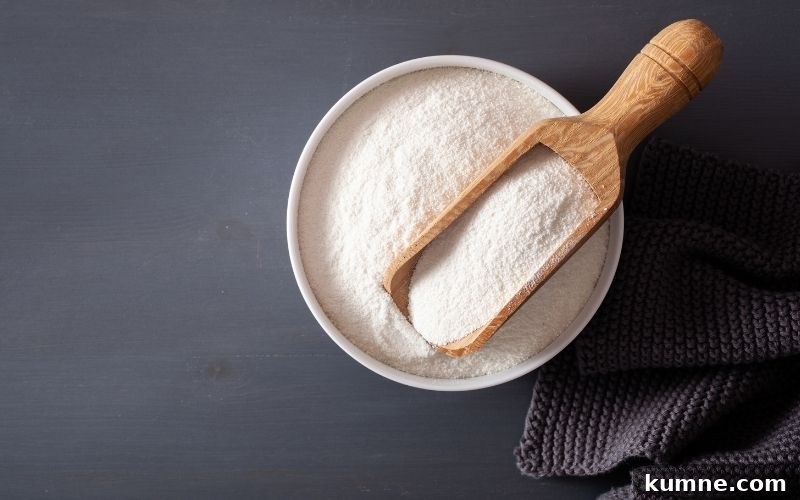
Does Coconut Flour Have Carbs?
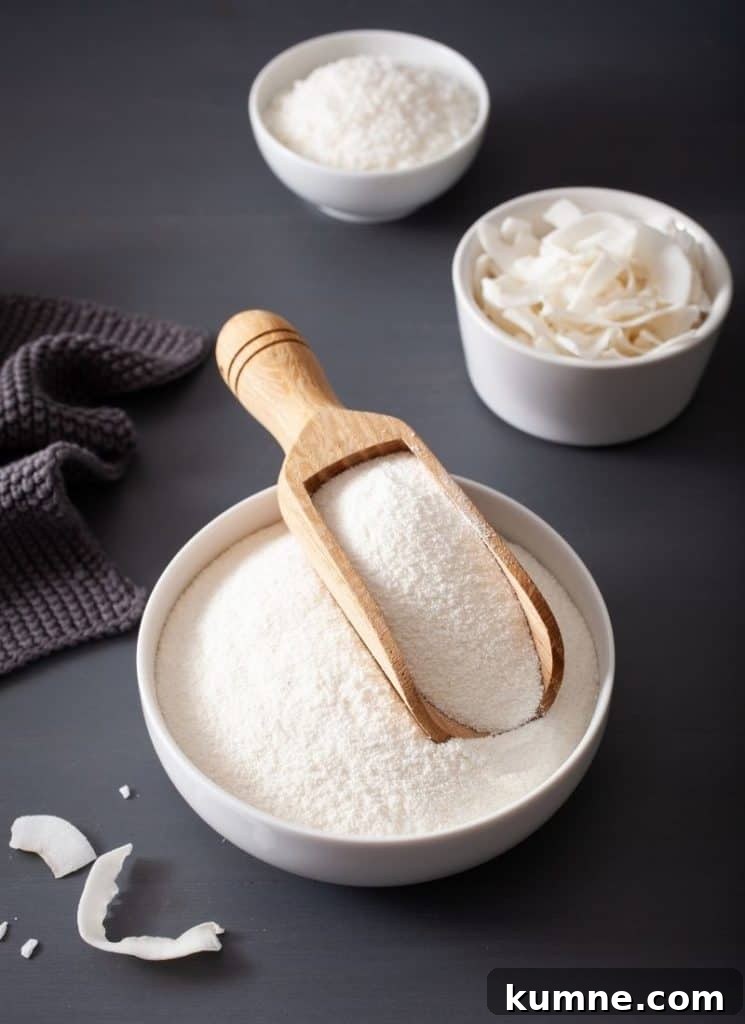
Coconut flour is a useful low-carb flour option but it is not carb-free. A typical 1/4 cup (30 g) serving contains about 18 grams total carbohydrate, including roughly 10 grams fiber, for about 8 grams of net carbs. That means you still need to account for it when tracking macros.
Because coconut flour is highly absorbent, recipes usually call for smaller quantities than other flours. When used correctly, it performs well in low-carb breads, cakes, and crusts and can yield satisfying, flaky textures.
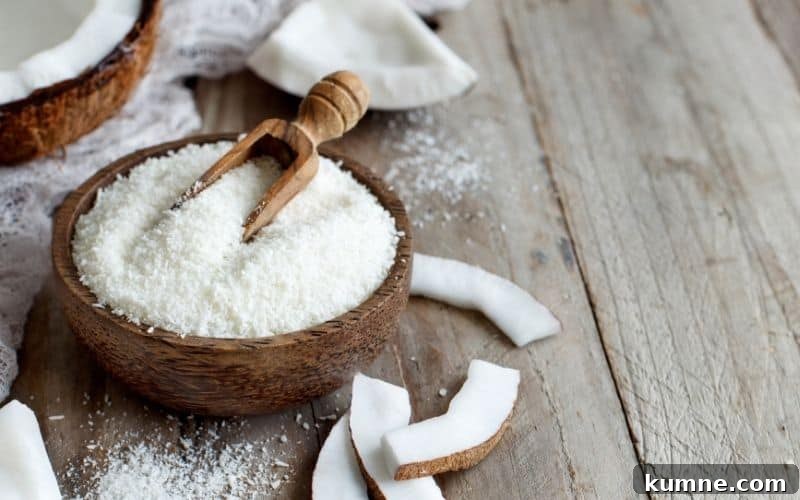
Is Shredded Coconut Allowed on Keto Diet?
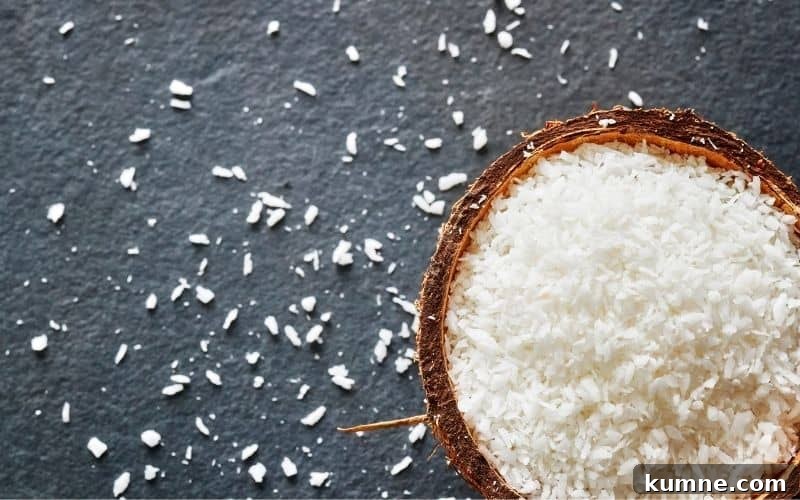
Yes — unsweetened shredded coconut is keto-friendly and useful for adding texture, flavor, and fat to recipes. It works well as a topping, in fat bombs, and as an ingredient in low-carb baked goods and snacks.
How Many Carbs Are in Shredded Coconut?
Per 1/2 cup (40 g) of unsweetened shredded coconut, there are about 9 grams of total carbohydrate and roughly 7 grams of fiber, yielding approximately 2 grams net carbs. Per 100 g, shredded coconut contains about 22.5 g total carbs, 17.5 g fiber, and around 5 g net carbs. These numbers make it a practical, low-net-carb option when used in moderation.
With the right choices — unsweetened products, mindful portion sizes, and accounting for fiber — most coconut products fit well into a ketogenic diet. Use coconut oil, cream, milk, flour, butter, and unsweetened flakes to add fat, texture, and flavor while avoiding coconut water and any sweetened coconut items that raise carb counts.
This post was originally published February 15, 2018 and updated October 10, 2020 with new images and information.