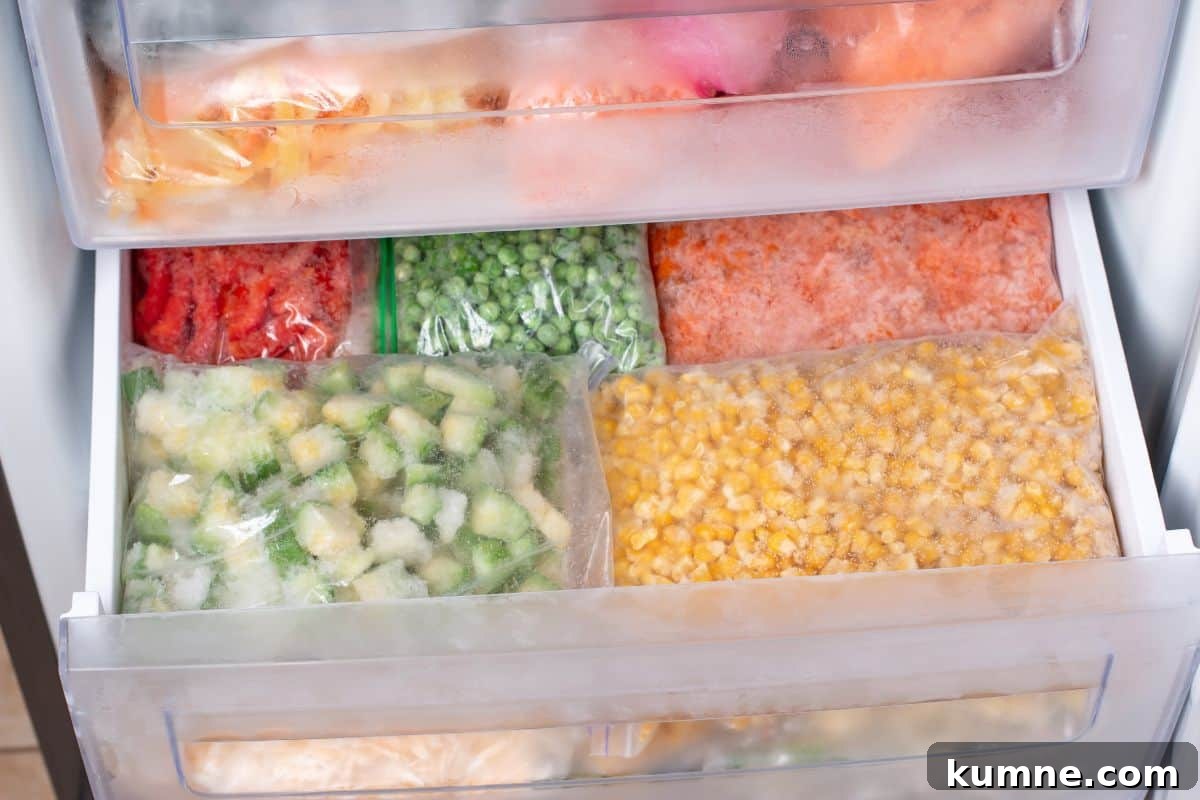
Freezing food can be a practical way to extend freshness, reduce waste, and make meal prep easier. Many everyday ingredients—and some surprises—freeze well when handled properly. Below are tips for freezing a variety of foods so you can save time and money and always have key items on hand.
Eggs
You can freeze raw eggs, but not in their shells. Crack eggs into a container or separate yolks and whites into ice cube trays for portioned use. Thaw in the refrigerator overnight and use as you would fresh eggs—they’re particularly handy for baking and recipes that don’t require a whole carton at once.
Milk
Freezing milk is useful if you don’t use it quickly. Leave room in the container for expansion, then thaw in the fridge and shake well before using. The texture might change slightly, but frozen milk remains great for cooking, baking, and many drinking purposes. This tip also applies to most plant-based milks.
Cheese
Hard and semi-hard cheeses like cheddar and mozzarella freeze well, especially if shredded first. Shredded cheese is convenient to pull straight into a dish from the freezer. While freezing can alter texture slightly, frozen cheese works excellently in cooked dishes. Softer, high-moisture cheeses don’t freeze as well.
Butter
Butter keeps very well in the freezer—up to a year—making it ideal to buy on sale or stock for baking seasons. Keep it in its original wrapping, add foil if desired, and place in a freezer bag. Use frozen butter directly for cooking or let it soften briefly for spreading.
Bread
Freezing bread prevents staleness and mold. Slice before freezing so you can take out individual pieces that thaw quickly in a toaster or on the counter. Wrap tightly in plastic or use an airtight bag. Bagels, tortillas, and buns also freeze well and save leftovers from going to waste.
Avocados
Because whole avocados become mushy when frozen, mash them with a little lemon or lime juice to prevent browning, then store in a sealed container. Frozen avocado mash is great for guacamole or spreads and preserves usable texture and flavor for months.
Fresh Herbs
Chop herbs like parsley, cilantro, and basil and freeze them in ice cube trays covered with olive oil or water. Once solid, transfer the cubes to a freezer bag. Toss a cube into soups, sauces, or sautés for convenient flavor without the waste of wilting herbs.
Potatoes
Potatoes keep best when parboiled or blanched before freezing to preserve texture and color. Store in freezer bags for later use in soups, stews, or roasting. Prepared forms like mashed or twice-baked potatoes also freeze well and make quick side dishes.
Cooked Rice and Pasta
Leftover rice, pasta, or dumplings freeze easily once cooled. Portion into flat freezer bags for compact storage; reheat with a splash of water to restore moisture. Freezing these staples saves time on busy nights and prevents repeatedly cooking small batches.
Tomato Paste
Portion tomato paste into tablespoon-sized dollops on a parchment-lined tray and freeze, then transfer to a freezer bag. This lets you use exactly the amount needed for sauces or soups without thawing a whole can, while retaining bright flavor.
Nuts
Because of their oils, nuts can become rancid if stored too long at room temperature. Freeze nuts in airtight containers to lock in freshness and prevent flavor transfer from other pantry items. Use them straight from the freezer for baking, smoothies, or snacking.
Cookie Dough
Freeze cookie dough in individual balls on a lined baking sheet until solid, then transfer to a freezer bag. Bake as many cookies as you want whenever you like—frozen dough bakes nearly as well as fresh and is ideal for spontaneous treats or holiday preparations.
15 Grocery Items to Stock Up On Before Winter Price Hikes
Winter often brings higher grocery prices because of demand, seasonal shortages, and supply challenges. To offset potential price hikes, consider stocking up on pantry staples and items you use frequently. Planning ahead and freezing appropriate foods can help you avoid last-minute trips and reduce overall food costs during the colder months.