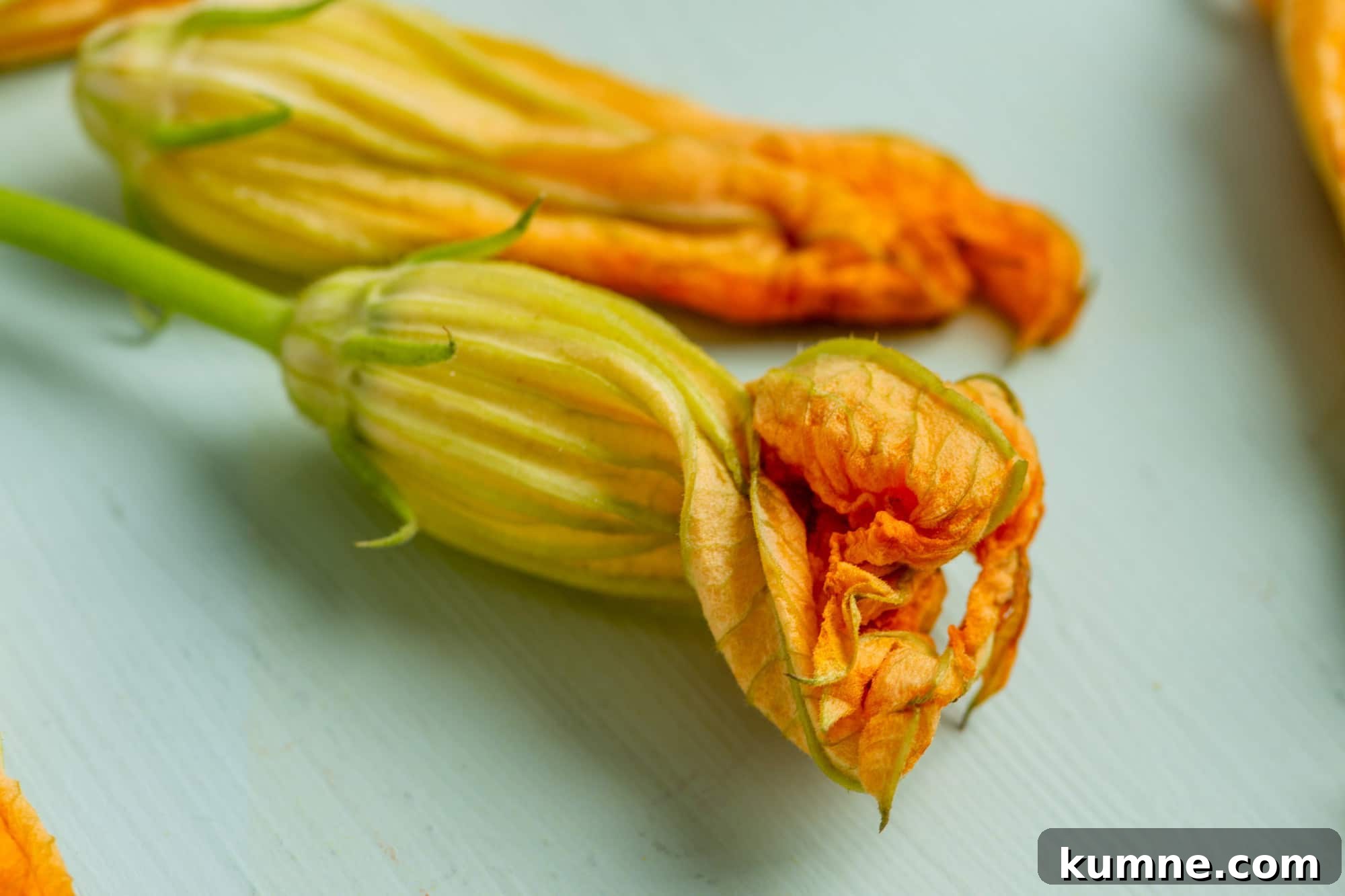
What Are Squash Blossoms?
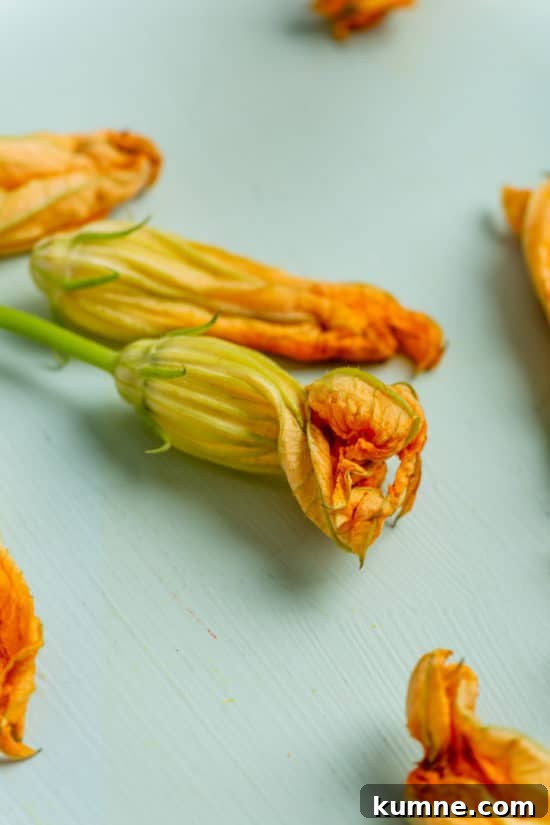
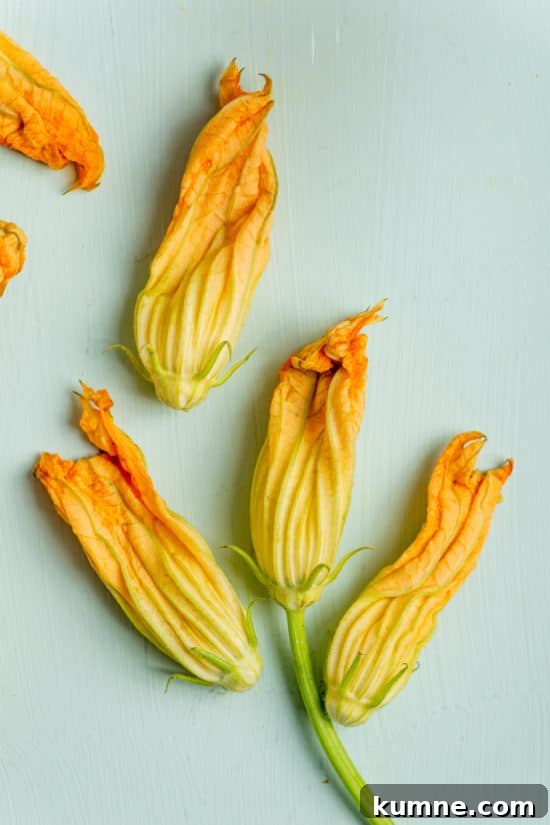
At the end of every zucchini or summer squash stem you’ll often find a vibrant yellow-orange flower: the squash blossom. These blossoms are edible and prized for their delicate, slightly sweet flavor, more subtle than the squash itself. They are fragile and best used fresh to preserve their texture and mild taste.
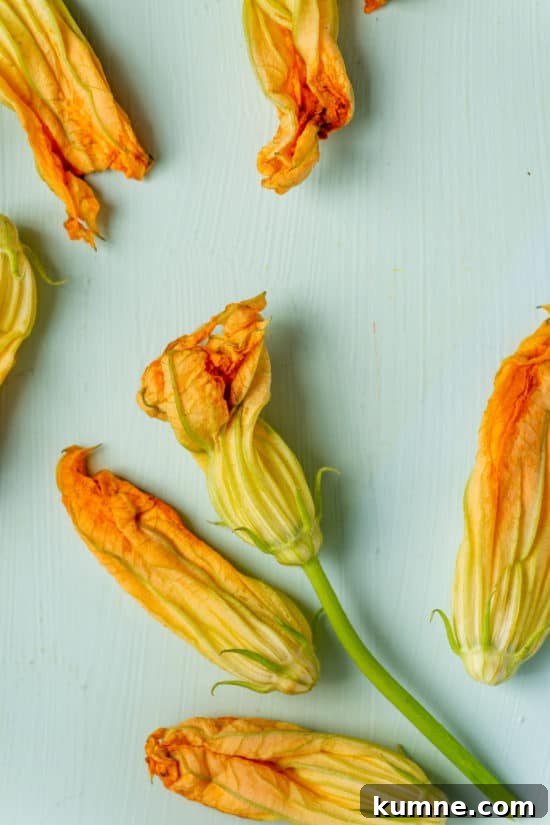
Where Can You Find Squash Blossoms?
The freshest squash blossoms come directly from a zucchini or squash plant. Farmers’ markets are the next best option, where blossoms are often picked the same day. Some specialty food stores and higher-end supermarkets may carry them, but inspect the blossoms carefully to ensure they are fresh and not wilted.
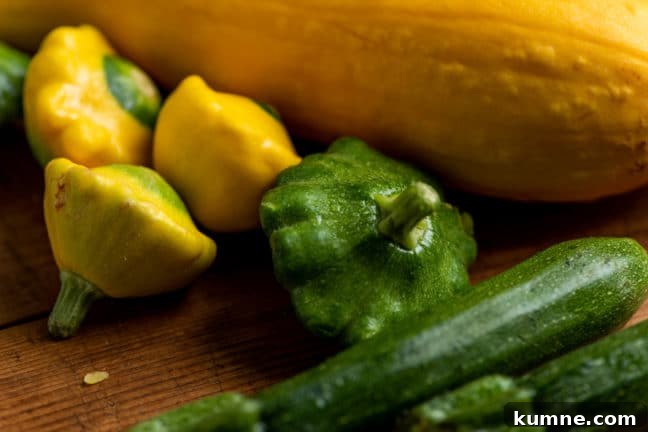
How to Choose Squash Blossoms
Whether you’re harvesting from your garden or buying them, choose blossoms that look perky rather than droopy and have closed or slightly open buds. If you can, pick male flowers—these are the blossoms that do not develop into fruit—so the plant can continue producing squash. Both male and female blossoms are edible, but selecting males preserves the vegetable crop.
How to choose, store and prepare those gorgeous seasonal squash blossoms.
What is the Season for Zucchini and Squash Blossoms?
Squash blossoms appear in late spring or early summer and are available through fall, essentially anytime the plants are actively flowering. They often show up before the squash itself and continue to appear as the plants produce fruit.
How Do You Cook Squash Blossoms?
Squash blossoms are commonly stuffed and then sautéed or fried after being lightly battered. Popular fillings include mild, creamy cheeses that complement the flower’s delicate taste. They can also be baked or steamed, often with a filling.
Raw blossoms work well as a garnish or tossed into salads, pastas, risottos, and soups. When eaten uncooked or simply stuffed and served raw, their subtle flavor is most noticeable—so season fillings lightly to avoid overpowering the blossom.
How to Store Squash Blossoms
Store squash blossoms in the refrigerator and use them within a day or two. They are highly perishable, so buy or harvest them as close as possible to when you plan to cook them.
Should You Wash Squash Blossoms?
Avoid washing blossoms if you can; the water can make them wilt quickly. If they are dusty or have debris, gently brush or shake them to remove particles rather than rinsing under running water.
How to Prepare Squash Blossoms for Eating
Before cooking or serving, remove the pistil or stamens from the center of the blossom. Some recipes recommend trimming stems, but stems are edible and add structure, so leave them on if you prefer. Handle blossoms carefully to avoid tearing.
Are Squash Blossoms Nutritious?
Squash blossoms provide small amounts of vitamins A and C, along with minor amounts of iron and calcium. Due to their delicate nature and small serving size, they are not a significant source of nutrients but can add color and a light nutritional boost to dishes.
Squash Blossoms Recipes
Squash blossoms are versatile. Try them raw as a salad garnish or stuffed and cooked. Here are some ideas to inspire you:
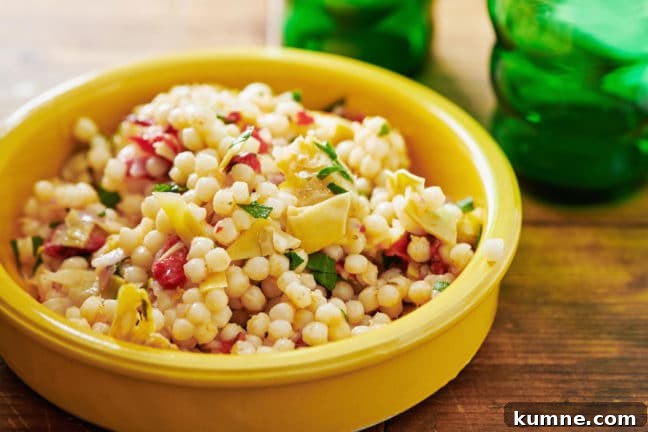
Use blossoms atop salads such as:
- Artichoke, Feta and Roasted Pepper Couscous Salad
- Tomato, Red Onion, Watercress, Feta and Olive Salad
- Perfect End of Summer Pasta Salad
Other classic preparations include fried blossoms, ricotta- or cheese-stuffed blossoms, and simple pan-fried flowers. These approaches highlight the blossom’s texture and subtle flavor—keep seasonings light and complementary.