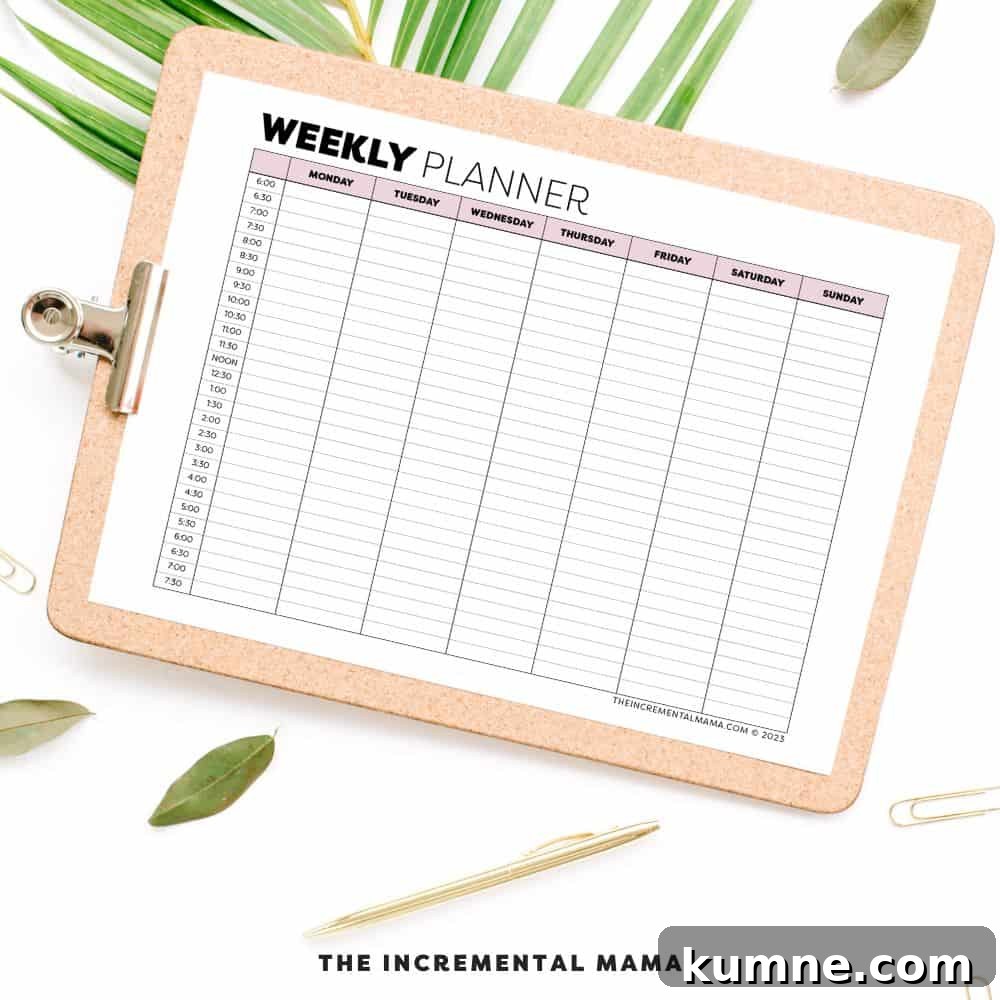
As a busy mom balancing work, four kids, volunteering, household management, and carving out a little daily time to stay sane, time blocking has been a total game changer.
When you use time blocking correctly, you can get more done, conquer your to-do list, and actually make space for the things that matter most.
With the free time block planner printable and the steps below, you’ll have what you need to take control of your day and boost your productivity.
In this post, we’ll cover:
- Why time blocking is a powerful planning tool
- Examples of tasks to include in your time block schedule
- How to use the time block planner printable to create a schedule
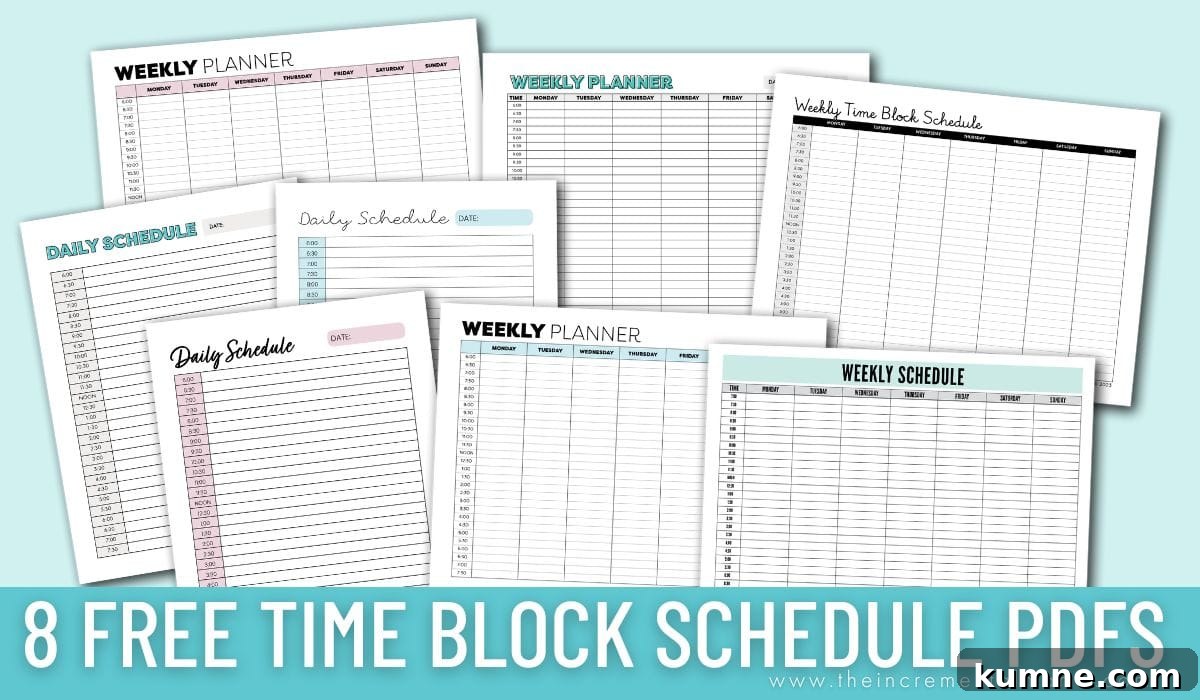
Plus, there are 8 different free time block planner templates available to download.
Let’s get started!
What Exactly Is Time Blocking?
Time blocking (sometimes called time boxing) is a straightforward time-management method where you reserve a defined block of time to complete a specific task. You’ve likely done this without using the term.
Instead of checking email or social media throughout the day, you set a single dedicated window to handle them. Rather than vaguely planning to “exercise today,” you schedule the exact time you’ll go for a run, follow a yoga video, or head to the gym.
Time blocking turns a vague to-do list into a concrete schedule by assigning each task a specific time slot.
Why Time Block Planning Works
1. It turns your to-do list into a realistic plan.
A bare to-do list is just a wishlist. When you assign time to each task, you create the structure that makes completion possible.
2. It helps you prioritize important work.
Without time blocks, it’s easy to focus on quick, easy tasks for the satisfaction of crossing them off. Scheduling time for the harder but more meaningful tasks ensures you make progress where it counts.
3. It increases focus and efficiency.
Blocking time gives you permission to concentrate on one thing without worrying about everything else. With focused time, you’ll work more efficiently and reduce stress.
The truth is that without scheduling, your to-do list is just a wish list.
For me, time blocking replaced the feeling of being pulled in a million directions with one clear focus at a time. That mental space improved both productivity and calm.
Examples of Tasks to Time Block in Your Day or Week
Time blocking is especially useful for scheduling important tasks you tend to procrastinate on. Examples to include on your planner:
- Exercise
- Laundry
- Self-care
- Sleep
- Daily cleaning tasks
- Family time
- Meal prep
- Work
- Helping kids with homework
- Decluttering
- Driving to practices or appointments
- Phone calls and messages
Use Time Blocking to Limit Distracting Tasks
Time blocking also helps control low-value distractions by assigning them a fixed slot. For example, schedule small daily or weekly windows to:
- Check the news
- Scroll social media
- Watch TV or movies
Carving out time for these activities means you can enjoy them guilt-free while preventing them from taking over your day.
How to Use the Time Block Planner
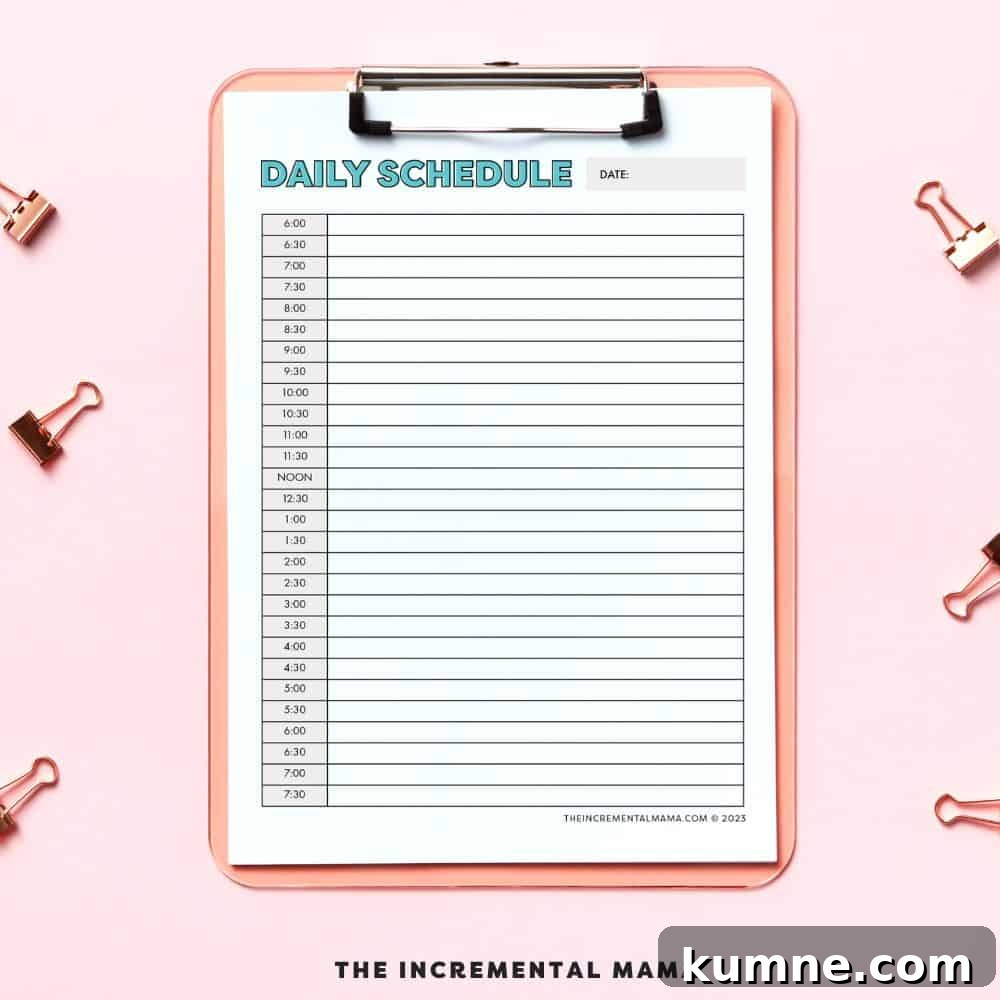
Follow these steps when using the printable time block templates. You can download the templates below or use a planning kit if you prefer.
Step 1: Set aside time to plan
Plan when you have energy and won’t be rushed. Regular, focused planning saves hours during the week and reduces stress. Block out time just to create your weekly schedule.
Step 2: List weekly priorities and key tasks
Your aim isn’t to cram everything in, but to prioritize and schedule the most important items. Use a weekly planner template to identify your top tasks and goals.
When choosing priorities, consider things like:
- Regular exercise
- Meal planning
- Cleaning
- Nurturing relationships
- Self-care and rest
Step 3: Block tasks on your planner
Map out your week by assigning specific time slots for each task. As you schedule, follow these guidelines:
1. Schedule in order of importance. This ensures essential tasks get done.
2. Break large tasks into smaller steps and schedule each step.
3. Overestimate how long tasks will take. People are often too optimistic. Give tasks more time than you think they need so you don’t feel rushed. If you finish early, you gain free time.
As a rule of thumb, consider doubling your initial time estimate; for some tasks, even triple is sensible. Planning with realistic buffers prevents frustration and keeps your schedule credible.
Optimism is a lovely quality. It just has no place in planning!
4. Build buffer time between tasks. Unexpected things always happen. Adding buffers prevents cascading delays and preserves your sense of control. A pencil can be helpful when you’re learning the system so you can adjust as needed.
Step 4: Fill the rest of the schedule, including buffers
Once the most important items are scheduled with ample time, fill in the remaining slots. Keep buffers so you don’t feel constantly behind—especially if you have small children, who require extra flexibility.
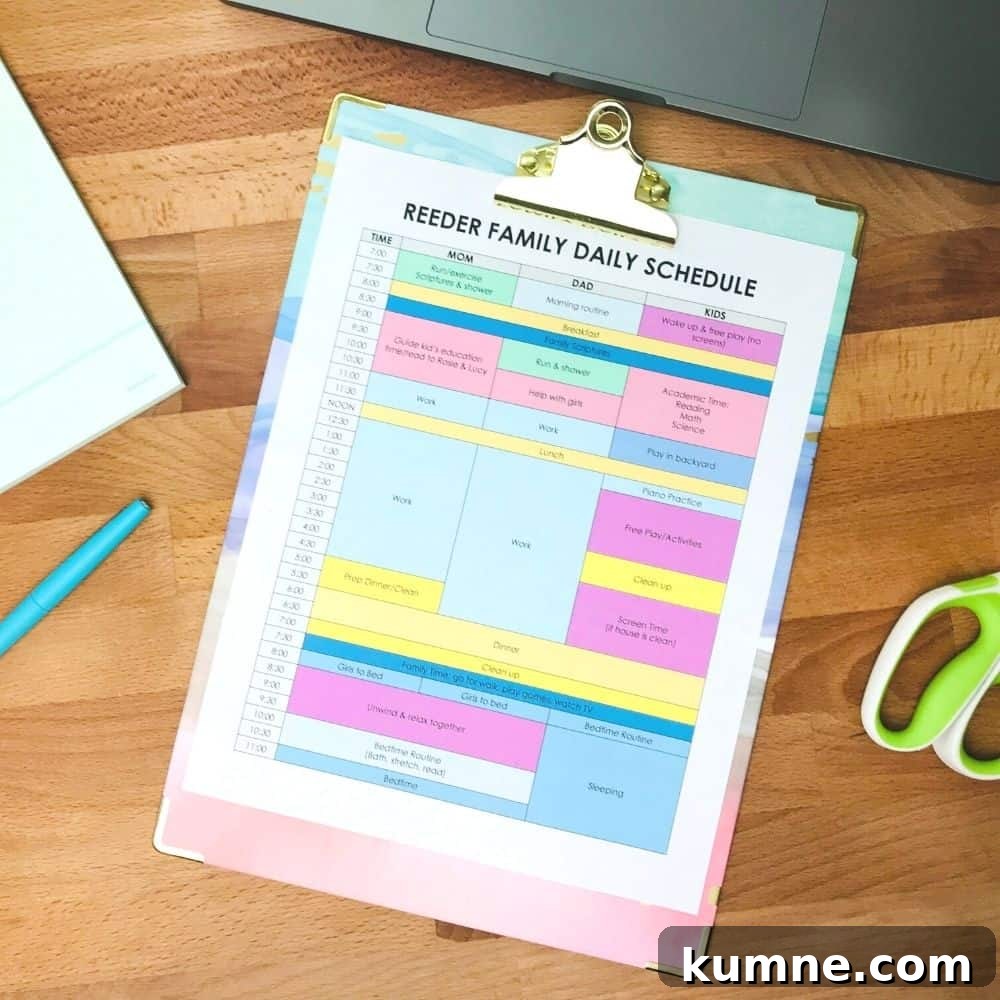
Creating a Basic Weekly Time Block Schedule
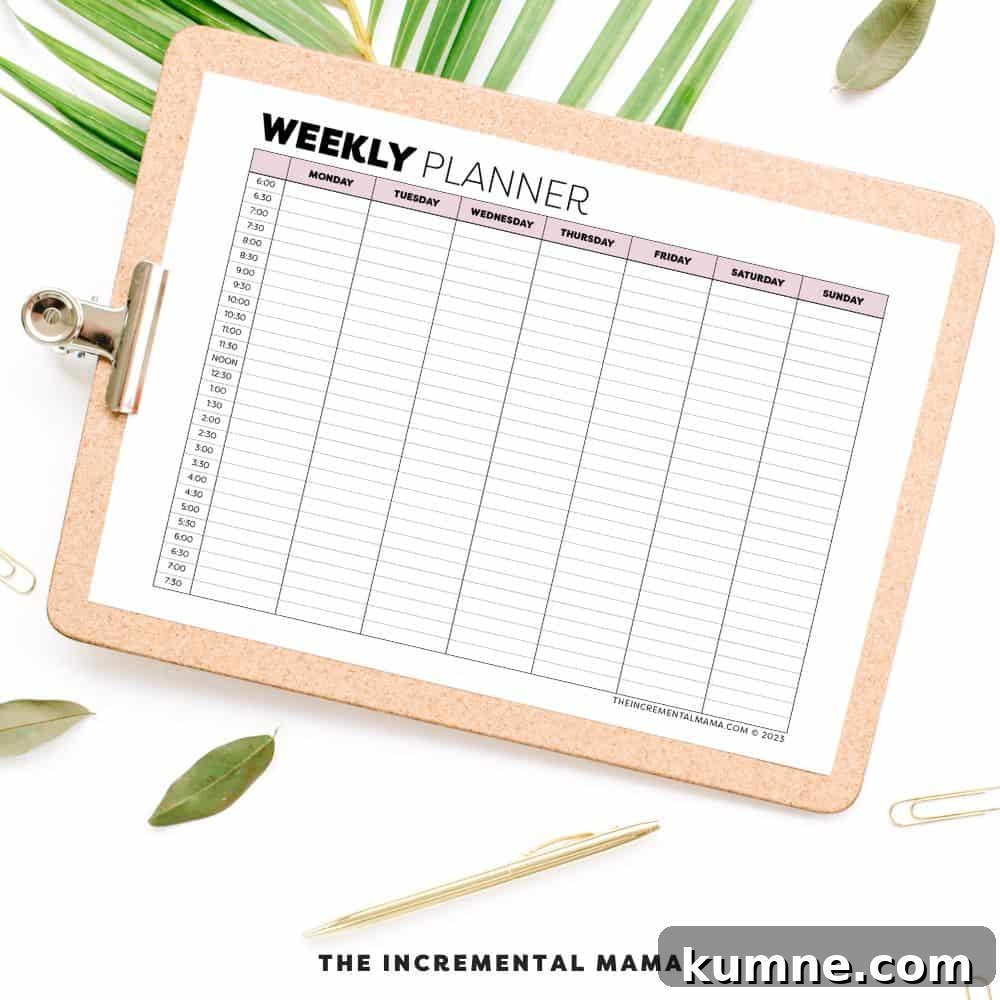
If your weeks follow a familiar pattern, create a basic weekly time-block template you can reuse and tweak each week. Block out recurring activities like exercise, grocery shopping, cleaning, school runs, work, cooking, and family time.
Having a standard weekly template makes weekly planning faster because you only adjust for unique appointments and priorities.
Two simple ways to create a base schedule:
1. Use a blank weekly time block printable to draft a recurring week. Keep it handy and update as needed.
2. Use a Word template to build a reusable schedule—this works well if you like editable digital planners.
If you prefer video guidance, there are tutorials showing how to create a family time block schedule using Word and other tools.
For a step-by-step example of a family schedule, look for guides on creating family time block schedules.
8 Free Time Block Planning Printable Templates
Now that you understand how time blocking works, choose the printable that fits your needs. Below are eight templates, including weekly and daily formats for personal use.
1. Free Time Block Schedule Template
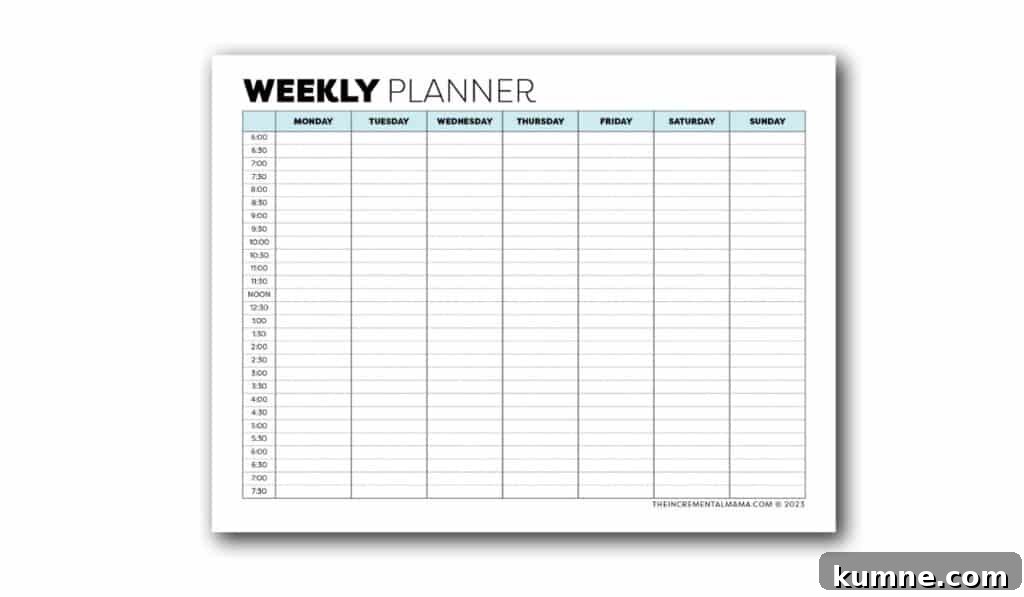
2. Weekly Time Block Planner Printable
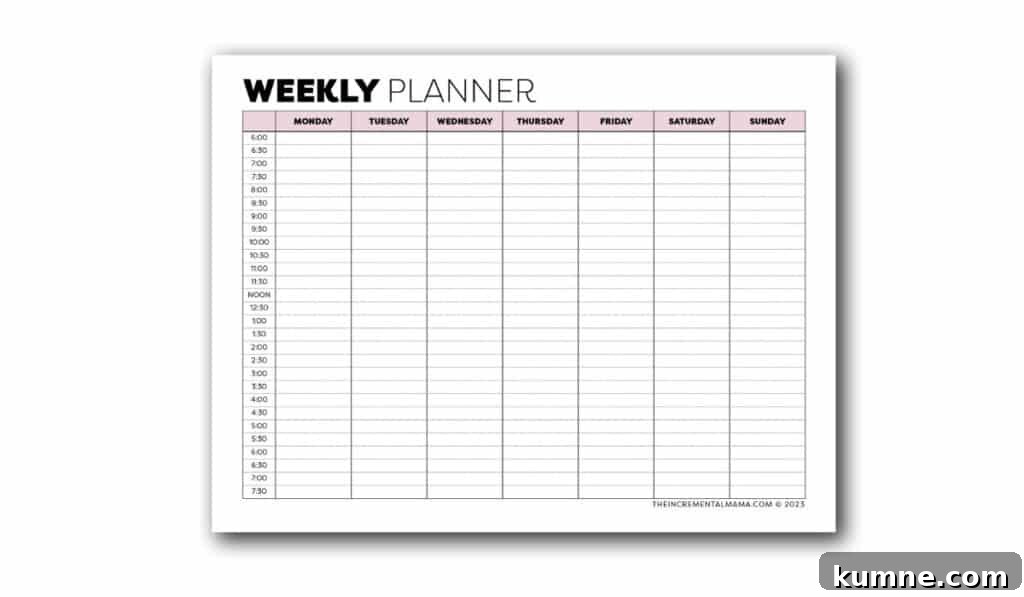
3. Time-Blocking Template
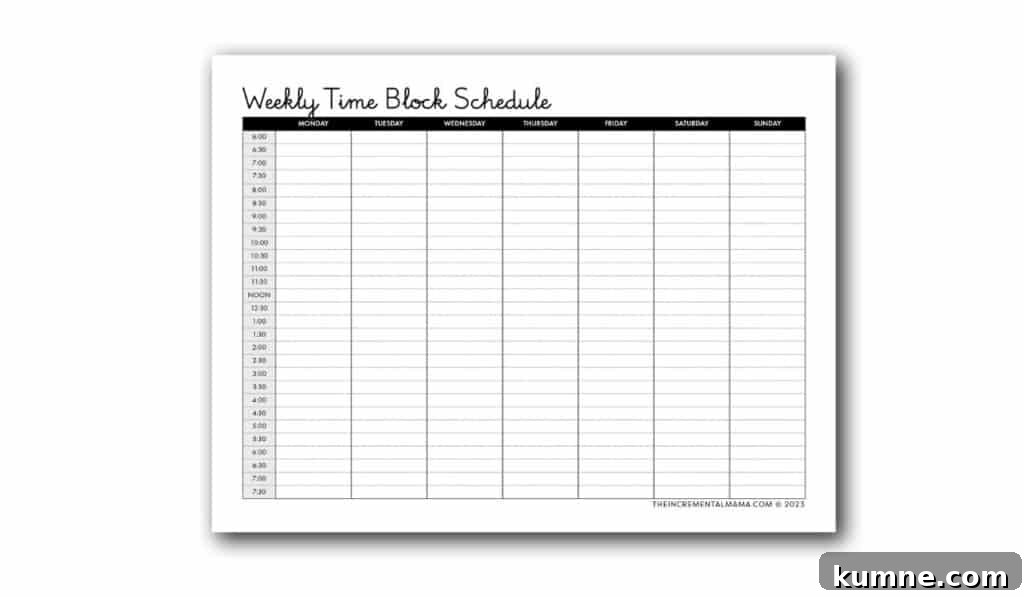
4. Block Schedule Template
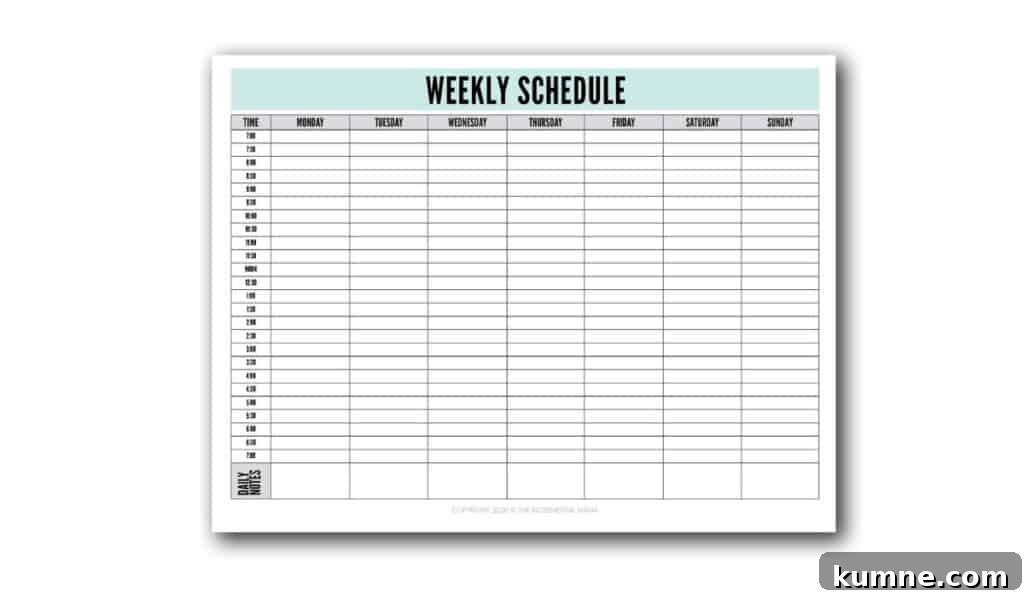
5. Free Printable Time Blocking Template
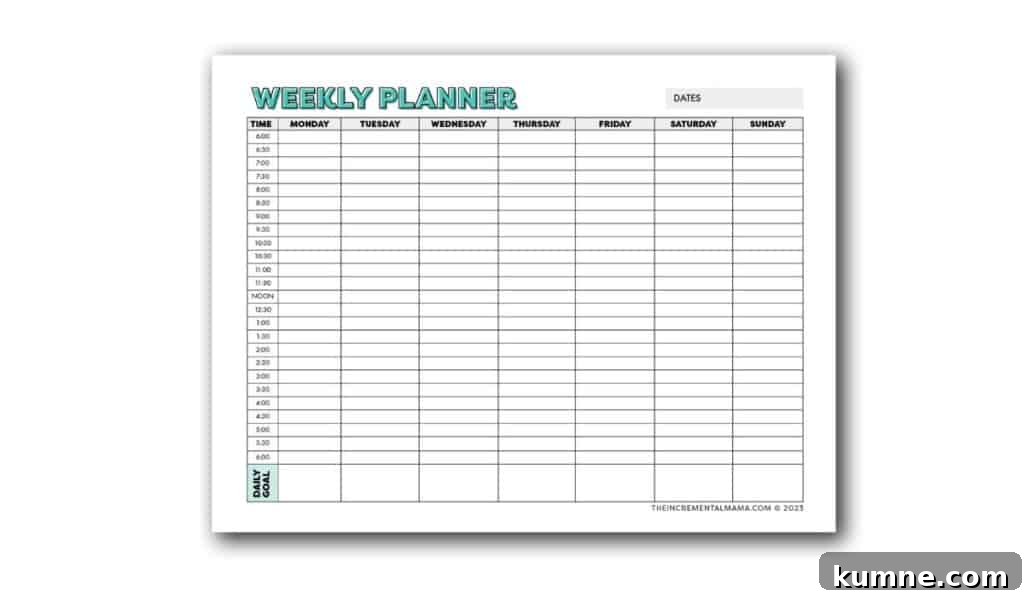
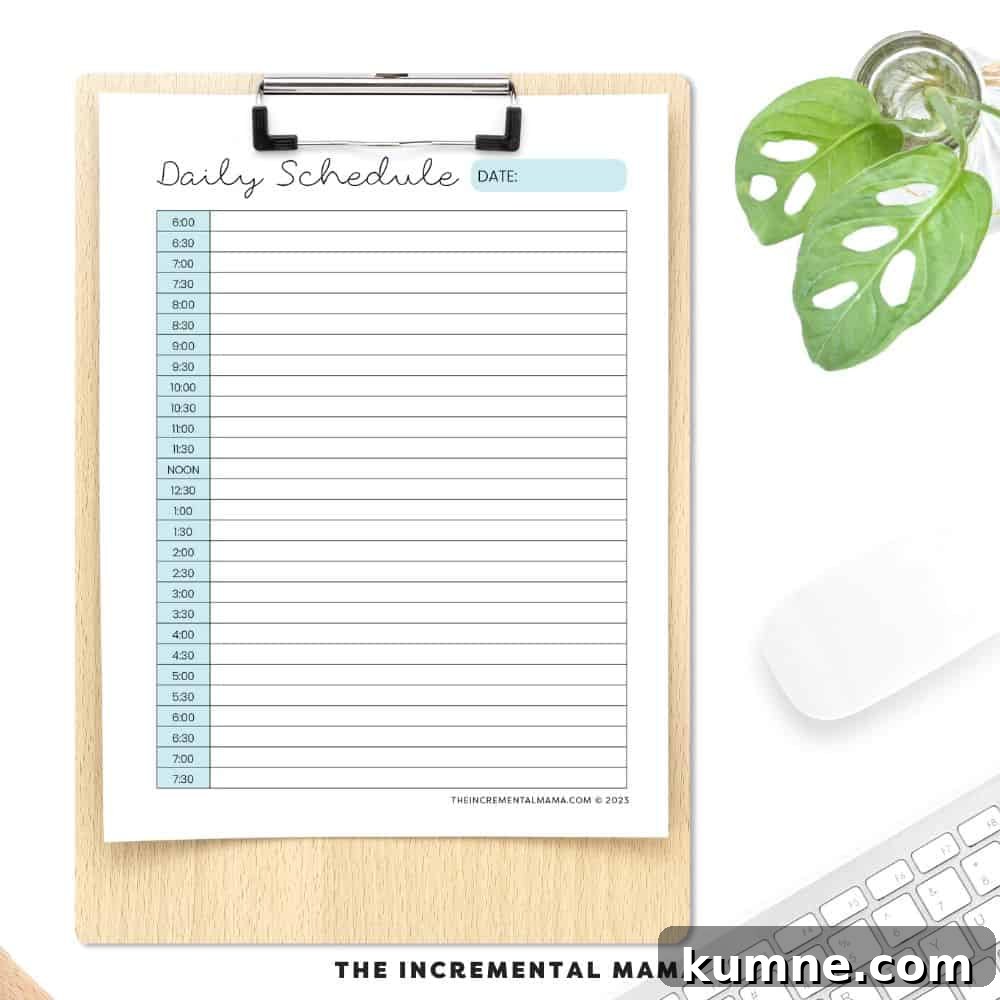
6. Daily Schedule Template
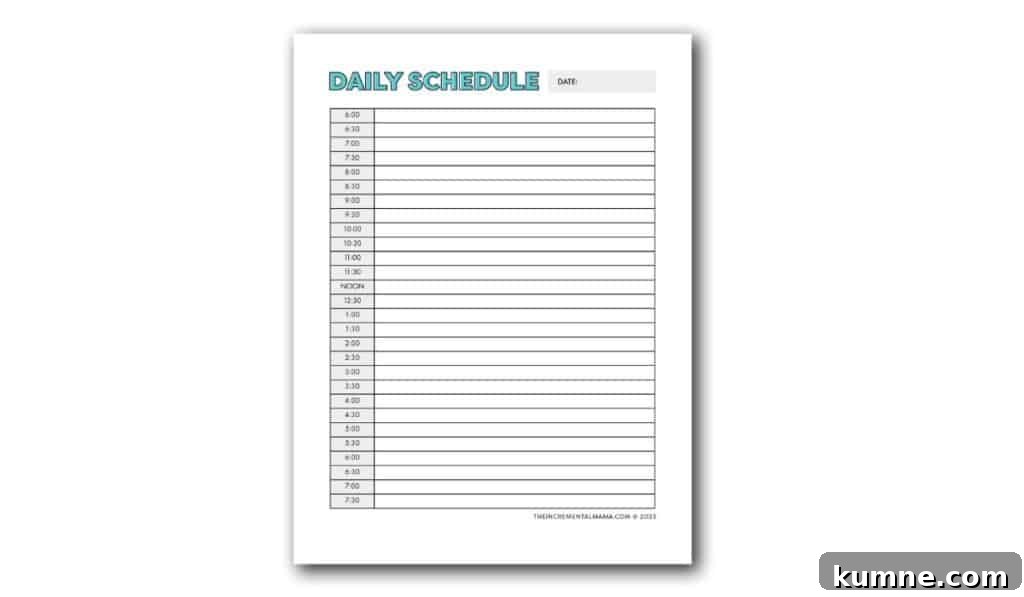
7. Daily Time Blocking Schedule
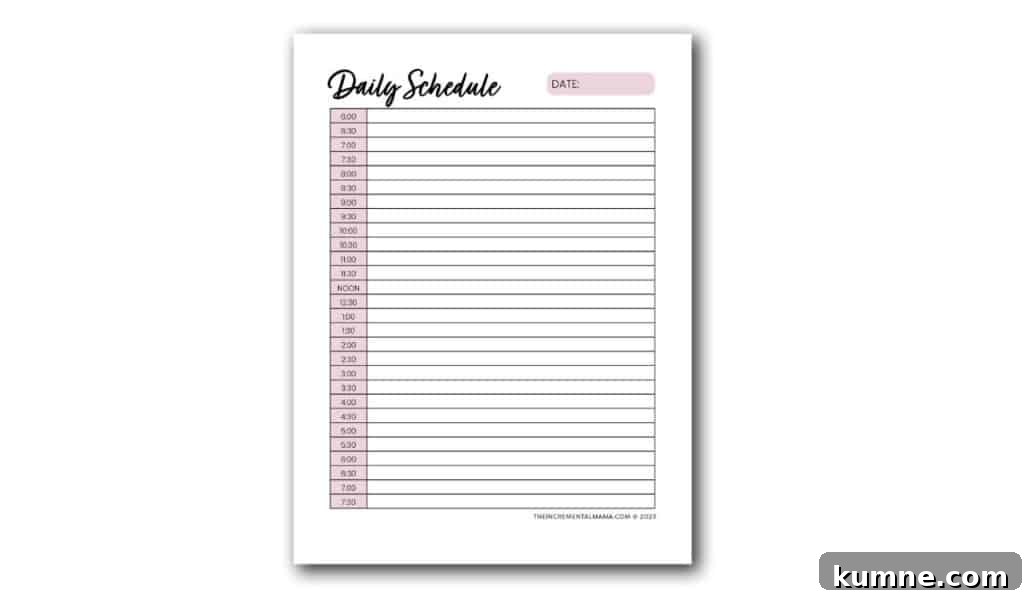
8. Free Printable Time Block Planning Template
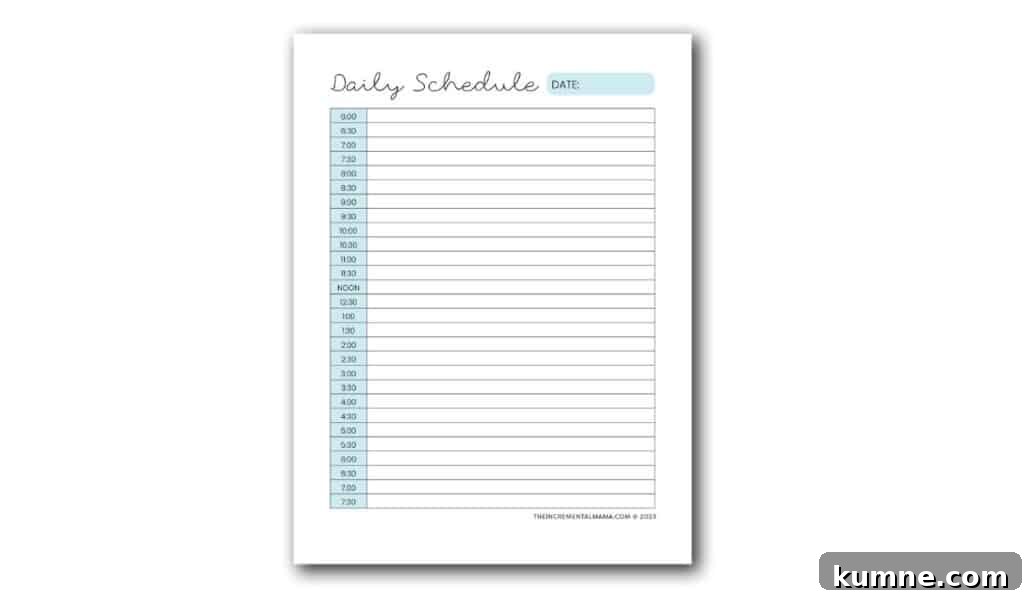
Time Blocking: The Simple Way to Get More Done
Give time blocking a try. It’s a practical way to take back your time and make room for the activities that bring you joy.
Download a free time block planner above or use a starter planning kit that includes a time blocking template along with daily and weekly planning pages.
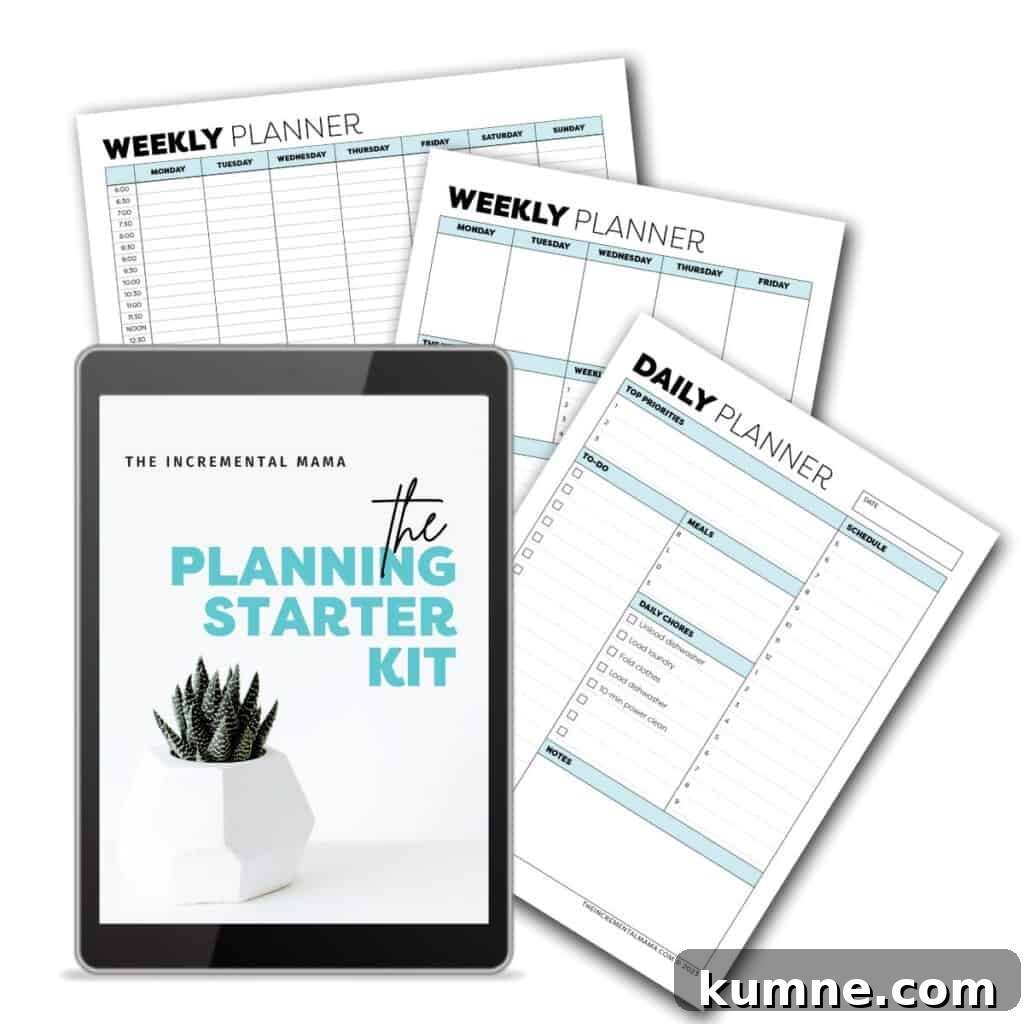
A basic planning kit typically includes:
- A guide to getting started
- Daily planning template
- Weekly planner
- Weekly time blocking printable
You may also like: