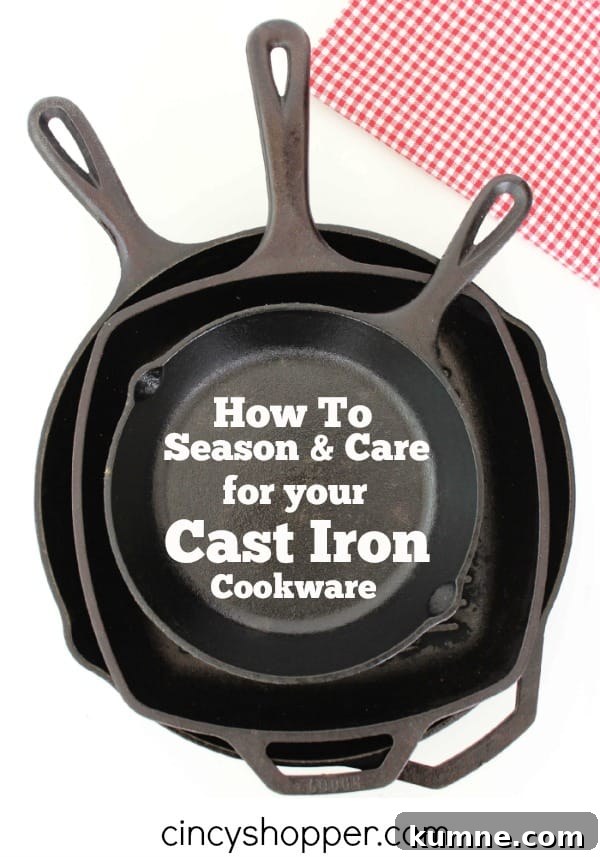
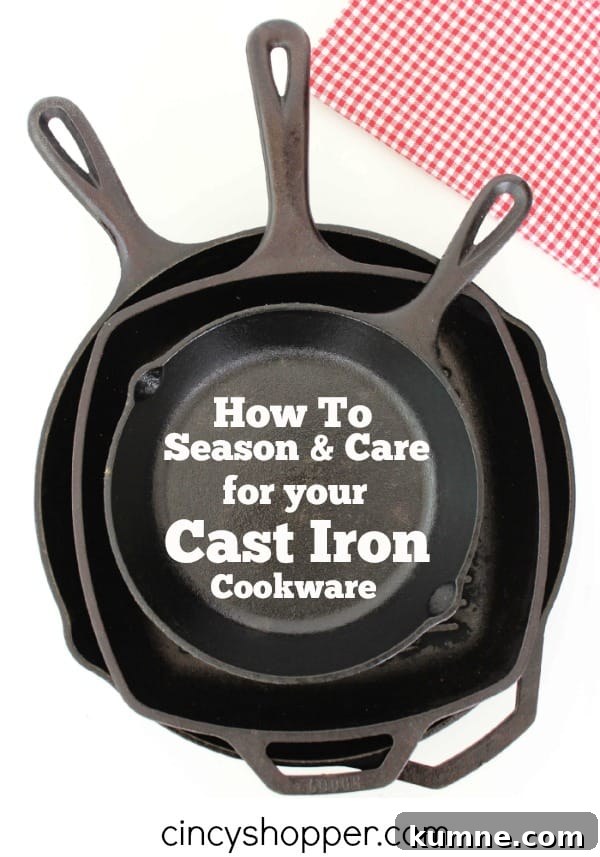
How to Season and Care for your Cast Iron Cookware
Cast iron cookware is durable, versatile, and prized for its ability to deliver excellent heat distribution and long-lasting nonstick performance—when cared for properly. If you’re new to cast iron or want to refresh your routine, the basics are simple: keep it clean, dry, and lightly oiled. These steps will preserve the seasoning, prevent rust, and ensure the pan performs for decades.
After cooking, clean your cast iron while it is still warm. Rinse with hot water and use a stiff plastic brush or scouring pad to remove food particles. Avoid harsh detergents and metal scouring pads that can strip the seasoning. For stubborn residue, sprinkle coarse salt into the pan and scrub with a paper towel or pad; the salt acts as a natural abrasive without damaging the surface.
Once the pan is clean, dry it thoroughly. Place the skillet on a low burner for a few minutes to evaporate any remaining moisture—this step is critical because residual water can cause rust. When the pan is completely dry, apply a light coating of cooking oil (vegetable oil, canola, or a seasoning oil) to the inside surface using a paper towel. Wipe away any excess so you’re left with a thin, even film.
Repeat this simple clean-dry-oil routine after each use and your pan’s seasoning will improve over time, creating a smooth, naturally nonstick surface. The benefits of cast iron go beyond nonstick performance: it retains heat exceptionally well and produces a superior sear for steaks, chops, and vegetables.
There are two drawbacks to keep in mind: weight and heat transfer. Cast iron is heavy compared with modern cookware, and handles get very hot during use. Use a sturdy grip and oven mitts or silicone handle covers to protect your hands when moving pans from stovetop to oven.
If the seasoning is damaged or the pan develops rust, you can reseason it. Preheat your oven to about 350°F (175°C). Clean the skillet thoroughly, removing rust and any loose residues. Rub a thin layer of vegetable oil over the entire skillet, inside and out, and place it face down on the center oven rack. Put a baking sheet or foil-covered tray on the lower rack to catch any drips. Bake for about an hour, then turn off the oven and let the skillet cool inside the oven. This process bonds the oil to the metal, rebuilding the protective seasoning.
With proper care and occasional reseasoning, a cast iron skillet will become more nonstick and more reliable over time. Many home cooks prefer cast iron for tasks that benefit from steady heat and a strong sear. If you can accommodate the weight and protect your hands from hot handles, cast iron is a smart, long-lasting choice for everyday cooking.
Keep the routine simple: clean with hot water and a scrubber, dry thoroughly on the stove, and apply a light coat of oil before storing. Avoid leaving the pan soaking in water or washing it with harsh detergents. Follow these habits and your cast iron cookware will reward you with years of excellent performance and delicious results.