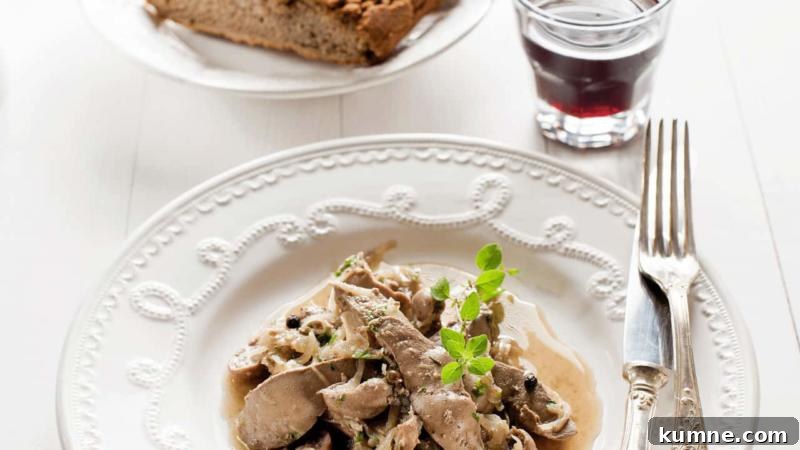
Why Do You Soak Liver in Milk Before Cooking?
Liver is widely praised for its nutritional value, but its strong flavor and unique texture put many people off. That characteristic metallic or intense taste and slightly grainy, meaty texture can make it a challenge to enjoy. Fortunately, a simple and time-tested method — soaking liver in milk — can dramatically improve its flavor and texture.
Soaking liver in milk for about three hours before cooking is a common culinary trick. The process mellows the liver’s aggressive flavor, reduces its distinctive smell, and helps soften the texture so it’s less grainy and more pleasant to eat.
Table of Contents
Why do you soak liver in milk before cooking?
Soaking liver in milk delivers three clear benefits: it tenderizes the meat, reduces the strong odor, and softens the intense flavor. For best results, soak liver for about three hours in milk before cooking.
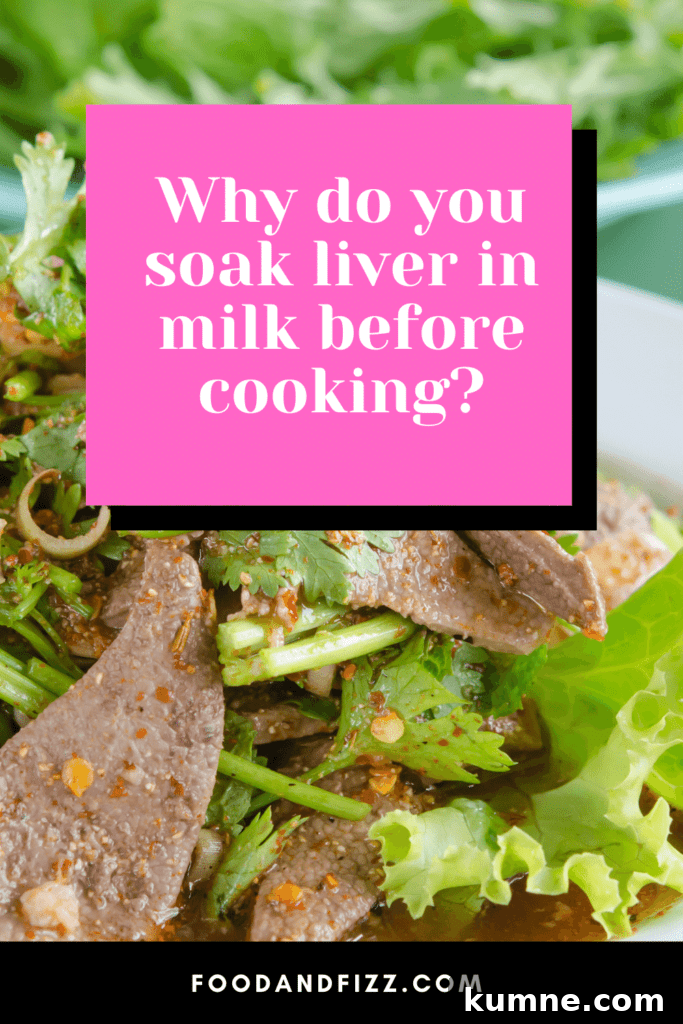
Soaking liver in milk
Taking a little extra time to prepare liver pays off. Many people simply slice and cook liver right away, but a few extra steps improve aroma, flavor, and mouthfeel substantially.
Soaking liver in milk is a reliable technique that delivers noticeable improvements. It’s simple, effective, and worth the effort if you want a milder, more tender result.
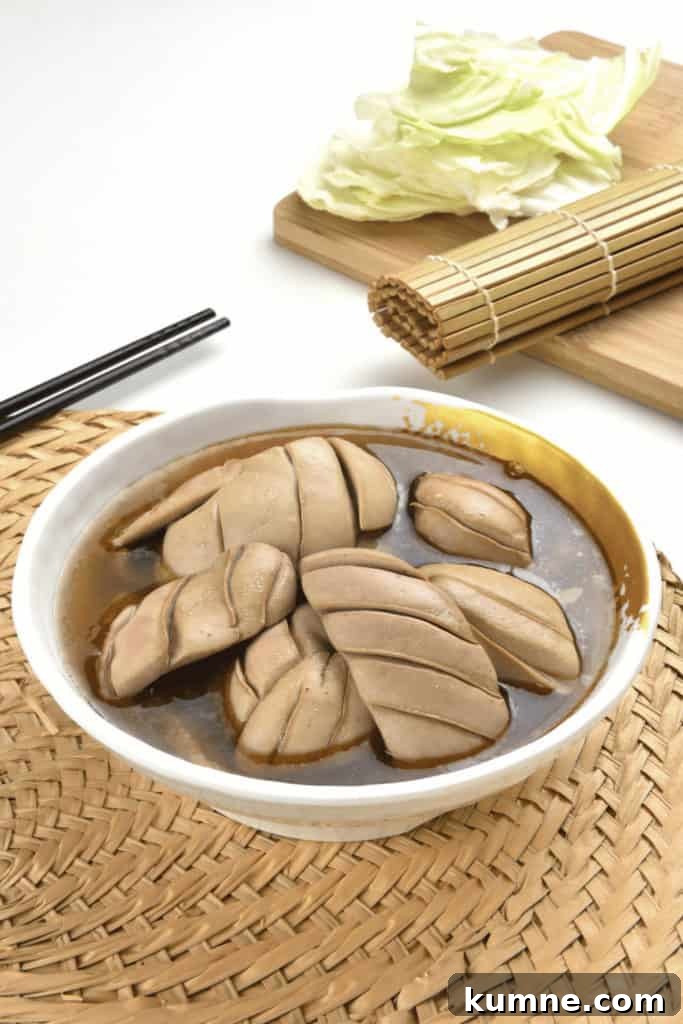
Cutting, slicing, and soaking the liver
Before soaking, trim the liver properly. Place it upside down on the cutting board to expose veins and tubes, then remove them where possible. Peel away the outer membrane; although some skip this step, removing it helps the milk penetrate more evenly, resulting in more tender, milder-tasting liver.
Once trimmed and cleaned, place the liver in a bowl or shallow dish and cover it with milk. Keep it refrigerated and let it soak for around three hours. For a quicker approach you can soak for one hour, but three hours gives the best balance of tenderness and flavor reduction.
This technique is one of those rare kitchen shortcuts that genuinely works. If you haven’t tried it, expect to be surprised by how much softer and less assertive the liver becomes.
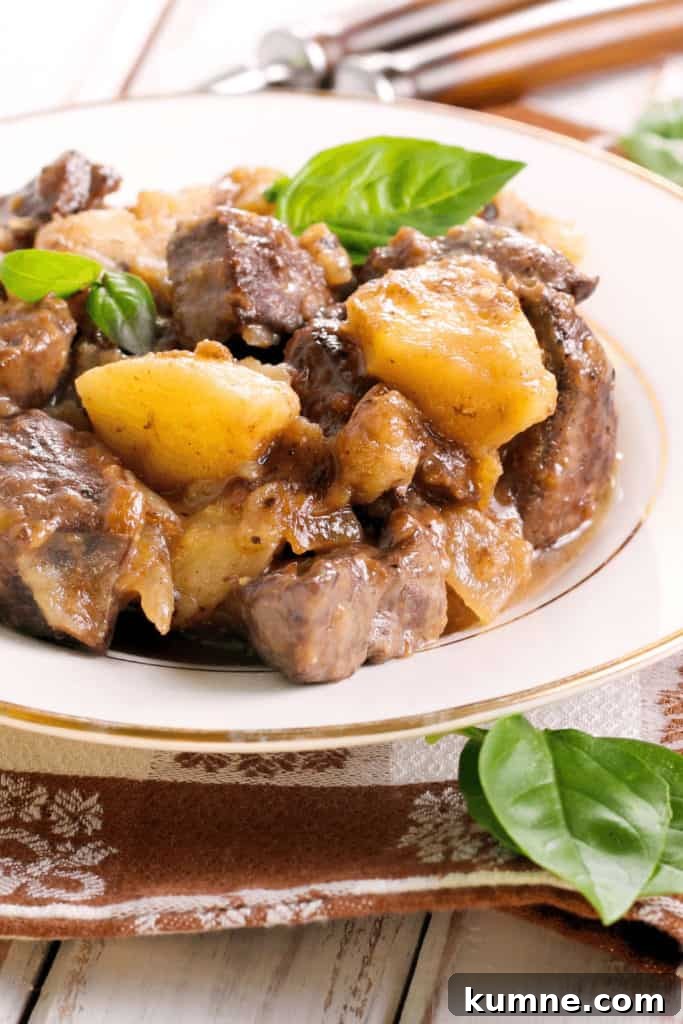
Deep dive into soaking liver in milk
Soaking liver in milk affects taste and texture but does not significantly change its nutritional profile. Liver remains rich in iron, vitamins A and B, and other nutrients whether soaked or not.
Choose livers that look fresh—chicken livers, for example, should be pink and rosy inside. Their natural smoothness and mild flavor respond particularly well to milk soaking, producing an even more appealing result.
Soaking in milk can also help when defrosting frozen liver. Using cold milk to thaw allows you to both defrost and begin the flavor-mellowing process at the same time, saving time and improving the final taste.
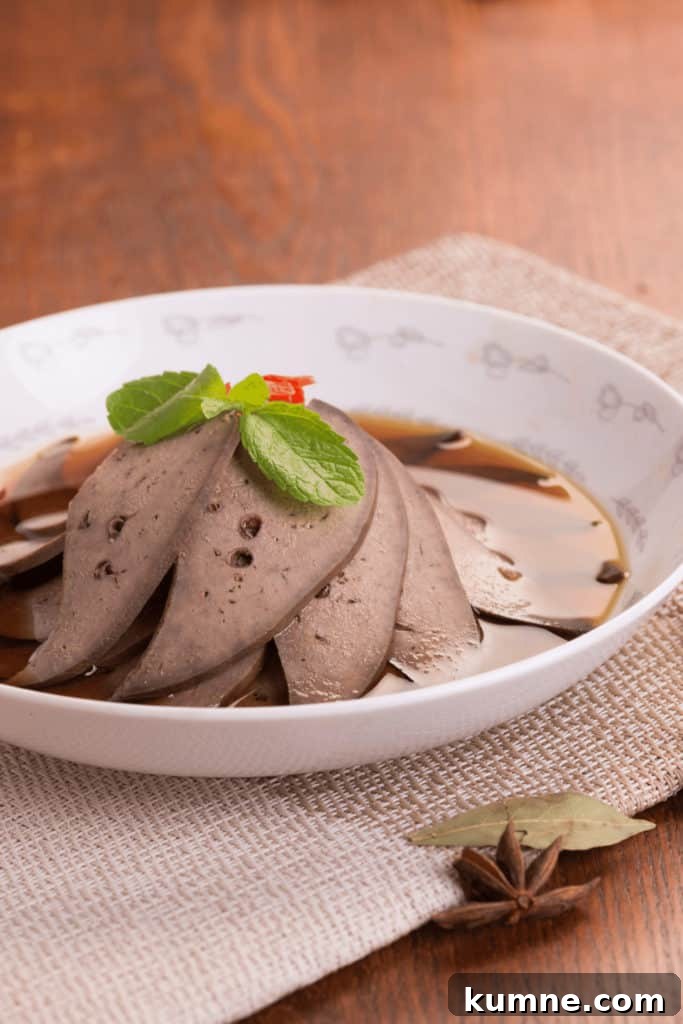
Cooking milk-soaked liver
When cooking milk-soaked liver, avoid overcooking. A quick sear in a hot skillet—just a few minutes per side depending on thickness—will preserve tenderness and prevent bitterness. Overcooking makes liver tougher and can bring out an unpleasantly chalky or bitter taste.
After soaking, pat the slices dry before seasoning and searing. This helps achieve a good crust while keeping the inside tender and flavorful.
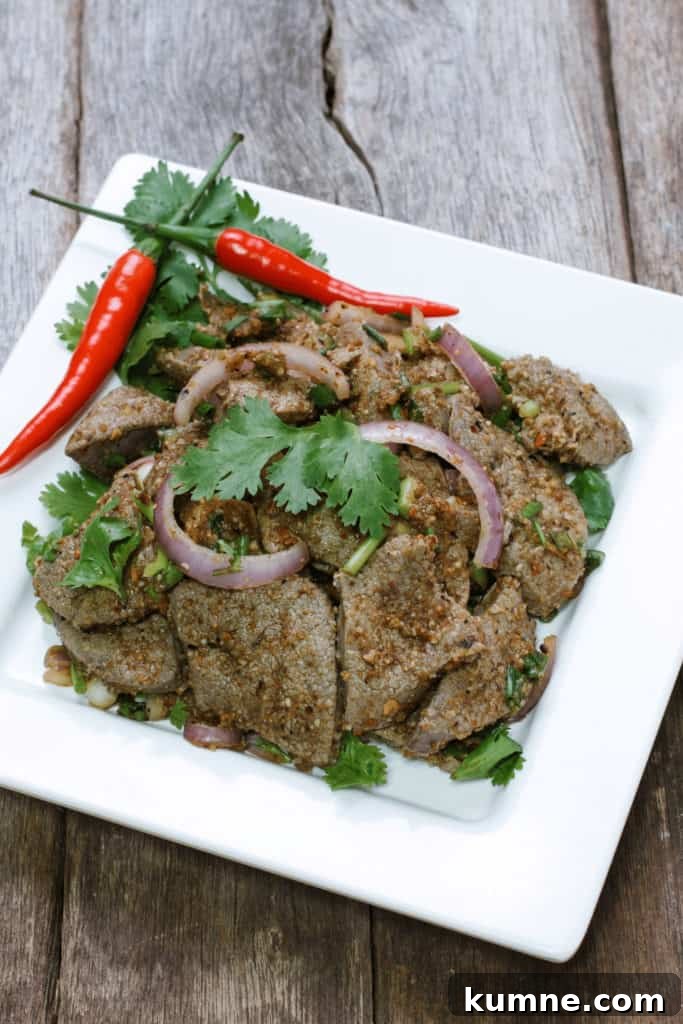
Health benefits of eating liver
Liver is one of the most nutrient-dense foods available. It provides iron, high-quality protein, and an abundance of vitamins, notably A and several B vitamins. These nutrients support energy, immune function, and overall health.
However, liver is also high in cholesterol and vitamin A, so moderation is important. For most people, eating liver once a week or a few times a month is a sensible approach to enjoy its benefits without overdoing cholesterol or preformed vitamin A.
Frequently Asked Questions
Everyone touts liver as a great health benefit, but aren’t there side effects too?
Not exactly side effects, but considerations: liver is high in cholesterol and vitamin A. People with cholesterol issues or who must limit vitamin A should moderate their intake. Eating liver once a week or a few times a month is generally recommended for most people.
What is the connection between liver and Hypervitaminosis A?
Liver contains high amounts of vitamin A. Consuming it excessively and frequently over time can lead to hypervitaminosis A, a condition caused by vitamin A toxicity. Symptoms may include bone pain, changes in skin color, liver damage, increased intracranial pressure, and vision problems. To avoid this, limit liver consumption to recommended intervals rather than daily large portions.
For most people, enjoying liver a couple of times a month or up to once a week is safe and allows you to benefit from its nutrients without risking vitamin A overload.
Afterword: Why do you soak liver in milk before cooking?
Liver is a highly nutritious ingredient that can be very enjoyable when prepared correctly. Soaking it in milk before cooking is a simple, effective method to reduce strong flavors and improve texture. If you’re curious about trying liver or want a healthier, nutrient-dense addition to your meals, milk-soaked liver is an easy, practical way to make it more palatable.