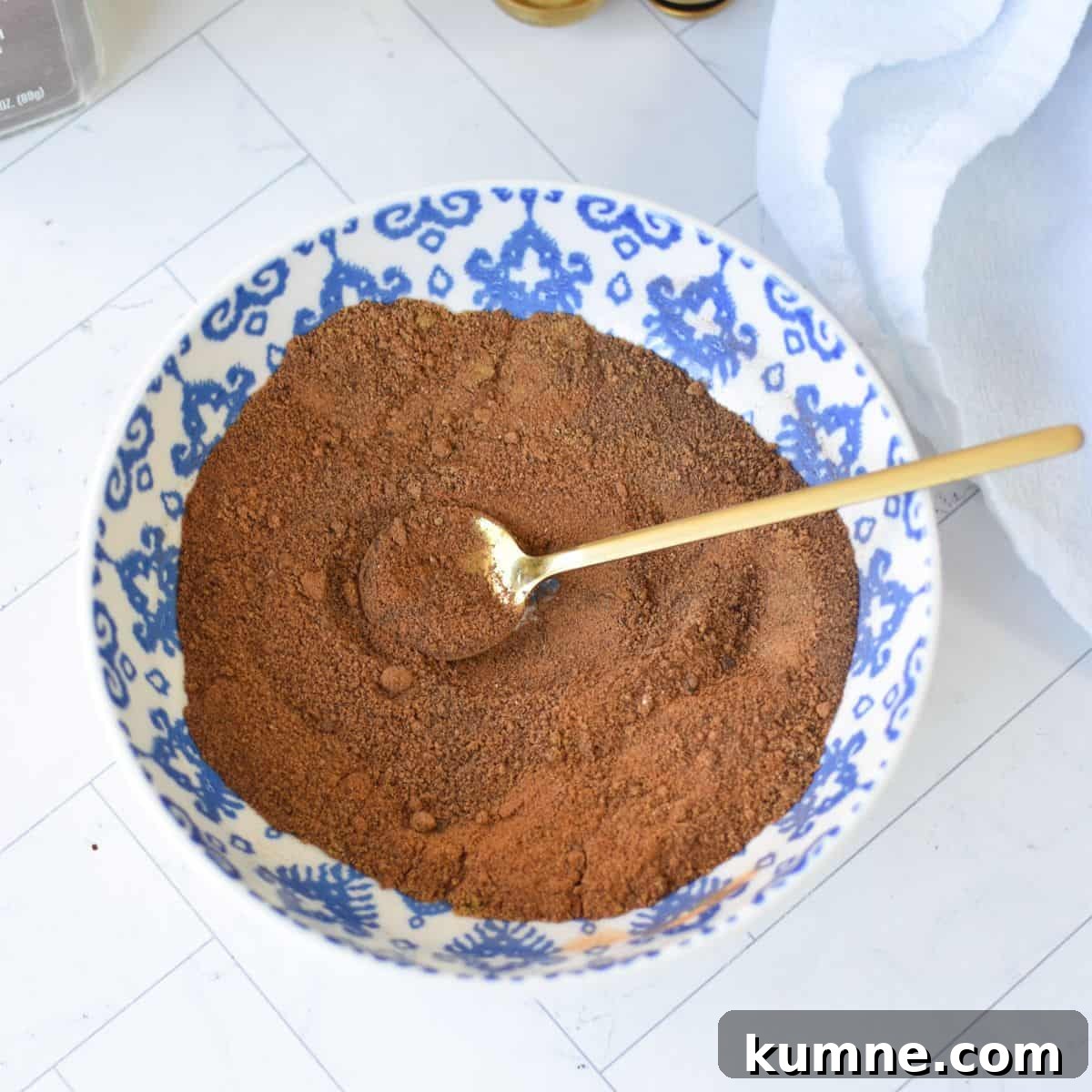
This homemade Lebanese Seven Spice Blend is warm, fragrant, and deeply aromatic, with cinnamon and allspice leading the way. It takes five minutes to make, keeps up to six months, and forms the flavor backbone of many Lebanese dishes.
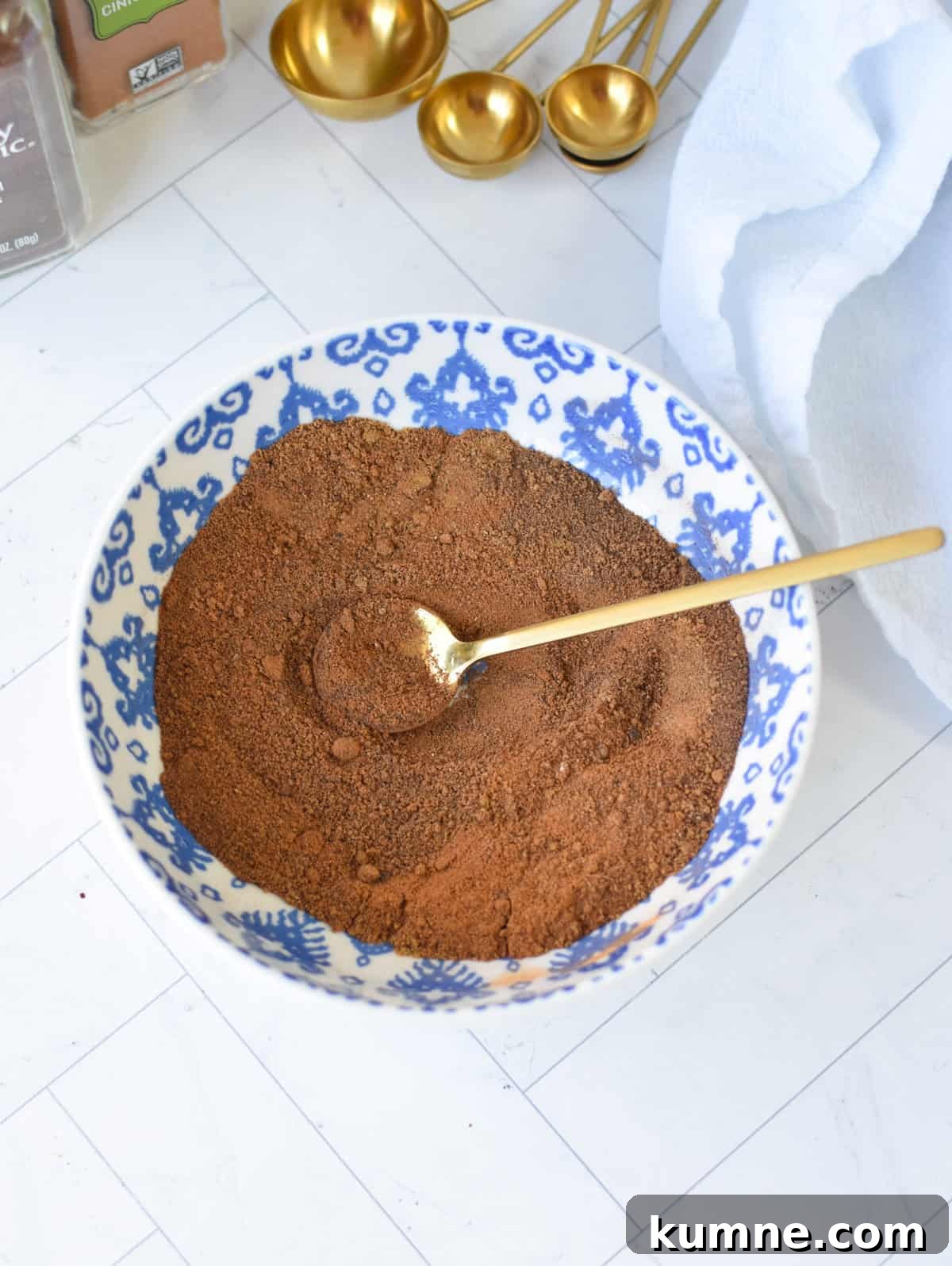
Some of my earliest food memories are built around aromas: walking into my grandmother’s kitchen and being greeted by the warm, sweet, earthy scent of spices in a hot pan. Cinnamon in meat dishes, cumin threading through rice, and coriander adding a floral lift I couldn’t name as a child but always recognized. Growing up with Lebanese heritage, these spices were constant and are combined in the traditional Lebanese Seven Spice Blend.
Lebanese 7 spice, also called sabaa baharat, literally means “seven spices” in Arabic. You’ll find it in kafta, rice, soups, stews, and roasted vegetables. It’s warm and aromatic rather than hot, with a subtle sweetness from cinnamon and allspice that sets it apart. Once you make a jar, you’ll reach for it often — and it takes just a few minutes to mix.
Why Make Your Own 7 Spice Blend?

Store-bought blends vary widely: some are heavy on cloves, some have lost their aroma from age, and others include fillers. Making your own gives you control over the ratios and ensures a fresh, vibrant aroma. Most of the required spices are likely already in your cabinet, and mixing them fresh produces a noticeable difference when you open the jar.

The 7 Spices and What Each One Does
Knowing what each spice contributes helps you use the blend more thoughtfully.
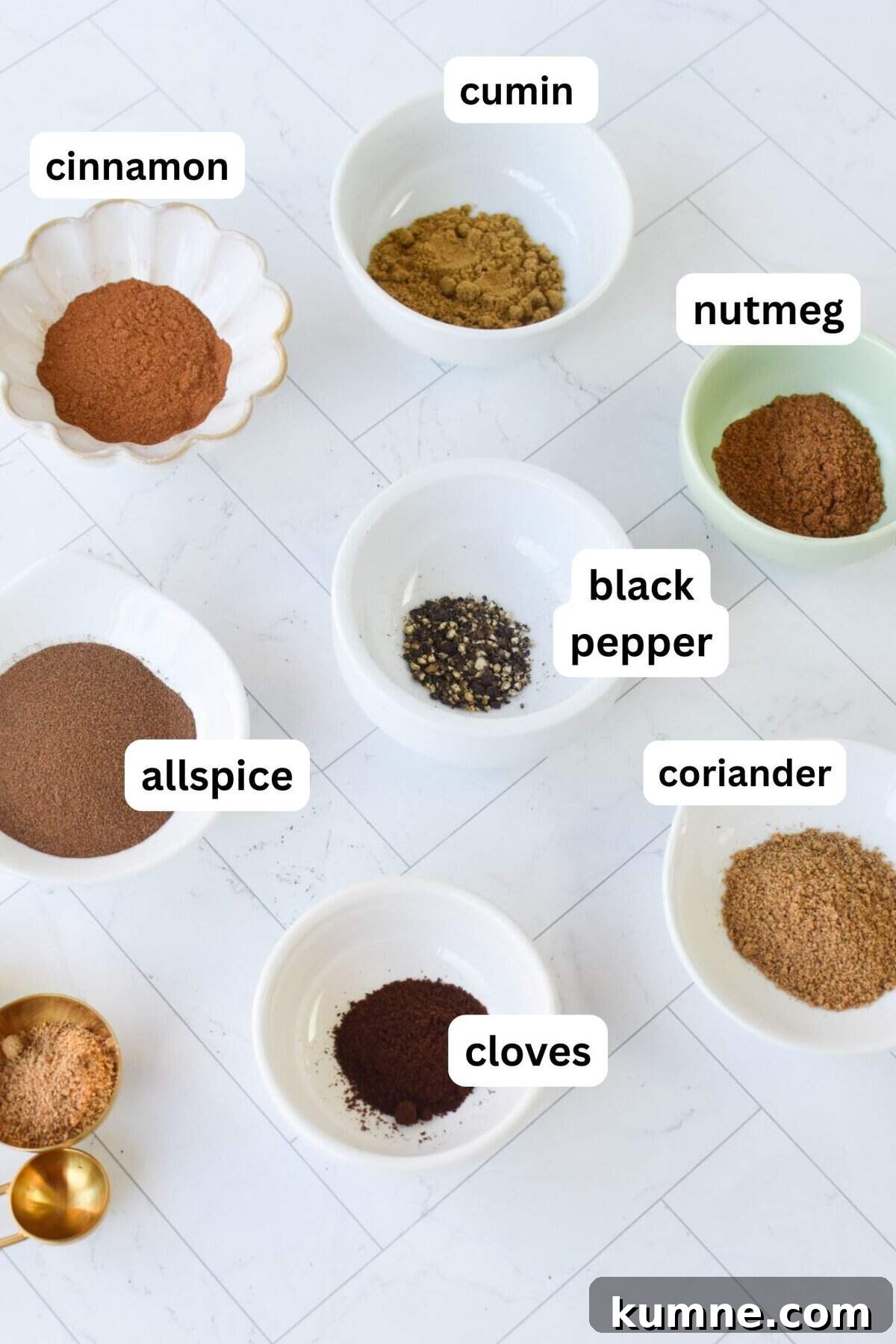
- Allspice (the foundation): Tasting of cinnamon, cloves, and nutmeg together, allspice ties the blend together and gives it a recognizably Lebanese character. It’s used in the largest amount for a reason.
- Black pepper: Adds dry, gentle heat to prevent the blend from becoming too sweet. Freshly ground pepper is best.
- Cinnamon: Common in savory Lebanese cooking, cinnamon adds warmth and depth, especially in meat dishes, without becoming overtly sweet.
- Coriander: Earthy with a slight citrus-floral note, coriander smooths sharper edges and adds complexity.
- Cumin: Warm, nutty, and earthy, cumin grounds the blend and gives it Middle Eastern depth.
- Cloves: Extremely aromatic; a small amount keeps them present without dominating the mix.
- Nutmeg: Sweet and slightly woody; like cloves, it’s potent and is used sparingly for balance.
Ground vs. Whole Spices
Ground spices are practical and quick, and the blend will last about six months. For a deeper aroma, toast whole spices in a dry skillet for 2–3 minutes until fragrant, then grind them fresh. The upgrade is noticeable: the blend smells more vivid and the texture is slightly richer. Use ground spices for weeknight cooking and reserve whole-spice grinding for special dishes like kafta or kibbeh.
How to Make Lebanese Seven Spice
Mixing the blend is simple, but a few small steps make a big difference in the final result.
Step 1: Check your spices. Open each jar and smell it. Fresh allspice should be warm and complex, cumin earthy, and cinnamon sharp. Replace any spice that smells weak to avoid a flat final blend.
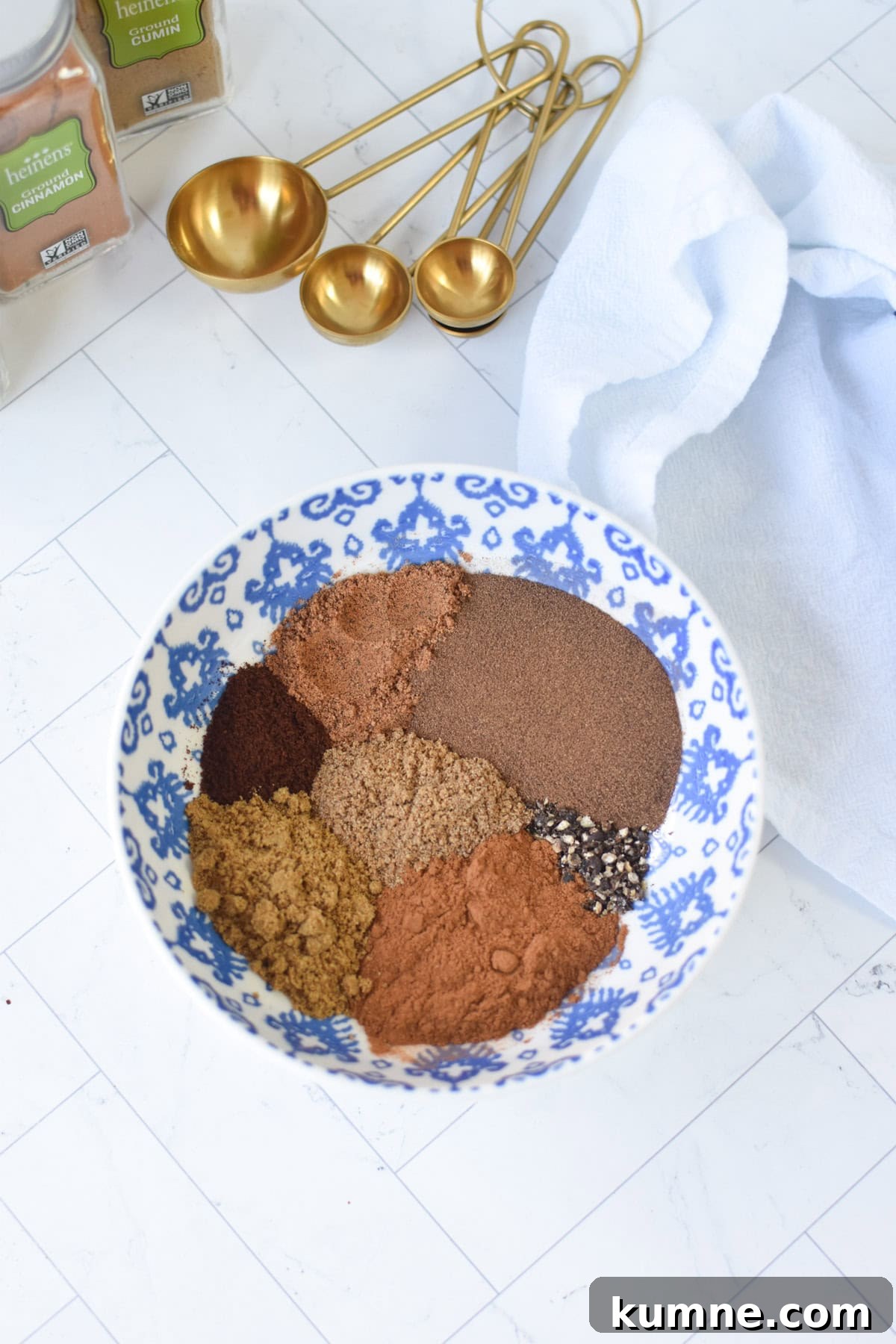
Step 2: Measure into a small bowl. Add all seven spices. If you just ground whole spices, let them cool briefly to prevent clumping.
Step 3: Whisk to combine. Stir with a small whisk or fork until the color is uniform with no streaks. This takes about 30 seconds but matters for even seasoning.
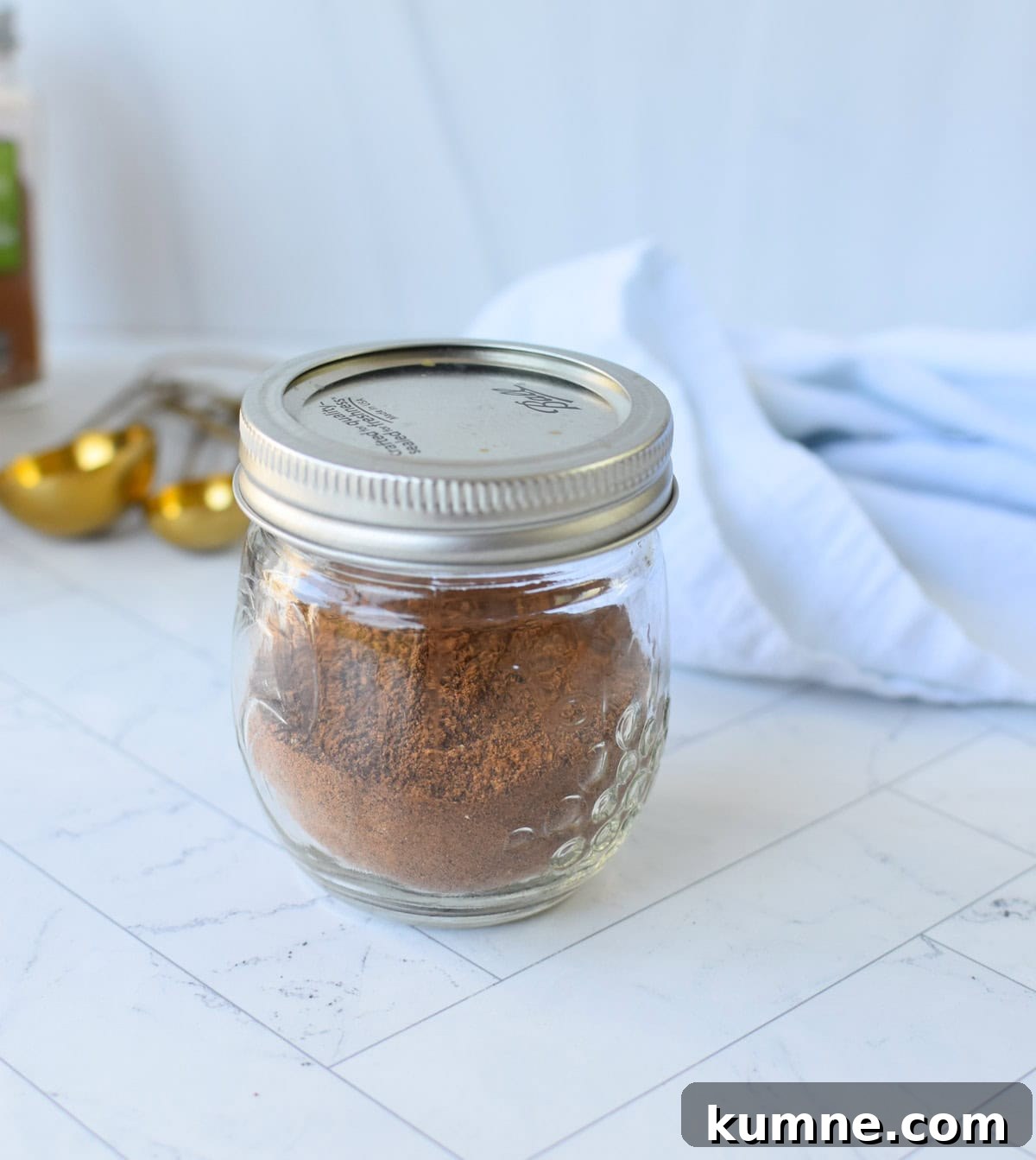
Step 4: Transfer to a glass jar. Use a small funnel if you have one, and label the jar with the date.
How to Use Lebanese 7 Spice in Your Cooking
Here are practical ways to use the blend so it becomes a regular part of your cooking.
- In ground meat dishes: This is the blend’s home. Use 1 to 1 1/2 teaspoons per pound of meat for kafta, hashweh, or spiced ground beef. Add it to the meat before adding liquid so the spices bloom in the fat as the meat browns.
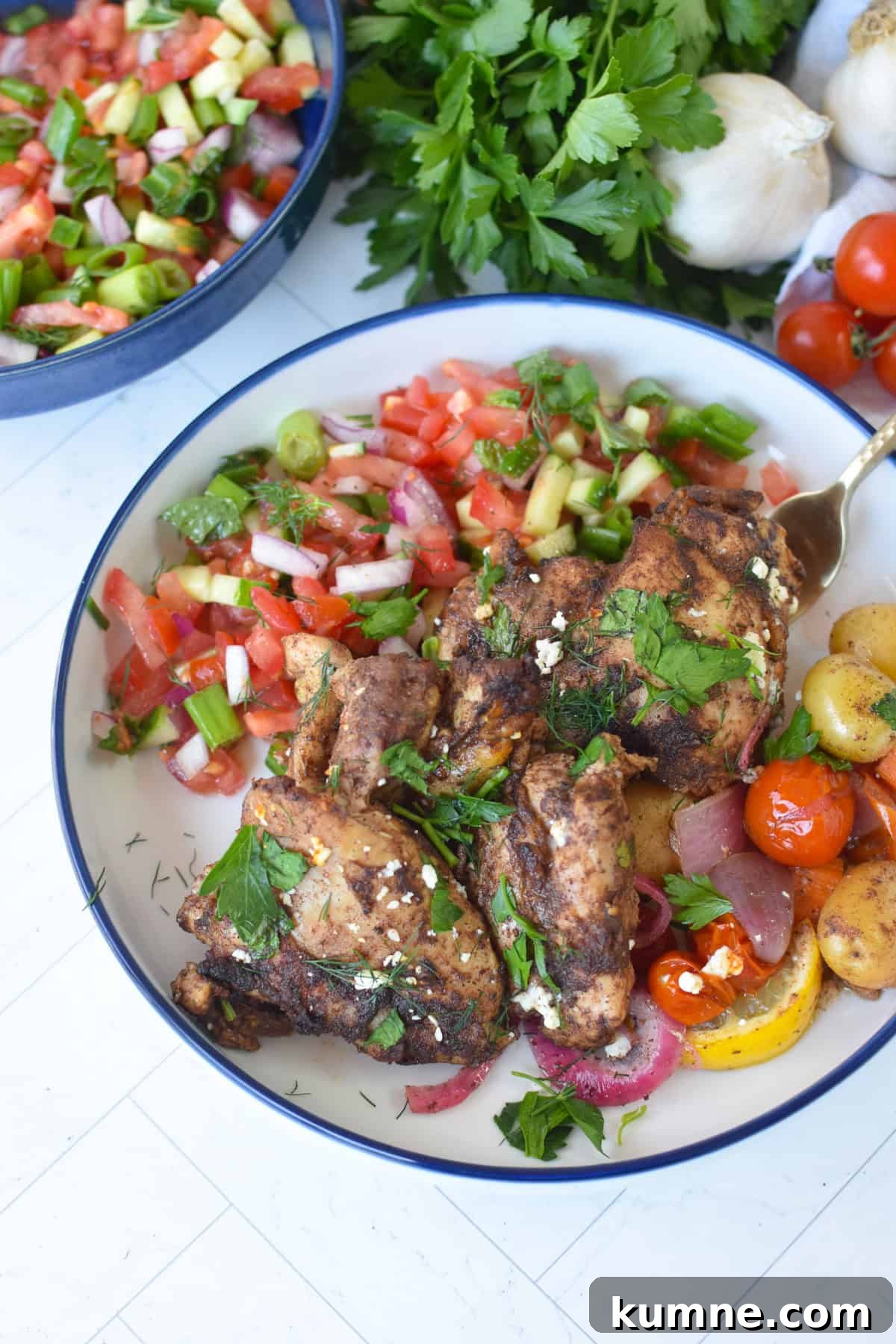
- As a dry rub for chicken: Mix 2 teaspoons of 7 spice with salt and rub on chicken thighs before searing or roasting. Cinnamon and allspice help form a caramelized, savory crust.
- In rice: Add 1 teaspoon to oil before toasting rice to perfume the whole pot—ideal for Lebanese rice with vermicelli.
- In lentil soup: Stir a teaspoon into lentil soup to add a layer of complexity beyond cumin alone.
- On roasted vegetables: Toss cauliflower, sweet potatoes, or chickpeas with olive oil and 7 spice and roast at 425°F until caramelized.
- In a marinade: Combine 1 1/2 teaspoons with olive oil, lemon juice, and garlic for a quick Lebanese-style marinade for chicken or lamb.
- On hummus: Sprinkle a light dusting of 7 spice over hummus instead of paprika for a more nuanced finish.
Storage Instructions
- Stored in a glass jar in a cool, dark cabinet, the blend remains fragrant for up to six months. After that the aroma fades even if it doesn’t smell off.
- Keep the jar away from the stove—heat and humidity age spices quickly. A pantry shelf or a cabinet across the kitchen will extend its life.
- If you cook Lebanese food often, consider making double or triple batches; you’ll use it faster than you expect.
Recipe FAQ
They are related but not identical. Baharat is a general Arabic term for spice blends and varies regionally. Lebanese sabaa baharat is allspice-forward; some baharat blends include paprika and taste different. They’re often interchangeable, but for Lebanese recipes this specific 7 spice is preferred.
No. Lebanese 7 spice is warm and aromatic, not hot. Black pepper provides mild background heat; add cayenne if you want more spice.
In a pinch, yes. Ground allspice carries cinnamon, clove, and nutmeg notes and can work as a quick substitute, though it won’t be identical.
Absolutely. The ratios scale well and making a larger batch is practical if you use the blend frequently.
More Lebanese Recipes
Mediterranean
Sumac Onions (Easy Lebanese Condiment)
Mediterranean
Easy Lebanese Salad
Beef
Lebanese Meat Pie Recipe (Sfeeha / Fatayer)
Beef
Meat Stuffed Grape Leaves
Lebanese Seven Spice Blend
Ingredients
- 2 tablespoons ground allspice
- 1 tablespoon ground black pepper
- 1 tablespoon ground cinnamon
- 1 tablespoon ground coriander
- 1 tablespoon ground cumin
- 1/2 tablespoon ground cloves
- 1/2 tablespoon ground nutmeg
Instructions
-
Add all spices to a small bowl and whisk until fully combined and the color is uniform.
-
Funnel into a glass spice jar and label with the date.
-
Store in a cool, dark pantry for up to 6 months.
Notes
- Cloves and nutmeg are potent. The smaller ratios are intentional; adjust to taste.
- For a Beirut-style variation, stir in 1 teaspoon of sweet paprika.
- Start with 1 to 1 1/2 teaspoons per pound of ground meat and adjust as needed.
- Freshly ground black pepper makes a noticeable difference if you have a grinder.
- To deepen flavor, toast whole spices in a dry skillet for 2–3 minutes until fragrant, then grind before mixing.
- Store in a glass jar rather than plastic; plastic can absorb essential oils and dull the aroma over time.
- Keep the jar away from direct heat and humidity to preserve freshness.
- This recipe scales easily for larger batches.
Nutrition
Nutrition information is automatically calculated and should be used as an approximation.