
This post is the first installment in a series of practical baking tips and tricks designed to simplify your time in the kitchen. These tips are not secret, but they will make a real difference when you work with flour, eggs, butter, and sugar.

Keep in mind a common saying you’ll see in many cookbooks and online: cooking is an art, baking is a science. In cooking you can improvise—add a pinch more herbs or a little extra butter—and the result is often still good. Baking, however, relies on precise chemistry. Small changes can alter texture, rise, or flavor, and you often won’t know the effect until it comes out of the oven.
Below are carefully chosen, practical baking tips that consistently help produce better results. If you plan to bake anything with flour or eggs soon, these suggestions will be useful.
*This post may contain affiliate links. I participate in the Amazon Services LLC Associates Program, an affiliate advertising program that provides a means to earn fees by linking to Amazon.com and affiliated sites.*
1. Read the entire recipe before you start
Always read a recipe from start to finish before you begin. This simple step prevents unpleasant surprises, like realizing mid-recipe that you need a device or ingredient you don’t have, or that a step requires time you didn’t account for. Reading ahead helps you prepare properly and avoids wasted time, expense, and ingredients.
2. Measure your ingredients correctly
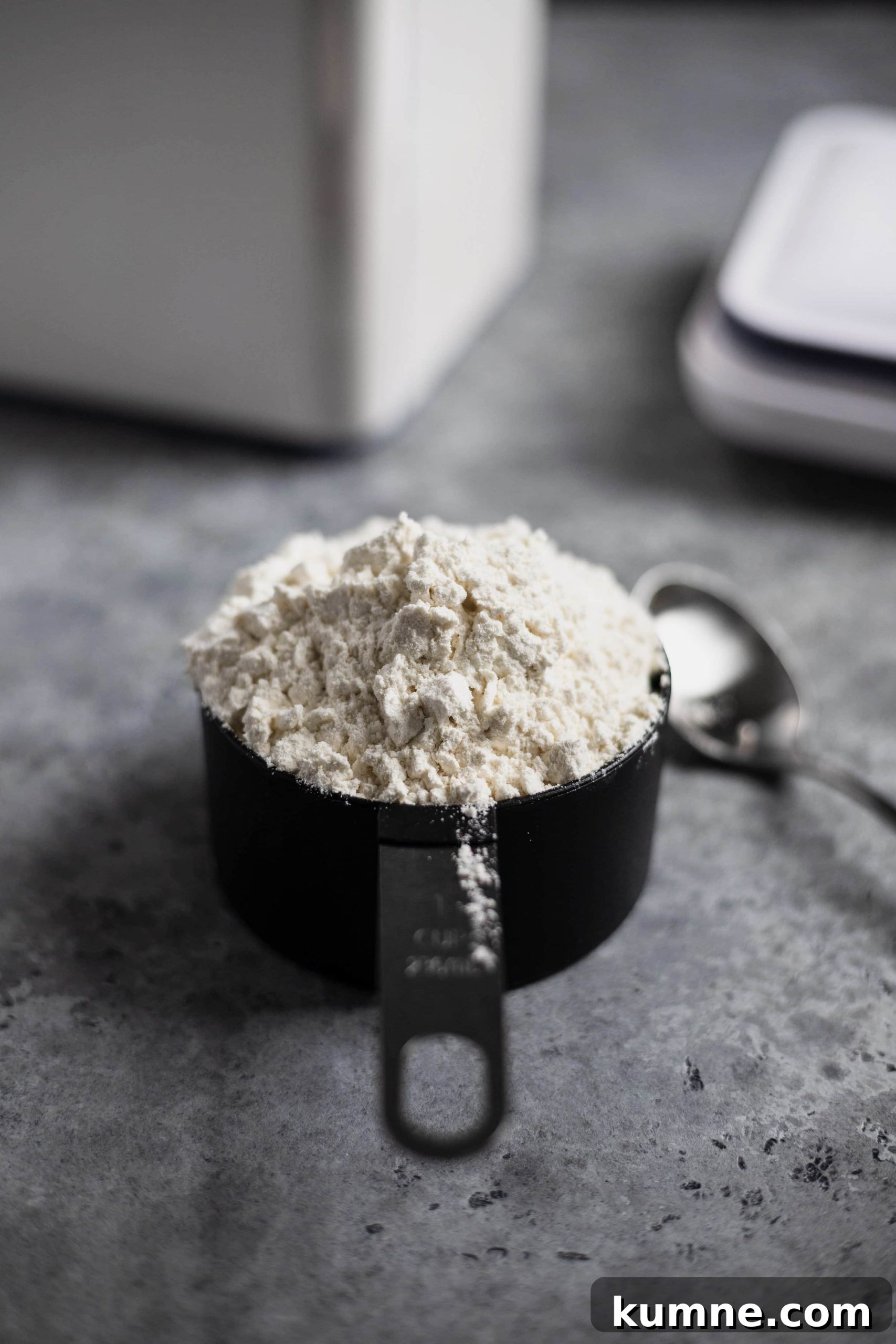
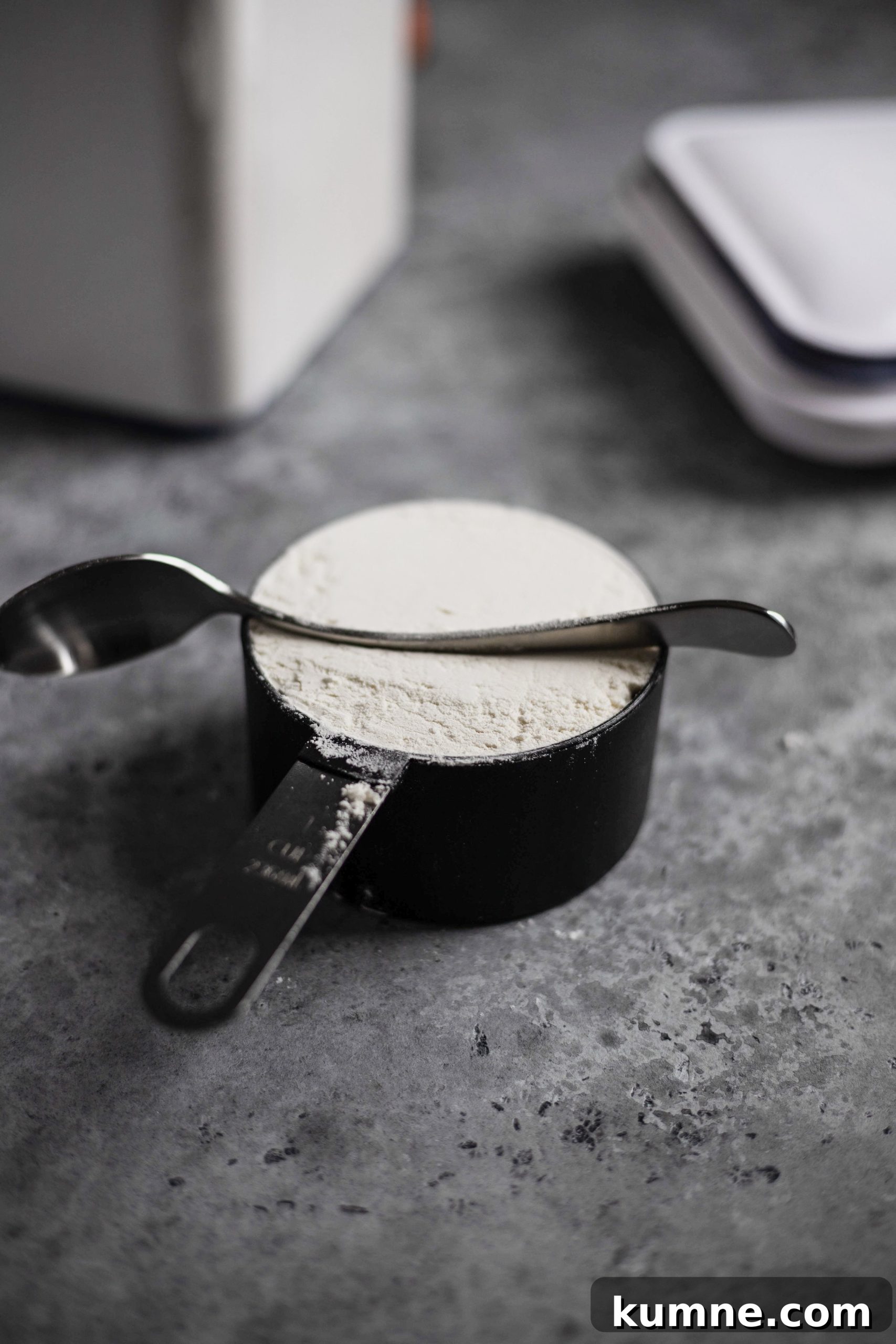
Professional bakers favor weight measurements because they are consistent: a cup of flour can weigh very differently depending on the flour type and how it’s packed. If possible, use a kitchen scale and metric measurements for accuracy. If you must use cups, spoon flour into the measuring cup and level it off with a knife or spatula—don’t scoop directly from the bag. Scooping compresses the flour and can lead to adding too much, which affects texture and structure.
3. Use fresh dry ingredients
Many dry ingredients used in baking, such as baking powder, baking soda, and flour, lose potency over time. Buy smaller quantities if you don’t bake often so ingredients stay fresh. Flour should smell fresh and feel light, not chalky.
To test baking powder, pour 1/4 cup boiling water over 1/2 teaspoon of baking powder—if it bubbles, it’s still active. To test baking soda, add a spoonful to a bowl and pour a splash of vinegar or lemon juice over it—if it fizzes strongly, it’s still good. If it fails these tests, replace the ingredient; expired leaveners will weaken your baked goods.
4. Use an oven thermometer
Ovens often run hotter or cooler than the dial indicates. A difference of even 10–20 degrees can change baking times and texture. An inexpensive oven thermometer placed inside the oven will give you an accurate reading and help you avoid overbaked or underbaked results. When baking, aim to control as many variables as possible—accurate oven temperature is one of the most important.
5. Don’t be afraid of using salt
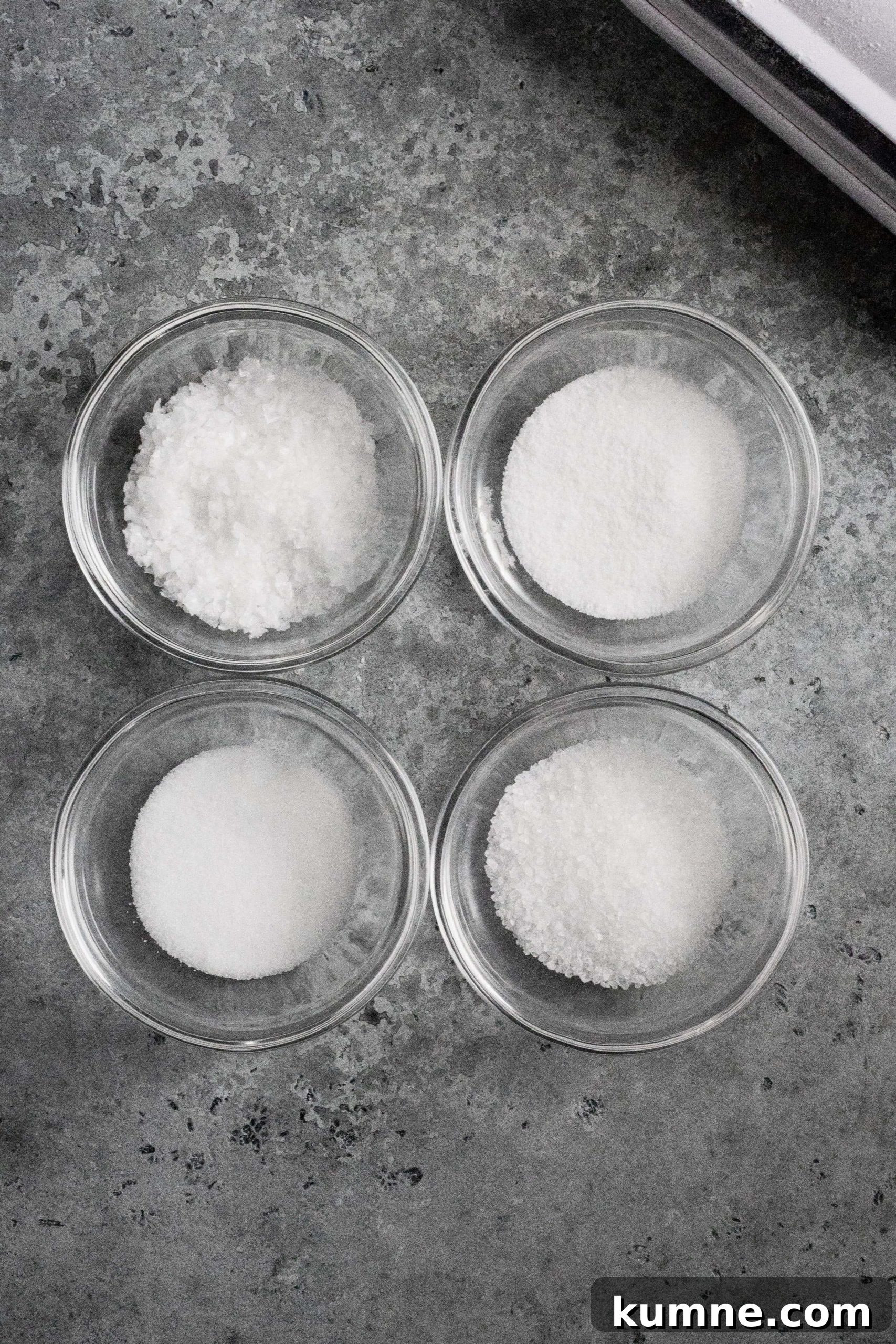 Fleur de sel (top left), fine sea salt (top right), table salt (bottom left), kosher sea salt (bottom right)
Salt enhances flavor and plays functional roles in baking—bread baking benefits from salt’s control of yeast activity and its strengthening effect on gluten; in pastry it can balance richness and encourage browning. Table salt is finely ground and often iodized; iodized salt can impart a slight metallic taste. For most baking, use unsalted or kosher salt so you control the amount of salt added. Keep two salts on hand: a basic kosher or sea salt for everyday use and a finishing salt like Maldon or fleur de sel for texture and final seasoning.
6. Chill your cookie dough
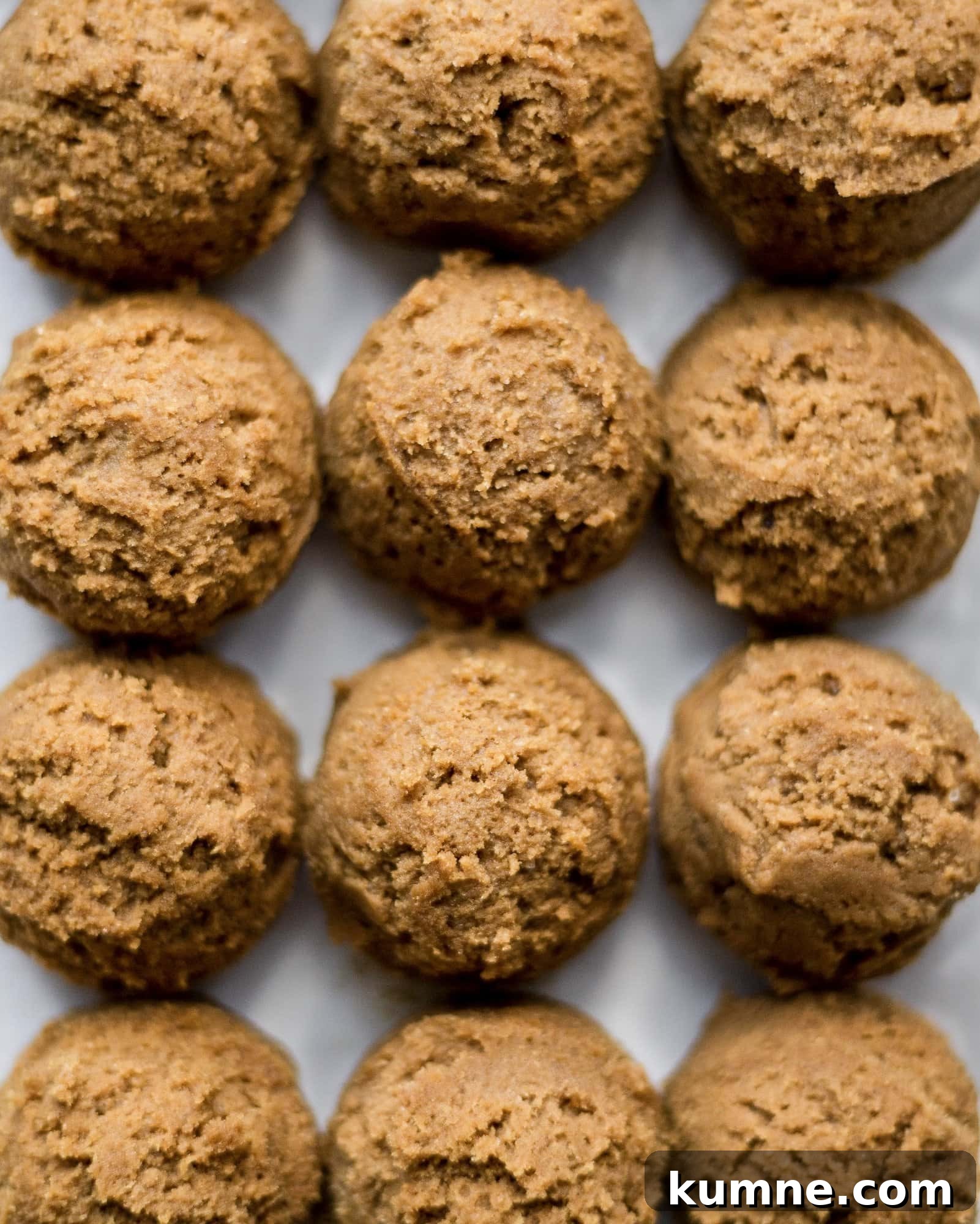
Chilling cookie dough—often for at least 30 minutes—improves texture and appearance. Cold dough spreads less, develops better browning, and yields a chewier crumb because the fats firm up and the flour hydrates. Even a short chill in the fridge or a quick stint in the freezer can make a noticeable difference in your cookies’ final shape and chew.
7. Be patient; let things cool off
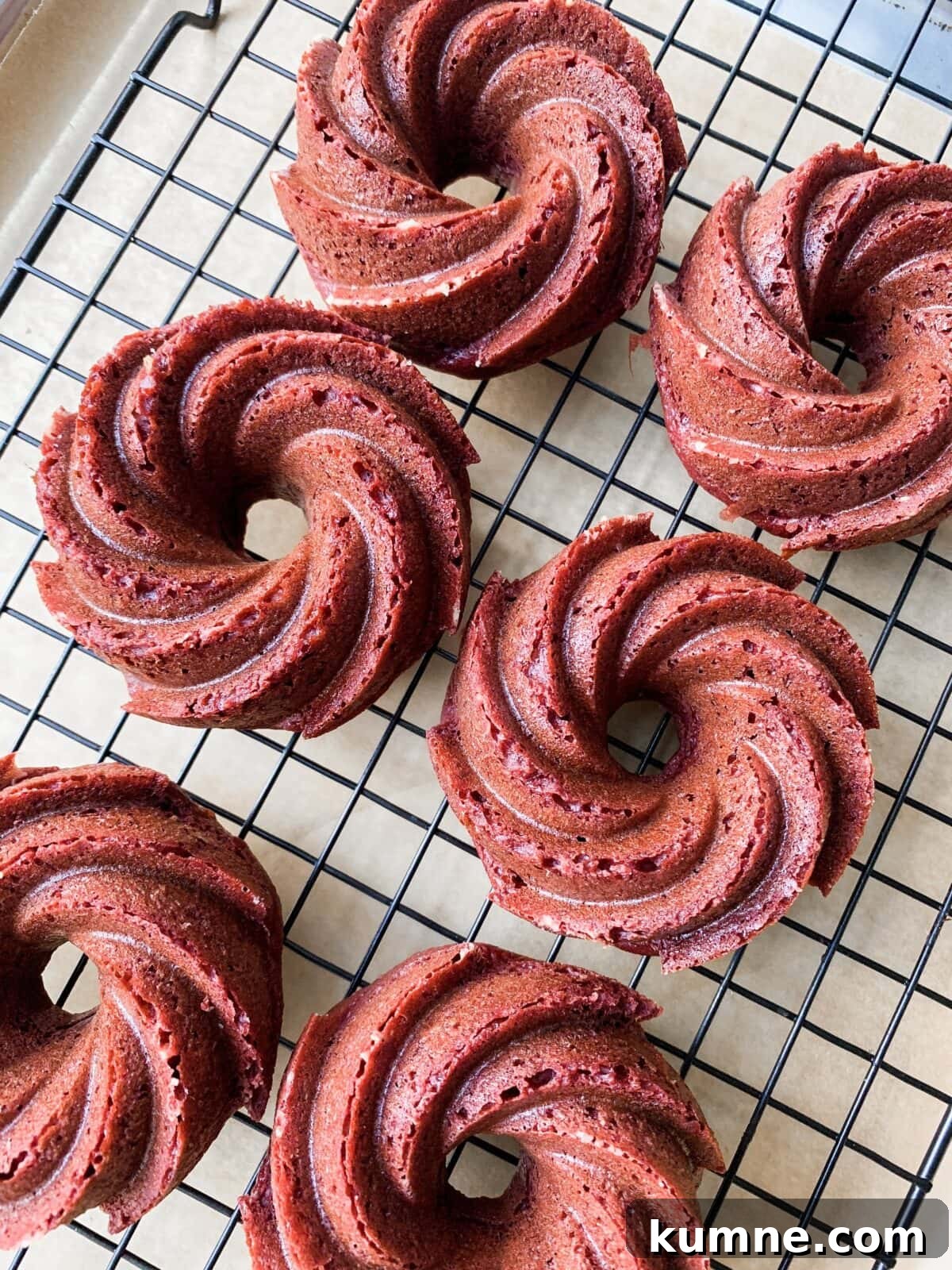
Give baked goods time to cool before removing them from pans or slicing. Cooling on a wire rack allows air to circulate and prevents soggy bottoms. Some items—like breads, brownies, and custard-based pies—continue to set after being removed from the oven and benefit from resting 15–30 minutes. Do not ice warm cakes or cupcakes; wait until they reach room temperature for better results and neater decoration.
8. Use the proper measuring tools
Use dry measuring cups for dry ingredients and liquid measuring cups for liquids. Although they measure the same volume, their designs make certain measurements easier and more accurate: dry cups allow leveling, while liquid cups prevent spills and show an accurate fill line for liquids. For thick ingredients like sour cream or peanut butter, treat them as dry ingredients when the recipe instructs to level off with a knife.
9. Keep fat/oils out of your meringue
When whipping egg whites for meringues or macarons, even tiny traces of fat prevent proper foaming. Use clean, dry metal, glass, or copper bowls rather than plastic, which can retain oil. Make sure your whisk and hands are oil-free. Separate eggs while they’re cold (cracking on a flat surface reduces shell fragments), then let whites come to room temperature for about 30 minutes before whipping to achieve greater volume.
10. Use unsalted butter
Use unsalted butter for baking so you control the salt level. Salted butters vary by brand in their salt content and sometimes include additives; unsalted butter provides a consistent, sweeter, and fresher base flavor for pastries and cakes. Adding salt intentionally lets you fine-tune the final taste of your baked goods.